

The “Bariatric Gelatin Trick” is spreading through weight loss ads that promise a simple at-home recipe, fast fat loss, and a metabolism reset that supposedly works almost overnight.
The pitch often uses fake celebrity and doctor-style endorsements from names like Jillian Michaels, Dr. Jennifer Ashton, Oprah, Dr. Oz, and other trusted public figures.
But the pattern is familiar: there is no real miracle recipe, no magic gelatin shortcut, and no trustworthy proof that these supplements deliver the results being advertised.
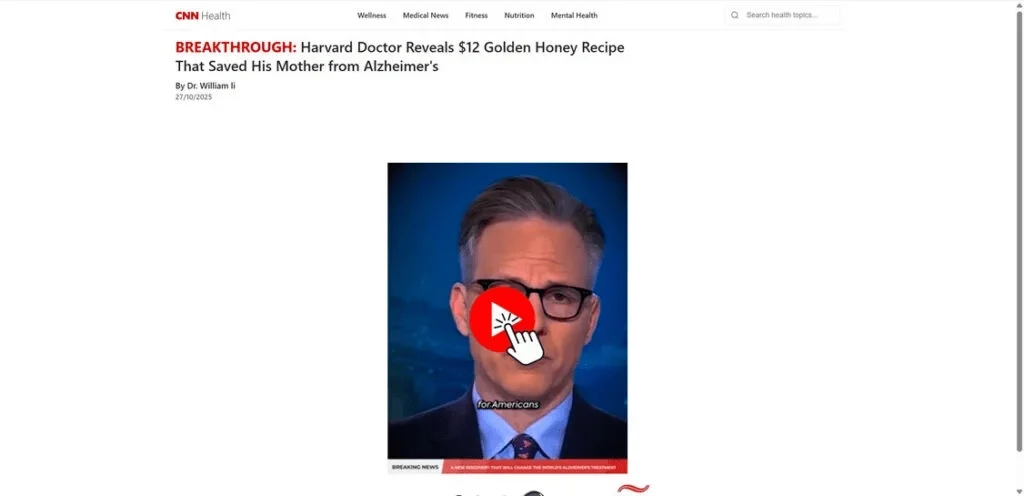
Scam Overview
The Bariatric Gelatin Trick scam is not really about gelatin.
It is a supplement funnel built around a viral recipe hook.
The ads usually claim that a special gelatin mixture can help people lose weight quickly by triggering fat-burning hormones, activating GLP-1, reducing cravings, or forcing the body into a “metabolism reset.”
The word “bariatric” is used to make the trick sound medical.
That is a major part of the manipulation.
“Bariatric” makes people think of weight loss surgery, doctors, clinical care, and serious medical treatment. But these ads usually have nothing to do with real bariatric medicine. They are using the word to create trust.
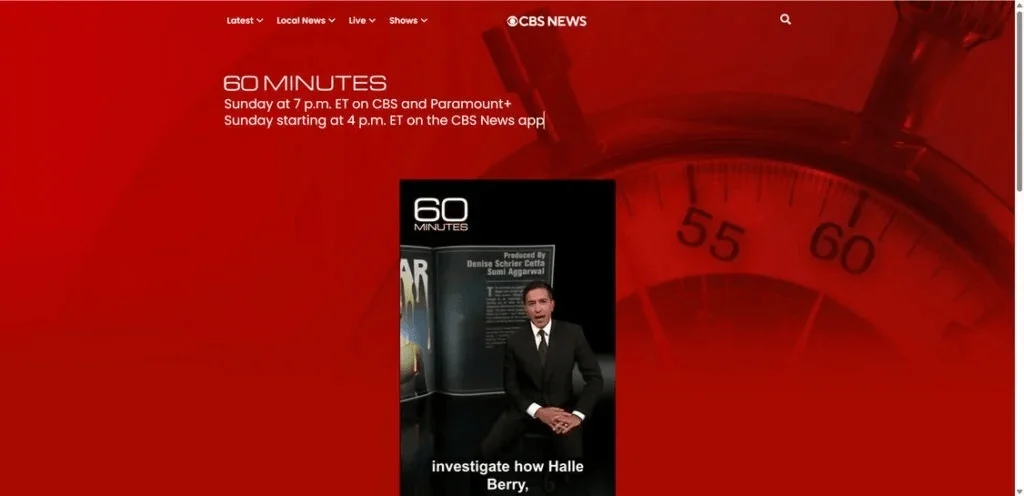
The recipe is bait
A real recipe would be easy to explain.
It would give you:
- ingredients
- measurements
- preparation steps
- timing
- safety warnings
- realistic expectations
These ads usually do the opposite.
They tease the recipe. They make you watch a long video. They claim the “secret” is coming soon. They repeat that doctors are shocked, the video may be removed, or the method was hidden from the public.
Then the real switch happens.
Instead of giving you a useful recipe, the page introduces a supplement.
It may be gummies, drops, capsules, keto pills, collagen formulas, or a product with a new trendy name. The product is framed as the “concentrated” version of the gelatin trick or the missing piece that makes the recipe work.
That is the bait-and-switch.
You clicked for a recipe.
You are pushed toward a bottle.
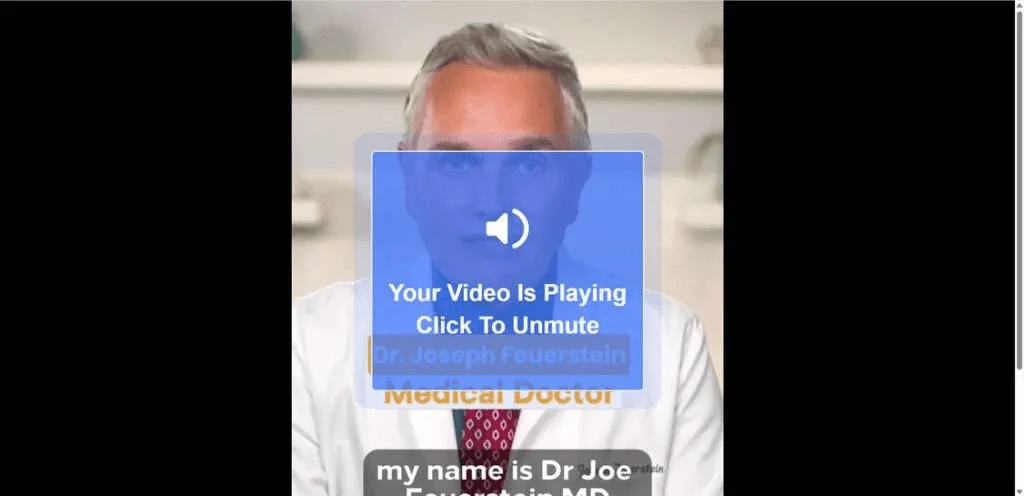
Fake endorsements are the credibility engine
The Bariatric Gelatin Trick scam often uses familiar names to make the pitch feel legitimate.
Jillian Michaels is one of the most commonly misused names in this type of ad. Her official site directly warns that fake videos are circulating with her image and voice promoting “Jelly Lean,” a “gelatin trick,” and weight loss gummies, and states that she did not make those ads. (Jillian Michaels)
Dr. Jennifer Ashton’s name has also been misused in weight loss gummy scams. Snopes previously rated claims that she endorsed keto or CBD gummies for weight loss as a scam. (Snopes)
This is how the scam works.
The ad does not need the product to be credible on its own. It borrows credibility from people viewers already recognize.
A familiar face makes the claim feel safer.
A doctor-style clip makes it feel medical.
A fitness expert’s name makes it feel practical.
But a celebrity image is not proof. A voice that sounds real is not proof. A short video clip is not proof.
AI videos make the scam harder to spot
Modern versions of this scam often use AI-generated voices, edited clips, or deepfake-style videos.
The mouth movements may look close enough. The voice may sound convincing. The clip may appear to come from an interview, podcast, health show, or news segment.
That is why people get pulled in.
The FTC warns that scammers use fake celebrity and influencer endorsements, including doctored video and audio that can seem real.
That warning applies directly to the Bariatric Gelatin Trick ads.
If a video claims Jillian Michaels, Dr. Jennifer Ashton, Oprah, Dr. Oz, or another public figure revealed a gelatin trick, pause before trusting it.
Search the person’s official website or verified social media. If the endorsement is not there, assume the ad is misleading.
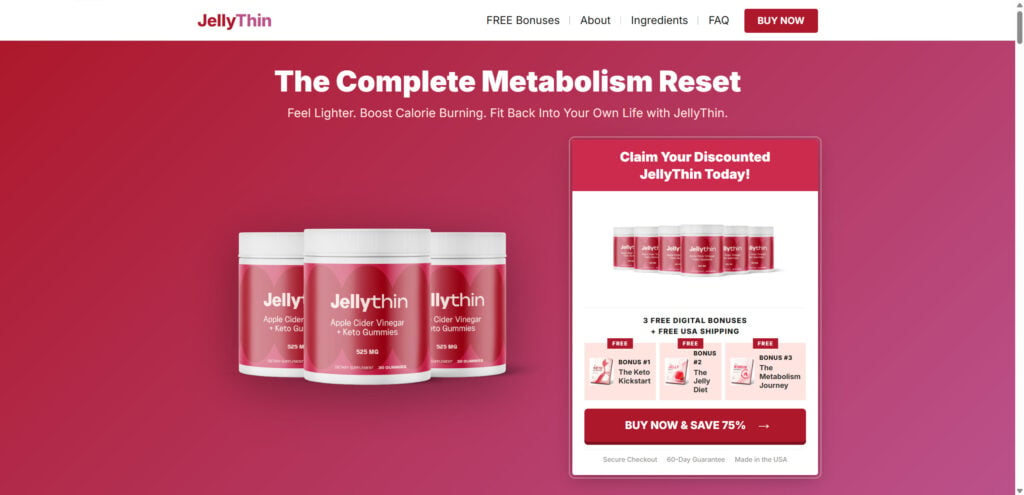
The weight loss claims are unrealistic
The ads often make claims like:
- lose weight without dieting
- burn belly fat while sleeping
- activate GLP-1 naturally
- melt fat with one gelatin cube
- reset metabolism overnight
- lose pounds per day
- work even if nothing else has
These claims are not realistic.
Gelatin is a normal food ingredient. Collagen is a protein. Neither one magically forces the body into extreme fat-burning mode.
The FTC warns that weight loss ads promising effortless results, results without lifestyle changes, or products that work for everyone are classic red flags.
Real weight loss is not controlled by one recipe.
It depends on calorie intake, food quality, activity, sleep, stress, hormones, medical history, medications, and long-term consistency.
A supplement funnel cannot bypass all of that.
“Natural” does not mean safe
The product page may use soft, reassuring language.
You may see phrases like:
- natural ingredients
- doctor recommended
- clinically tested
- made in the USA
- GMP certified
- FDA registered facility
- safe and gentle
- no side effects
These phrases are designed to reduce hesitation.
They do not prove the product works.
They do not prove the celebrity endorsement is real.
They do not prove the ingredient list is complete or safe.
The FDA maintains warnings about weight loss products found to contain hidden drug ingredients, including products marketed as supplements. (U.S. Food and Drug Administration)
That matters because scam-style supplement funnels often rely on the word “natural” to make buyers feel protected.
But “natural” is not the same as tested, safe, or effective.
The checkout can be the real trap
Many victims do not just complain that the product failed.
They complain about the purchase process.
Common problems include:
- being charged for more bottles than expected
- hidden shipping fees
- confusing bundle offers
- upsells that look like required steps
- “free bottle” language that increases the total
- recurring refill subscriptions
- vague merchant names on bank statements
- slow or unhelpful customer support
- refunds that are difficult to obtain
This is why the Bariatric Gelatin Trick scam is more than bad health advice.
It can become a billing problem.
The ad gets your attention with a recipe. The video builds trust with fake endorsements. The checkout extracts money through urgency, bundles, and unclear terms.
How The Scam Works
Step 1: A viral ad stops your scroll
The scam usually starts with a short video ad on Facebook, Instagram, TikTok, YouTube, or a random website.
The ad may say:
- “Bariatric gelatin trick melts fat”
- “Jillian Michaels reveals the gelatin method”
- “Dr. Jennifer Ashton explains this recipe”
- “Eat one cube daily”
- “No diet or exercise needed”
- “Watch before this is removed”
The goal is to stop you long enough to click.
The ad does not need to prove anything yet. It only needs to create curiosity.
Step 2: A trusted name creates instant credibility
Once the ad has your attention, it adds a familiar person.
That might be a fitness personality, a TV doctor, a celebrity, or a fake news anchor.
The purpose is simple.
The scam wants you to think:
“If this person is connected to it, maybe it works.”
That is the trust shortcut.
The endorsement does not need to be real. It only needs to feel real for a few seconds.
Step 3: The video makes the claim feel scientific
Next, the video introduces medical-sounding terms.
It may mention:
- GLP-1
- GIP
- collagen
- gelatin
- appetite hormones
- metabolism reset
- fat-burning mode
- insulin resistance
- stubborn belly fat
Some of these are real health terms.
But the scam uses them loosely to make a simple supplement sound advanced.
This is a common tactic: take real scientific language, strip away the complexity, then attach it to a product claim that has not been proven.
Step 4: The “bariatric” label creates false authority
The word “bariatric” is doing heavy lifting.
It suggests that the trick is connected to real medical weight loss care.
But the ad rarely shows real clinical proof, real bariatric doctors, real published studies on the exact product, or clear safety guidance.
The word is used as a credibility shortcut.
It makes the recipe sound clinical without proving anything.
Step 5: The recipe keeps getting delayed
This is one of the biggest signs you are inside a funnel.
The video promises a simple recipe, but it does not give it clearly.
Instead, it says:
- “Watch this first”
- “You need to understand why this works”
- “This method was hidden”
- “Do not try it until you see this”
- “The exact formula is revealed soon”
The delay is intentional.
If the recipe were the real point, it would be shown quickly.
The longer you watch, the more likely you are to trust the pitch and buy the product.
Step 6: The supplement appears
After enough suspense, the page introduces a product.
It may be called:
- weight loss gummies
- gelatin gummies
- keto capsules
- collagen drops
- metabolism pills
- natural GLP-1 support
- fat-burning formula
The product name can change.
The funnel stays the same.
This is the switch.
The recipe was only used to pull you in.
Step 7: The offer uses urgency
The page may show:
- countdown timers
- limited stock warnings
- discount ends today messages
- recent purchase popups
- people watching now counters
- low inventory alerts
These are pressure tools.
They are designed to stop you from searching reviews, checking the celebrity claim, or reading the terms.
Step 8: Bundles increase the order size
Most of these pages push multiple bottles.
The offer usually looks like:
- 1 bottle at a high price
- 3 bottles as the popular option
- 6 bottles as the best value
The larger package is made to feel like the smart choice.
But if the ad is built on fake endorsements and exaggerated claims, buying more only increases your risk.
Step 9: Checkout terms may create unwanted charges
This is where many buyers get trapped.
The checkout may include:
- pre-selected quantities
- add-ons
- hidden shipping fees
- upsells after entering payment details
- refill subscription terms
- unclear cancellation rules
A buyer may think they made a one-time purchase.
Then another charge appears weeks later.
Step 10: Refunds become difficult
After payment, customer support may become frustrating.
Common issues include:
- slow email replies
- no clear phone support
- vague return instructions
- strict refund windows
- partial refund offers
- cancellation requests ignored
- continued rebilling
This is why many people describe these offers as easy to buy but hard to escape.
What To Do If You Bought From This Scam
1) Save evidence immediately
Take screenshots of:
- the ad
- the video page
- the landing page
- the product page
- the checkout total
- the terms and conditions
- your confirmation email
- your bank or card statement
Do this quickly because scam pages often change or disappear.
2) Check what you were charged
Compare the advertised price with your statement.
Look for:
- higher totals than expected
- duplicate charges
- split charges
- hidden shipping fees
- unfamiliar merchant names
3) Search for subscription language
Check your confirmation email and seller terms for words like:
- autoship
- subscription
- membership
- monthly
- refill
- continuity
- next shipment
If you see these words, act quickly.
4) Cancel in writing
Email the seller and clearly state:
- your full name
- the email used for the order
- your order number
- cancel any subscription
- stop all future charges
- send written confirmation
Keep the email as proof.
Do not rely only on phone calls.
5) Contact your bank or card issuer
If the charge looks wrong or repeat billing appears, contact your card provider.
Ask about:
- disputing the charge
- blocking future charges
- replacing the card if needed
- documenting the transaction as deceptive or unauthorized
Do not wait if another charge appears.
6) Monitor your statement for at least 60 days
Watch for:
- monthly refill charges
- small test charges
- new merchant names
- shipping fees
- duplicate billing
Some rebills appear weeks later.
7) Stop using the product if you feel unwell
If you took the supplement and felt side effects, stop using it and seek medical guidance.
This is especially important if you have:
- heart disease
- high blood pressure
- diabetes
- kidney disease
- liver disease
- anxiety or stimulant sensitivity
- prescription medication use
8) Report the ad
Report the ad on the platform where you saw it.
Use categories like:
- scam
- fake endorsement
- impersonation
- misleading health claim
- AI-generated deception
- suspicious supplement
The Bottom Line
The Bariatric Gelatin Trick scam is not a real medical breakthrough.
It is usually a deceptive supplement funnel that uses a “simple recipe” hook, fake celebrity endorsements, AI-style videos, and unrealistic weight loss claims to sell gummies, pills, drops, or capsules.
The strongest warning signs are clear: fake Jillian Michaels or Dr. Jennifer Ashton-style endorsements, “no diet or exercise” claims, GLP-1 buzzwords, long videos that never give the recipe, countdown timers, bundle pressure, and possible refill subscriptions.
If you already bought, focus on protection now. Save evidence, cancel in writing, monitor your statement, and contact your card issuer if charges look deceptive.
FAQ
What is the Bariatric Gelatin Trick scam?
It is a weight loss supplement funnel that teases a “bariatric gelatin recipe” as a simple fat-burning trick, then redirects people toward gummies, pills, drops, or other supplements.
Is there a real Bariatric Gelatin Trick recipe?
No reliable recipe is usually provided. The “recipe” is mostly used as bait to keep people watching before the sales pitch begins.
Did Jillian Michaels endorse the Bariatric Gelatin Trick?
No credible evidence shows Jillian Michaels endorsed these gelatin trick supplements. Her name and likeness are commonly misused in AI-style weight loss ads.
Did Dr. Jennifer Ashton endorse these supplements?
No credible evidence shows Dr. Jennifer Ashton endorsed these products. Scammers often use fake doctor clips or edited images to create false trust.
Why do the ads use the word “bariatric”?
The word “bariatric” makes the trick sound medical and clinically backed. In these ads, it is usually used as a trust shortcut, not proof.
Can gelatin cause rapid weight loss?
No. Gelatin is a normal food ingredient and protein source. It does not melt fat, reset metabolism overnight, or activate dramatic weight loss by itself.
Why do these ads mention GLP-1?
They use GLP-1 buzzwords to make the supplement sound connected to real weight loss medicine. That does not mean the product works like prescription treatment.
What are the biggest red flags?
Fake celebrity endorsements, AI-generated videos, “no diet or exercise” claims, countdown timers, vague science language, and checkout pages pushing multi-bottle bundles.
Can these scams cause unwanted charges?
Yes. Buyers may face upsells, hidden shipping fees, higher-than-expected totals, or recurring refill subscriptions that are hard to cancel.
What should I do if I already bought?
Save screenshots and receipts, check for subscription terms, email the seller to cancel in writing, monitor your card statement, and contact your bank if charges look wrong.








