

As Bed Bath & Beyond navigates bankruptcy and store closures, deceptive websites impersonating the brand have emerged to take advantage of the situation. Scam websites with names like “Bed Bath Clearance Store” are claiming to sell the retailer’s merchandise at steep liquidation discounts, but it’s all an elaborate ruse to steal money and data from customers. This insidious scam is already deceiving countless shoppers who believe they are getting unbelievable deals on the brand’s products.
This article will uncover the manipulative tricks these fake Bed Bath & Beyond websites use to exploit unknowing shoppers. We will outline exactly how the scam operates, provide tips to help you detect and avoid these fraudulent sites, and offer guidance on what to do if you fell victim to protect yourself.
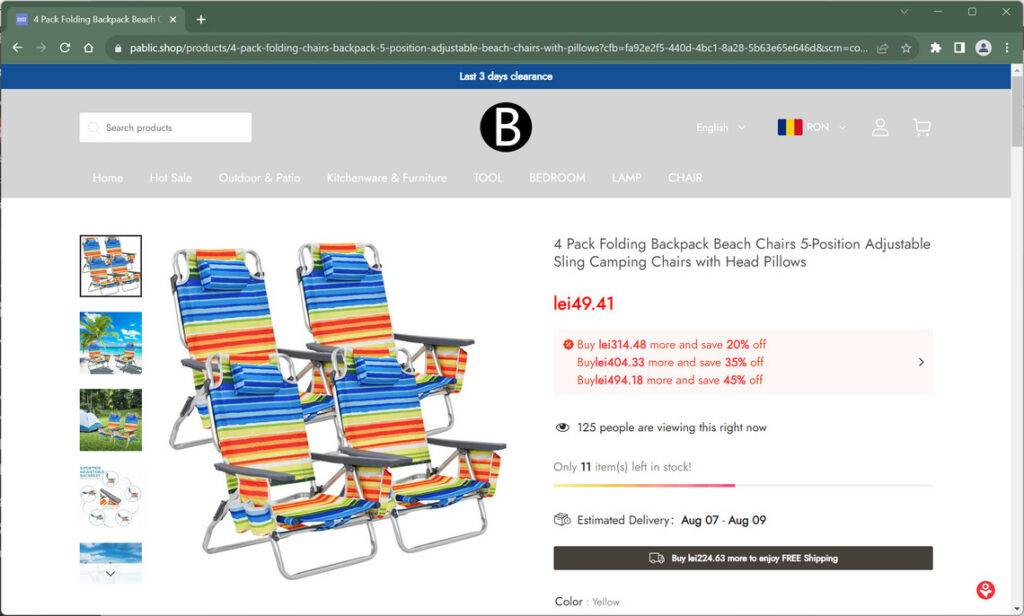
Uncovering the Disturbing Rise of Fake Bed Bath & Beyond Websites
The “Bed Bath Clearance Store” scam refers to the explosion of sophisticated fraudulent websites impersonating major retailer Bed Bath & Beyond in order to deceive and exploit customers.
These elaborate phishing scams specifically target Bed Bath & Beyond due to their recognizable brand name combined with the real retailer’s recent bankruptcy and impending store closures. The criminals behind these sites are capitalizing on the news to fool anxious shoppers seeking liquidation deals.
The primary objective of these fake “Bed Bath & Beyond closing” websites is to trick customers into entering personal and payment information during checkout. The scammers then harvest this sensitive data to commit identity theft, payment fraud, and resell the stolen information illegally on the dark web.
Despite sending confirmation emails with fake tracking numbers, absolutely no legitimate products are ever shipped to victims who place orders on these scam sites. The criminals have no intent to fulfill any purchases, only to steal funds and information.
How the Fake “Bed Bath Clearance Store” Scam Works
The criminals operating the “Bed Bath Clearance Store” scam websites employ various deceitful techniques to trick unwitting shoppers. They design the scam sites to precisely imitate the look and feel of the real BedBathandBeyond.com, from incorporating the official branding, logos and product imagery down to copying the website layout and menus.
These fraudulent sites falsely claim that due to bankruptcy, Bed Bath & Beyond is permanently closing all remaining brick-and-mortar stores and liquidating all merchandise at steep discounts of 40-90% off normal prices. The scam pages showcase drastically reduced prices compared to actual rates. They also use ticking countdown timers to pressure shoppers into purchasing the deals before the supposed limited-time sales expire.
During the checkout process, the scam sites harvest customers’ personal and payment data for identity theft and financial fraud purposes. After purchase, victims receive an order confirmation email with a fake tracking number, but the promised order is never fulfilled or shipped. Any attempt to contact the scam website about the missing order is met with silence, disconnected phone numbers, and ignored messages. No refunds are provided.
By weaponizing the trusted Bed Bath & Beyond brand and deceiving customers with fake liquidation sales and deep discounts, the criminals behind these websites seamlessly siphon money from unsuspecting shoppers.
Warning Signs of “Bed Bath Clearance Store” Scam Sites
Although the Bed Bath Clearance Store scam websites promote convincing closing sales, they generally exhibit these red flags:
- Claims of store closings and liquidations with no verifiable proof of authorization from the real company.
- Advertising prices far below reasonable liquidation sale discounts, like 90% off.
- Use of countdown timers, limited quantities, or other scarcity pressures to compel quick purchases.
- URLs that differ slightly from the real BedBathandBeyond.com site, often with extra words.
- Complete lack of legitimate contact information like working phone numbers.
- No established social media ties predating the bankruptcy and closure announcements.
- Offering an overly broad product selection unlikely for a winding down retailer.
- No order shipping confirmation emails from real carriers after checkout completion.
Carefully looking for these signs of a scam can help you avoid being deceived before making a purchase.
Avoiding Bed Bath Clearance Store Scam Website Risks
You can protect yourself from the Bed Bath Clearance Store scam sites by taking the following precautions:
- Only use the official BedBathandBeyond.com website for purchases. Avoid any third-party domains.
- Verify any liquidation sales by calling local stores to confirm legitimacy before acting.
- Analyze sites for the red flags outlined above to identify fraudulent websites impersonating the brand.
- Never pay using unsecure methods like wire transfer, gift cards, or cryptocurrency. Only use credit cards.
- Read online reviews to gauge experiences from other shoppers before purchasing from unfamiliar sites.
- Trust your instincts – if an offer seems fake, or a website looks questionable, avoid the risk.
Sticking to trusted channels and being wary of unbelievable deals prevents you from being scammed.
What to Do If You Already Shared Information With a Scam Site
If you unfortunately already provided personal or payment details to a Bed Bath & Beyond scam website, promptly take these steps:
- Contact your bank/credit card provider to flag the charges as fraudulent so they can be contested. Cancel any compromised cards.
- Place an initial 90-day fraud alert on your credit file with one of the three credit bureaus.
- Monitor your credit reports closely for any signs of new accounts opened fraudulently in your name.
- Change the password on your Bed Bath & Beyond account, email account, and any others that may have reused the same credentials.
- Report the scam to the FTC and IC3 to aid law enforcement in pursuing these frauds.
- Use the incident as a valuable lesson to be more vigilant against online scams going forward.
Acting quickly helps limit any potential damages from stolen personal and financial information used illegally. Do not let embarrassment prevent you from taking steps to protect yourself after the fact.
Why Bed Bath & Beyond Scams Are So Deceptive
Some reasons these phishing scams successfully dupe many shoppers include:
- Bed Bath & Beyond is a well-known and trusted national retail brand, making the premise believable.
- Huge liquidation discounts of 40-90% excite bargain hunters into urgent purchases.
- Countdown timers and limited stock claims produce false scarcity and compel fast action.
- Official logos and images are stolen to initially appear as the real site.
- Shoppers do not expect liquidations to require formal announcements if a retailer is bankrupt.
- Strong motivation to take advantage of deals for needed home items.
Recognizing these psychological tricks and manipulation tactics makes identifying scams faster. Verify real sales on the official company website before trusting third-party claims.
FAQs About the Bed Bath Clearance Store Scam
Is Bed Bath & Beyond really closing all its stores permanently?
Yes, the company filed for bankruptcy and announced remaining locations will close. However, liquidation deals should only be trusted from authorized channels.
How can I confirm a website is really tied to Bed Bath & Beyond?
The real domain is BedBathandBeyond.com. Fake sites use slight spelling changes or add extra words. Verify the URL matches exactly.
Is it illegal to purchase counterfeit goods from the scam websites?
Yes, knowingly purchasing counterfeit trademarked items is illegal and helps fund more scam sites that harm innocent victims.
What should I do if I already provided my information to a scam site?
Immediately contact your bank/credit card company about fraudulent charges. Place fraud alerts on your credit, change account passwords, monitor your credit reports closely, and file complaints with the FTC and IC3.
How can I safely shop the real closing liquidation sales?
Only shop sales advertised on the BedBathandBeyond.com website. Verify any in-store liquidation events by calling local stores before trusting third-party sites.
The Bottom Line
Websites promoting Bed Bath & Beyond liquidation sales, huge discounts, or store closings without verifiable authorization are always fraudulent and should be avoided. They intend only to scam shoppers out of money and steal personal data. Protect yourself by carefully analyzing site details and verifying sales on the real company website before purchasing. Never provide payment or sensitive information to unfamiliar third-party sites exhibiting warning signs of a scam. Exercise caution to steer clear of these prevalent scams during the Bed Bath & Beyond bankruptcy and closure process.








