

The internet has become the dominant venue for shopping and commerce. But unfortunately, the rise of e-commerce has also created opportunities for scammers to take advantage of consumers through fraudulent websites. One prolific scam network uses the email address Service@contactus24h.com on numerous sham shopping sites to rip off customers.
This article will examine how these Service@contactus24h.com scam stores operate, what happens when you purchase from them, and how to detect and avoid them yourself. Being an informed online shopper is key to protecting your money and information.
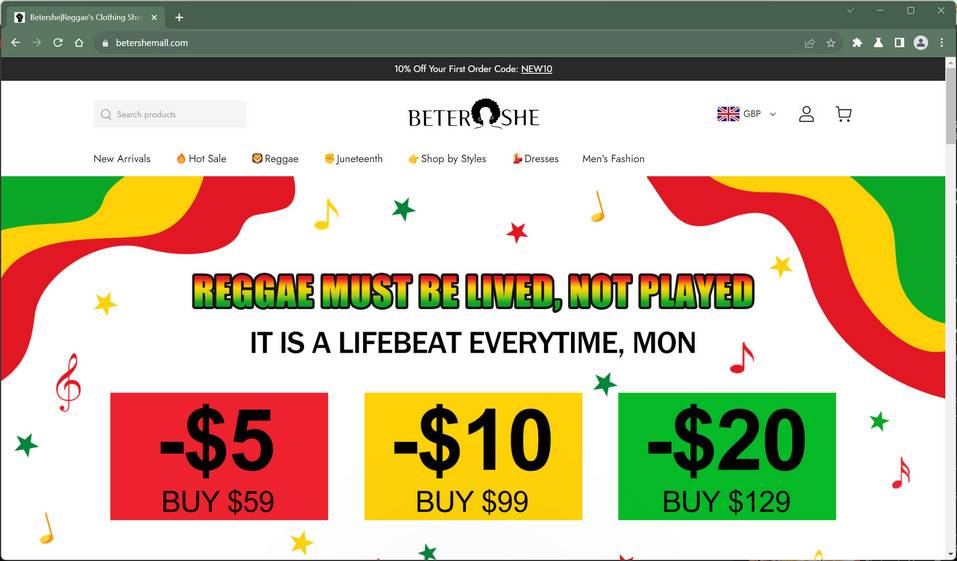
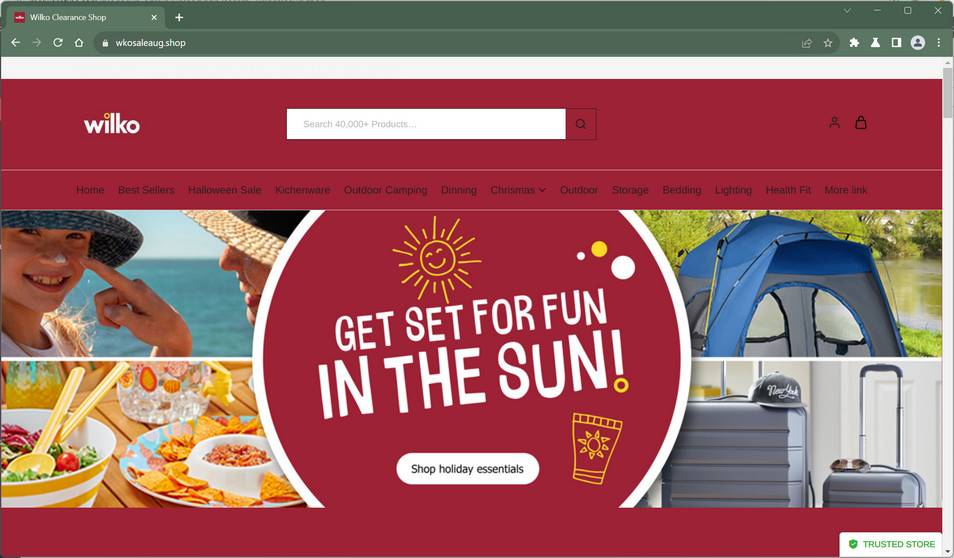
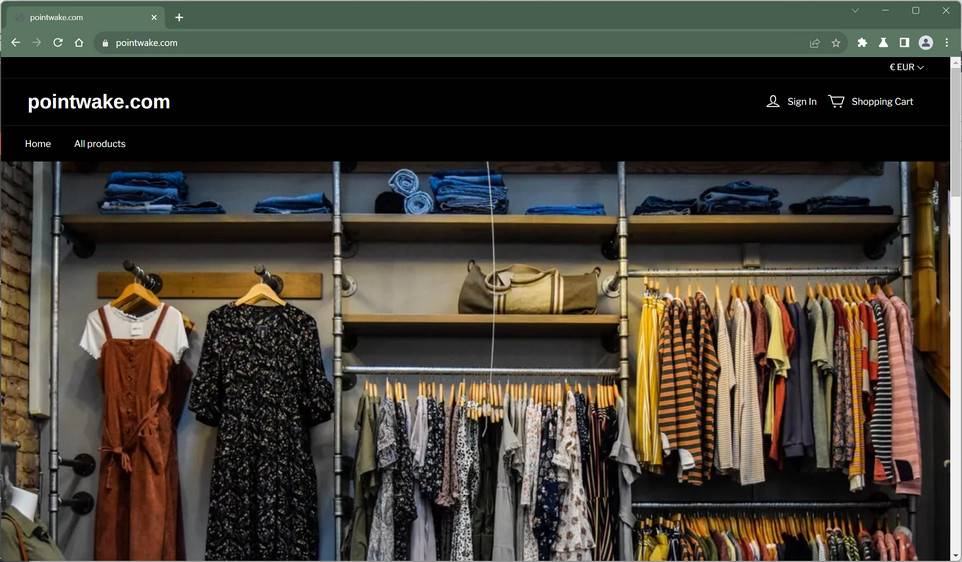
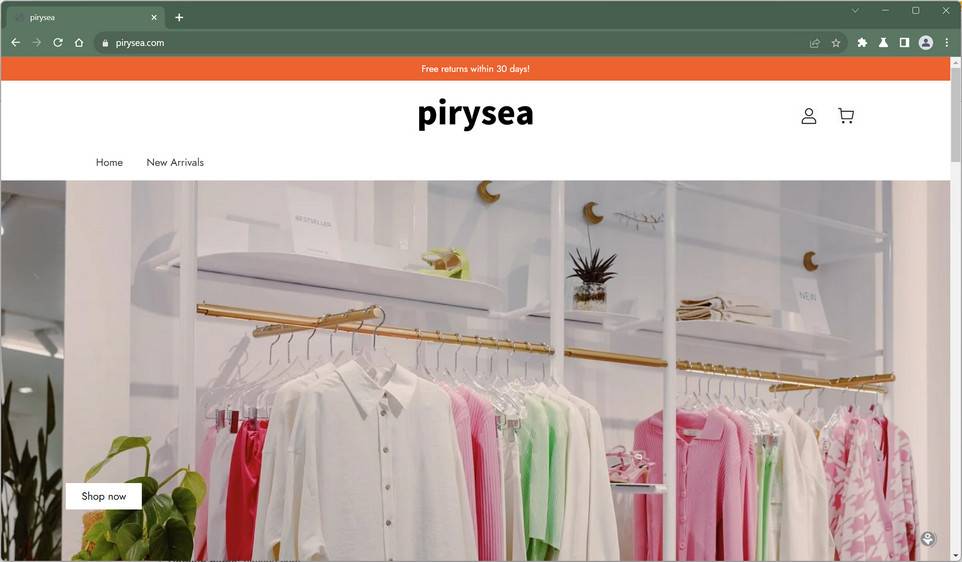
Overview of the Service@contactus24h.com Scam Shopping Websites
An interconnected web of fake retail websites, many listing Service@contactus24h.com as a contact email, has emerged to defraud online shoppers. These sites often impersonate legitimate popular brands and stores to appear trustworthy.
They use stolen logos, web layouts, and product imagery to confuse visitors. To drive traffic to their sites, they utilize paid ads on social platforms like Facebook and Instagram.
Once lured in and purchases are made, customers never receive their orders. If any products do arrive, they are cheap counterfeits or used items very different than described. The scammers simply pocket the payments and disappear, leaving victims with losses.
How the Service@contactus24h.com Scam Stores Fool Shoppers
These fraudulent sites leverage a variety of deceitful tricks to seem legitimate and hide their true intent. Some of the manipulative techniques include:
- Official-looking branding, logos, and website templates copied from popular retailers
- Images and product descriptions completely stolen from authentic sites
- Fake discounts up to 90% off used as psychological triggers to encourage purchases
- Phony ads on social media platforms like Facebook and Instagram to drive traffic
- No customer service phone number, physical address, or live contact options
- Service@contactus24h.com listed deceptively as a contact email address
- Plagiarized legal pages like Terms of Service and Privacy Policies
Together these multiple layers of deception work to dupe visitors into believing they are on a real shopping site. However, it quickly becomes clear after checkout that fraud has taken place.
What Happens When You Buy From Service@contactus24h.com Scam Sites
Those unfortunate enough to purchase from these fake shopping websites experience a variety of negative outcomes, including:
- No order fulfillment whatsoever – The most common result, with zero items ever shipped.
- Knock-off, inferior quality merchandise – Any products sent are cheap, poor substitutes.
- Used, damaged, or tampered goods – Shoppers may receive items clearly used or broken.
- Completely incorrect orders – Random products are sent rather than what was ordered.
- Compromised personal and financial data – All info entered gets stolen, including names, addresses, credit card details, etc.
- No recourse for issues – With no legitimate contact info, victims cannot get any customer support.
Essentially once these scam stores collect payments, customers are left with losses and vulnerable data with no path for resolution.
How to Recognize and Avoid Service@contactus24h.com Scam Sites
Despite the convincing facades these fraud websites erect, there are key signs to recognize them for what they are:
- Verify the URL matches legitimate brands – Scam sites use slight variations.
- Research suspiciously big discounts up to 90% off.
- Assess site quality – Poor designs, grammar, and odd details are red flags.
- Check for a real physical address and customer service options like phone and live chat.
- Review other sites for feedback – Scams won’t have authentic reviews anywhere.
- Confirm secure checkout and clear terms of use.
- Avoid purchasing from sites listing Service@contactus24h.com as a contact.
Exercising caution and verifying legitimacy are crucial protective steps before providing any sensitive data or payments. Stick to retailers you know and trust.
What to Do if Scammed by a Service@contactus24h.com Website
If you unfortunately placed an order with a Service@contactus24h.com scam website, immediately take these actions to limit damages:
- Contact your bank and credit card companies to halt payments and reverse any possible charges. Act fast before the money is laundered.
- Report the scam website to authorities and consumer protection sites to hopefully get the site shut down sooner.
- Monitor your credit reports closely for any signs of identity theft from compromised information.
- Change passwords on all online accounts as a security precaution.
- Avoid any unsolicited contacts claiming they can recover lost money, as these are likely also scammers.
- Use your experience as motivation to be extra vigilant about scam awareness when shopping online going forward.
While falling victim to these convincing scam websites can be disheartening, acting quickly and learning from it can help protect yourself in the future. Always exercise maximum caution when shopping online.
Frequently Asked Questions about the Service@contactus24h.com Scam Sites
What is the Service@contactus24h.com scam?
This scam involves fake shopping websites that use the email address Service@contactus24h.com as their provided contact information. These sham sites advertise major discounts on electronics, clothes, shoes, and more to lure in victims. After taking payments, no orders are ever fulfilled.
Who is behind these fake sites?
Research indicates these fraudulent sites originate from a large criminal operation based in China that manages a network of hundreds of scam online shopping websites. This gives them scale to defraud thousands globally.
How do I recognize one of these scam sites?
Warning signs include prices discounted up to 90%, contact emails using Service@contactus24h.com, no real customer service number, vague physical address, missing social media links, and skimpy About Us/Policies pages.
What happens if I order from one of these scam sites?
Most likely you will never receive any products ordered. In rarer cases, victims receive inferior knock-offs made with poor quality materials weeks later. Either way, your financial and personal data is compromised.
Can I get my money back if I’m scammed?
You should immediately file a fraud report with your bank or credit card company. However, the chances of recovering payments decrease the longer you wait. These scammers launder funds quickly to avoid reversals.
Is Service@contactus24h.com a real company?
No, this email address is not associated with any legitimate business. Scammers use it to create a veneer of authenticity on their network of fake retail websites. All communication routes only back to the criminals.
Are these scammers ever caught by authorities?
Very rarely, as many operate out of countries with loose ecommerce laws. The sheer volume of fake sites also makes enforcement difficult. Consumers’ best protection is proactively identifying and avoiding these scam sites.
How can I avoid these scam websites in the future?
Only shop on sites you have researched thoroughly first and verified are legitimate retailers. Check site details, policies, reviews, addresses, and social media links for any red flags. Avoid unfamiliar sites offering steep discounts advertising through social media ads or email spam.
What should I do if scammed already?
Immediately call your bank to dispute the charges and monitor your credit reports for signs of identity theft. Change any passwords exposed and beware of recovery scammers contacting you. Report the site to authoritative reporting platforms to get it shut down faster.
Conclusion
The Service@contactus24h.com scam shopping websites prove online commerce still has dark sides customers need to stay guarded against. By mimicking legitimate brands and deceiving visitors, these fraudulent stores have stolen hard-earned money and compromised data from many victims.
Safeguarding yourself requires carefully validating site details, watching for red flags, and avoiding unauthorized retailers listing Service@contactus24h.com as a contact. Only shop with businesses you can fully confirm the legitimacy of. Stay vigilant and informed to protect your finances and identity when shopping online.

Join the discussion
0 commentsShare your experience or ask a question about this article.
Discussion
Start the conversation
Have a question or something useful to share? Add the first comment.