

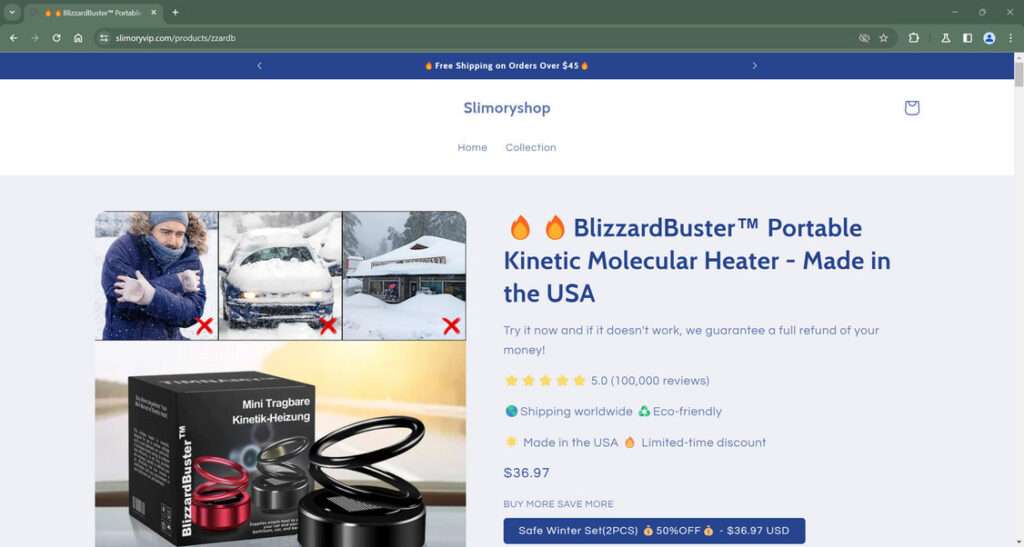
As winter weather arrives, a deceptive scam has emerged aggressively targeting vulnerable consumers with claims of revolutionary heating technology able to instantaneously melt snow. Slick advertisements promote a device called the BlizzardBuster Portable Kinetic Molecular Heater that supposedly leverages kinetic energy to provide robust heating and snow/ice removal. However, investigation reveals this heavily marketed product is merely a cheap $1 air freshener fraudulently sold for up to $90 each. Read on to uncover how this bait-and-switch scam works and how to avoid getting ripped off.
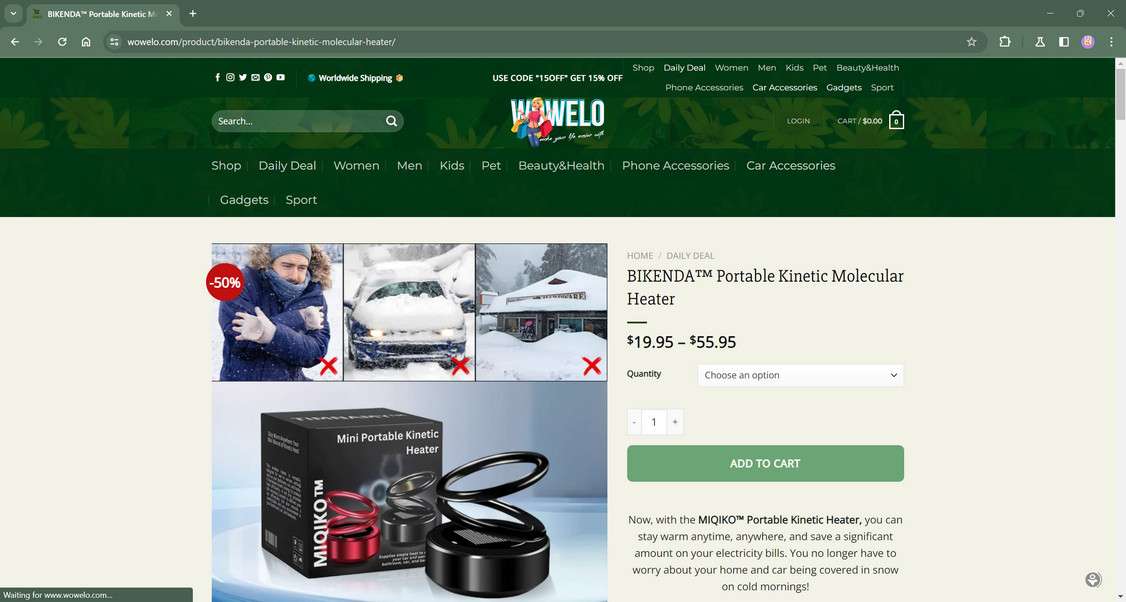
Overview of the BlizzardBuster Portable Kinetic Molecular Heater Scam
A widespread scam circulating online features aggressive ads across social media heavily promoting a supposed revolutionary home heating and snow melting technology called the BlizzardBuster Portable Kinetic Molecular Heater.
These compelling ads claim this small plastic device harnesses proprietary kinetic energy conversion designed by NASA to generate targeted molecular vibrations that heat spaces and melt snow instantly.
Ads Tout NASA Designed Tech That “Melts Snow in Minutes”
For example, an ad states “The incredible BlizzardBuster device uses patented NASA tech to create molecular vibrations that heat your entire house to 72°F and melt snow in just minutes!”
Device is Actually a Cheap $1 Air Freshener
However, investigation by consumer protection advocates reveals the heavily hyped BlizzardBuster device is outright fraud.
In reality, the actual product itself is nothing but a generic dollar-store air freshener purchased in bulk from Chinese sites like Alibaba for only pennies per piece.
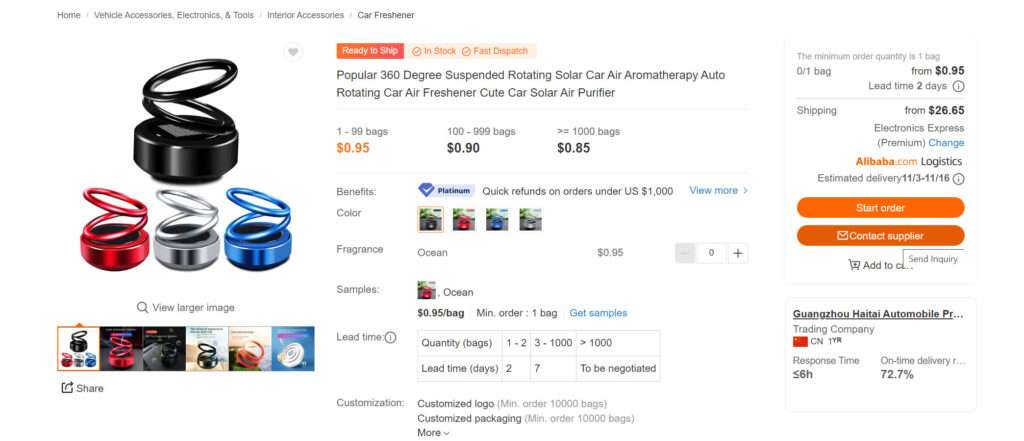
Scammers Repackage and Resell Fresheners as Heating Tech
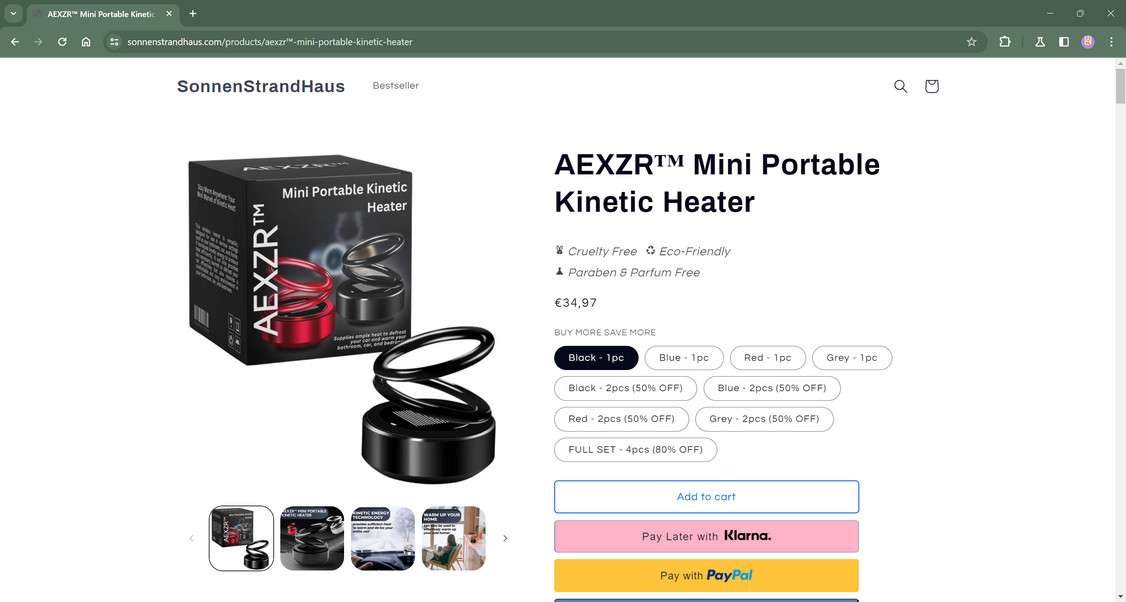
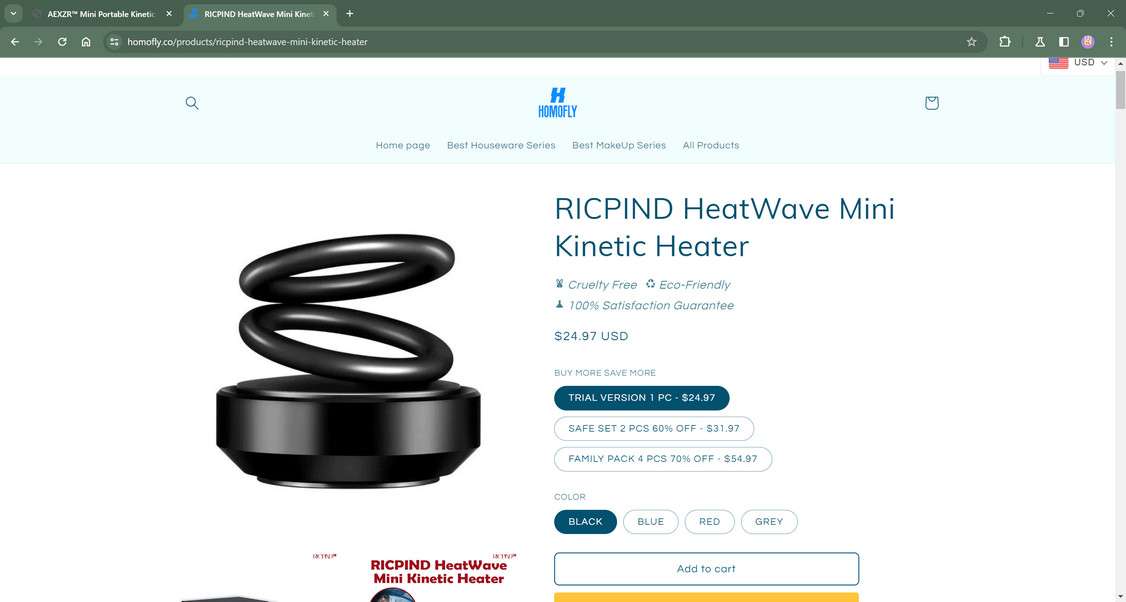
The crafty scammers behind BlizzardBuster take these cheap car fresheners costing a dollar or less and creatively repackage them in professional BlizzardBuster branded packing and marketing materials.
This complete deception makes the near-worthless air fresheners appear to be futuristic molecular heating and snow melting instruments to unsuspecting customers.
Customers Get Ripped Off Paying Wildly Inflated Prices
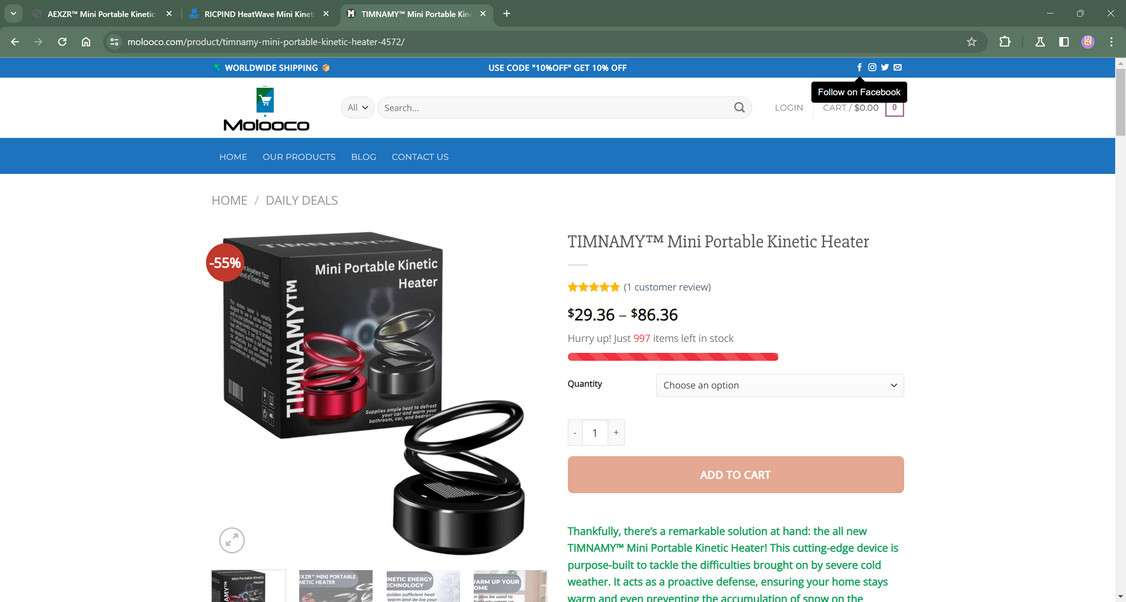
Deceived consumers purchase these disguised dollar-store air fresheners at outrageously inflated prices typically ranging from $24.99 to $89.99 each.
The slick marketing successfully dupes them into believing they acquired an advanced kinetic energy heater.
Scammers Pocket Massive Profits From This Bait-and-Switch Tactic
This deliberate bait-and-switch deceit allows the BlizzardBuster scammers to reap huge profit margins off exploited victims by leveraging exaggeration and false scarcity claims.
In summary, exercise skepticism regarding sensational claims about cheap air fresheners heating homes and melting snow. Let critical thinking outweigh hype.
How the BlizzardBuster Portable Kinetic Molecular Heater Scam Operates
The BlizzardBuster scam utilizes an intricate process to deceive consumers motivated by the promise of effortless warmth and snow removal. Here is how it works:
1. Create Slick Websites and Social Media Ads
First, scammers design polished website and social media ads promoting the BlizzardBuster device. These contain persuasion tactics and unrealistic claims like “emits kinetic molecular vibrations that melt snow instantly.”
2. Make Exaggerated Claims
The ads assert BlizzardBuster uses proprietary NASA-designed technology to convert kinetic energy into targeted molecular movement that heats spaces to 72°F and eliminates frozen precipitation. These wild claims target desperate consumers.
3. Purchase Generic $1 Air Fresheners
Meanwhile, the scammers purchase cheap generic car air fresheners in bulk orders from Chinese ecommerce sites for mere pennies per unit.
4. Disguise Fresheners as High-Tech Devices
They creatively package the nearly worthless fresheners in professional BlizzardBuster-branded boxes to disguise them as futuristic heating and snow-melting instruments.
5. Pressure Customers With Manipulative Tactics
Their websites create false urgency with countdown timers, limited supply warnings, and other manipulative tactics aimed to prevent scrutiny and drive impulse sales.
6. Sell Repackaged Fresheners at Severely Inflated Prices
Deceived customers purchase the $1 fresheners at outrageously inflated prices around $24.99 – $89.99 each, believing they acquired an advanced heating and snow removal technology.
7. Ignore Refund Requests
Angry customers who eventually realize it’s a useless plastic trinket find their refund requests ignored by the scammers to prevent reversing the fraudulent charges.
8. Constantly Shift to New Sites
As soon as a website gathers too many negative reviews and complaints, the scammers shift to a brand new site and repeat the process.
This systematic deception enables them to keep profiting from consumers desperately seeking protection from winter’s freezing temperatures and hazardous snow.
How to Identify the Deceptive BlizzardBuster Kinetic Heater Scam
The questionable BlizzardBuster Portable Kinetic Molecular Heater is promoted through various deceptive tactics across social media and sketchy websites. Here are tips for recognizing common red flags:
Wildly Exaggerated Claims
Ads and sites make improbable assertions that the device leverages “proprietary NASA kinetic energy conversion” and “targeted molecular vibrations” to heat spaces to 72°F and melt snow instantly. These bizarre claims should provoke skepticism.
Fake Dramatic Images
Promotional materials feature doctored before-and-after images seeming to show the plastic device clearing feet of snow from roofs or windshields in minutes. In reality, these are manipulated stock photos.
Deceptive Reviews
Glowing testimonials with vague descriptions like “It melted all the snow off my roof!” provide no specifics and appear completely fabricated.
Pressuring Sales Tactics
Aggressive language about “limited units!” and “sale ending soon!” aim to prevent critical scrutiny and drive impulse purchases.
Lack of Technical Details
No concrete details are provided on exactly how kinetic energy gets converted into heat or how atoms are supposedly vibrated. Lots of technobabble but no real science.
Refusal of Returns
Strict no refund policies prevent customers from returning the product after realizing it doesn’t work, a common scam tactic.
Hidden Company Details
No physical address or details about the manufacturers are given, only email addresses, obscuring who is behind the scam.
With awareness of these red flags, consumers can better recognize unacceptable risk and make informed decisions before purchasing unproven warming devices making outrageous claims. Investigate thoroughly and demand proof.
What To Do If You Already Purchased a BlizzardBuster Device
If you unfortunately fell victim already and bought one of these overpriced air fresheners masquerading as advanced heating tech, immediately take these steps:
1. Dispute the Charges
Contact your credit card company or payment provider to dispute the charge as fraudulent and request a chargeback refund. Act promptly before dispute rights expire.
2. Demand a Refund
Reach out to the scam merchant directly to demand an immediate and complete refund. Be persistent if they initially refuse or ignore requests.
3. Leave Online Reviews
Post detailed negative reviews about your experience to warn others. File complaints with the BBB, FTC, and consumer protection organizations.
4. Spread Awareness
Leverage social media to expose the deception. Contact platforms used like Facebook to report the scam ads. Reduce their reach.
5. Monitor Your Credit
Check your credit reports and statements to detect any signs of identity theft associated with the purchase. Consider a credit freeze if concerned.
6. Report Scam Websites
Submit the fraudulent website URLs to Google Safe Browsing, domain registrars, and cybercrime units to potentially get them taken down.
Though recouping losses requires tenacity, victims can take back control through proactive actions to stop ongoing harm and prevent future deception.
Frequently Asked Questions About the BlizzardBuster Kinetic Heater Scam
Given the questionable claims surrounding the BlizzardBuster Portable Kinetic Molecular Heater, many prudent consumers have pressing questions. Here are answers to some of the most common FAQs.
What exactly is the BlizzardBuster kinetic heater scam?
This scam deceitfully markets cheap $1 air fresheners purchased in bulk as high-tech heaters leveraging “proprietary kinetic energy conversion” to provide instant warmth and snow melting.
How does it allegedly provide instant heating and snow melting?
The deceptive ads claim the BlizzardBuster device harnesses NASA technology to produce targeted molecular vibrations that can heat any space to 72°F while “melting snow on contact”. This is patently false.
What proof exists it works as promoted?
Absolutely none. There are zero credible studies, prototypes, or real-world testing data validating the device leverages any specialized kinetic energy tech or molecular vibrations as claimed.
What are some clear warning signs of this scam?
Obvious red flags include exaggerated pseudo-scientific claims, pressure sales tactics, lack of address details, refusal to provide real proof, fake reviews and images, and constantly shifting domains whenever exposed.
Can this plastic device really provide instant heat and melt snow?
No. The product is nothing more than a cheap dollar-store air freshener. It possesses no actual capabilities to produce targeted molecular vibrations or convert kinetic energy into heat as deceptively claimed. It’s merely a decorative plastic trinket.
What should I do if I already purchased one?
Immediately contact your credit card issuer to dispute the charge as fraudulent. Report the deception to the FTC, BBB, and consumer protection agencies. Post warnings online detailing the scam to prevent other victims.
How can I avoid these scams in the future?
Apply critical thinking to claims that seem too good to be true. Research sellers thoroughly before purchasing. Watch for pressure tactics and emotional appeals. Demand transparent proof for remarkable claims. Make purchases based on facts over hype.
Carefully scrutinize purported breakthrough ads to avoid getting duped. Rely on impartial customer reviews and scientific evidence to make informed decisions and protect yourself.
The Bottom Line on the BlizzardBuster Heater Scam
In summary, exercise extreme caution regarding purported kinetic molecular heating devices like BlizzardBuster. Outrageous claims these cheap plastic air fresheners leverage proprietary technology to generate targeted molecular vibrations that heat spaces and melt snow are false.
No scientific proofs exist. The only evidence indicates a deliberate bait-and-switch scam repackaging nearly worthless $1 trinkets to deceive and exploit consumers desperate for warmth and snow removal solutions.
Approach promises of effortless heating and snow melting through futuristic tech with healthy skepticism. Let logic outweigh emotional appeals. Avoid limited time offers pressuring quick purchases without proper vetting.
In reality, no substitute exists for proven home heating systems and manual snow removal labor. These scams capitalize on desperation for easier solutions. Protect yourself through vigilance and making informed decisions. Don’t enable predatory winter scams to profit at your expense.

Join the discussion
0 commentsShare your experience or ask a question about this article.
Discussion
Start the conversation
Have a question or something useful to share? Add the first comment.