

If you’ve seen an ad claiming a “7-second mucus melting ritual” can clear your lungs and cure chronic respiratory problems almost overnight—you’re not alone. Promoted through exaggerated videos and questionable testimonials, this so-called miracle method is sold via lungreset.com, where a liquid supplement called Breathe is pushed as a fast-acting respiratory solution.
The ads claim it’s endorsed by “top respiratory expert” Elizabeth Moffett and supported by Harvard-level science. But there’s a serious problem: Elizabeth Moffett is a real doctor with no ties to this product, and the testimonials and videos promoting Breathe appear to be AI-generated, scripted, and scientifically unsupported.
In this comprehensive exposé, we’ll uncover how the scam operates, how it manipulates consumer trust, and how to protect yourself and others from misleading medical claims
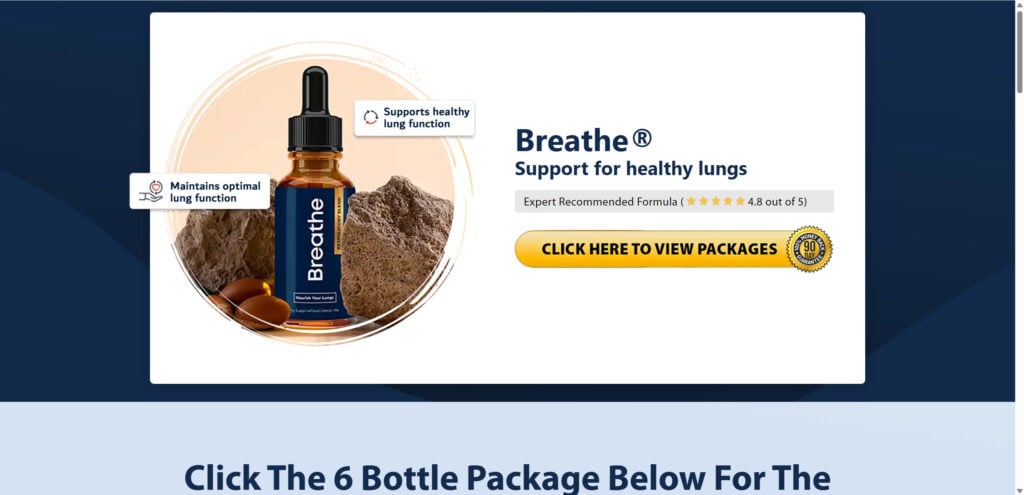
Scam Overview
The so-called “Breathe 7-Second Mucus Melting Ritual” is marketed as a breakthrough for anyone suffering from conditions like:
- COPD (Chronic Obstructive Pulmonary Disease)
- Asthma and bronchitis
- Chronic sinus congestion
- Smoker’s lung
- Seasonal allergies and mucus buildup
The Promise
The core claim is that a dropper of Breathe, used once per day, can instantly dissolve mucus and “detox” your lungs. Supposedly, this product:
- Clears airways in seconds
- Reverses lung damage
- Works naturally with zero side effects
- Was secretly developed by a whistleblowing medical expert
- Is hidden by the pharmaceutical industry to protect profits
The marketing claims this miracle was “accidentally discovered” by respiratory expert Elizabeth Moffett, who developed a natural formula from household ingredients like ginger, apple cider vinegar, lemon, and peppermint oil.
The Reality
There’s no published research, no clinical trials, and no peer-reviewed studies supporting Breathe or the “ritual.” The real Elizabeth Moffett has publicly stated she has no connection to the product or lungreset.com.
Worse, the supposed “breakthrough ritual” is never actually revealed in the ad. Instead, viewers are strung along through long, emotional videos until they’re finally pitched the Breathe supplement. The entire strategy is built around deception, urgency, and manufactured credibility.
Misuse of Medical Experts
Scam marketers don’t stop at Moffett. They invoke the names of other real or invented doctors, pairing them with AI-generated video and voice clips to simulate endorsements. In some cases, these impersonations are so convincing that viewers don’t realize the expert never said those words.
Many of the testimonials are not from real customers—they are deepfakes or scripted actors sourced from freelancing platforms, edited to appear like real medical advice or personal transformation stories.
How the Scheme Works
Let’s break down the scheme, step by step.
Step 1: The Hook – Emotional Clickbait Ads
You encounter an ad online—on Facebook, Instagram, YouTube, or even through an email—that says:
“A 56-year-old woman melts mucus and reverses lung damage with a 7-second ritual she does before breakfast.”
The ad includes shocking before-and-after images, emotional stories, and name-drops like “Harvard,” “Johns Hopkins,” and “Dr. Elizabeth Moffett.” These are meant to bypass your skepticism by appearing medically legitimate.
Step 2: The Long Video
Clicking the ad takes you to lungreset.com, where a 30- to 60-minute video plays. It uses slow pacing, dramatic music, and storytelling to reel you in. You’re told that this “natural recipe” is banned by the medical industry and hidden by Big Pharma.
The video keeps viewers engaged by making claims like:
- “Doctors were silenced.”
- “Harvard researchers confirmed it.”
- “Moffett risked her career to reveal this.”
But the longer you watch, the more you realize: they never actually show the recipe.
Step 3: The Pitch
Eventually, the video introduces a product: Breathe, a liquid supplement in a dropper bottle. The price varies from $49 to over $100 for a multi-bottle bundle. Claims include:
- Instantly dissolves mucus
- Detoxes lungs
- Improves sleep and stamina
- 100% natural and safe
They also say it’s backed by a “60-day money-back guarantee” (though reviews suggest that refunds are rarely processed).
Step 4: The Urgency Trap
To pressure you into buying, they add:
- Countdown timers
- Limited stock alerts
- “Only available today” warnings
- Fake reviews with 5-star ratings
Once the purchase is made, users may be enrolled in recurring subscriptions without full consent, resulting in unexpected future charges.
What to Do If You’ve Fallen Victim to This Scam
If you’ve already purchased Breathe or submitted personal data on lungreset.com, take the following steps:
1. Cancel Any Subscriptions Immediately
- Check your email for order confirmations.
- Contact your bank or credit card company to block future charges.
- Look for hidden subscriptions in the fine print.
2. Request a Refund or Chargeback
- If you used a credit card or PayPal, request a chargeback for a fraudulent or misleading transaction.
- Document the misleading claims with screenshots and links.
3. Report the Scam
- FTC (U.S.): https://reportfraud.ftc.gov
- Better Business Bureau: https://www.bbb.org
- Your country’s consumer protection authority
Include the domain lungreset.com, details about the ad, and your interaction.
4. Monitor Your Personal Data
- If you submitted your phone number, address, or credit card info, monitor for phishing attempts or unusual charges.
- Consider signing up for identity theft protection services if personal data was compromised.
5. Share Your Story
- Post a review on scam reporting platforms like Trustpilot, ScamAdviser, or Reddit.
- Warn your friends and family, especially those vulnerable to health misinformation.
The Bottom Line: Don’t Trust Miracle Cures
The Breathe “7-second mucus melting ritual” is not a real medical treatment, and it’s not endorsed by any verified health authority. Its association with a real respiratory therapist—Elizabeth Moffett—is unauthorized and manipulative.
The product’s entire marketing strategy relies on AI-driven deception, deepfake testimonials, and pseudoscientific claims to lure people with chronic conditions into buying an unproven supplement.
If a real respiratory breakthrough existed, it wouldn’t be sold in secret through a dropper bottle on a mysterious website—it would be published in medical journals and prescribed by your doctor.
Always consult a licensed medical professional before trying new treatments, especially those advertised online.
Frequently Asked Questions (FAQ)
What is the “7-Second Mucus Melting Ritual” scam?
The “7-Second Mucus Melting Ritual” scam refers to a deceptive marketing campaign promoting a liquid supplement called Breathe on websites like lungreset.com. The scam falsely claims that a simple ritual involving household ingredients can instantly dissolve mucus and detox the lungs. In reality, there is no real recipe or proven scientific basis—only a push to sell unverified supplements.
Is the product “Breathe” legitimate?
No credible medical evidence supports the claims made about the Breathe supplement. The product is marketed using misleading testimonials, fake endorsements, and AI-generated content. It is not approved by any regulatory agency like the FDA and should not be considered a trusted respiratory treatment.
Does Elizabeth Moffett endorse Breathe?
No. Elizabeth Moffett is a real doctor, but she has publicly stated that she has no affiliation with Breathe or lungreset.com. Her name and image are being misused without her permission in what appears to be an AI-generated impersonation.
Are other doctors involved in the scam?
Yes. The ads promoting Breathe often mention or fabricate endorsements from other medical professionals—some real, others completely fake. These names are used without consent, and in many cases, the “endorsements” are deepfaked or scripted to sound authoritative.
How does the scam trick people?
- Clickbait ads promise miracle cures for lung issues.
- Fake videos feature AI-generated doctors and customer testimonials.
- Emotional storytelling creates urgency and trust.
- Long-form video sales pages never reveal the promised “ritual” but ultimately push users to buy a dropper bottle of Breathe.
- False scarcity tactics like countdown timers pressure users to buy immediately.
What is lungreset.com?
Lungreset.com is the primary website used to promote the Breathe supplement and the fake “7-second mucus melting ritual.” It is not affiliated with any legitimate medical institutions, and its content is designed to sell products through deceptive tactics.
Is the “ritual” ever actually revealed?
No. The so-called “7-second ritual” is never clearly explained in any of the marketing material. It is merely a bait-and-switch tactic used to keep users watching videos and eventually purchase the Breathe supplement.
Is it safe to take Breathe?
The safety of Breathe is unknown. The company does not disclose complete ingredient lists, clinical trials, or manufacturing standards. As with any supplement marketed through misleading tactics, it’s best to avoid using it and consult a licensed medical professional for any respiratory issues.

Join the discussion
0 commentsShare your experience or ask a question about this article.
Discussion
Start the conversation
Have a question or something useful to share? Add the first comment.