

The Breg Billing Department scam is a fraudulent scheme that aims to trick victims into paying fake bills and outstanding balances. This article provides an in-depth look into how this scam works, how to identify it, and what you can do if you fall victim.
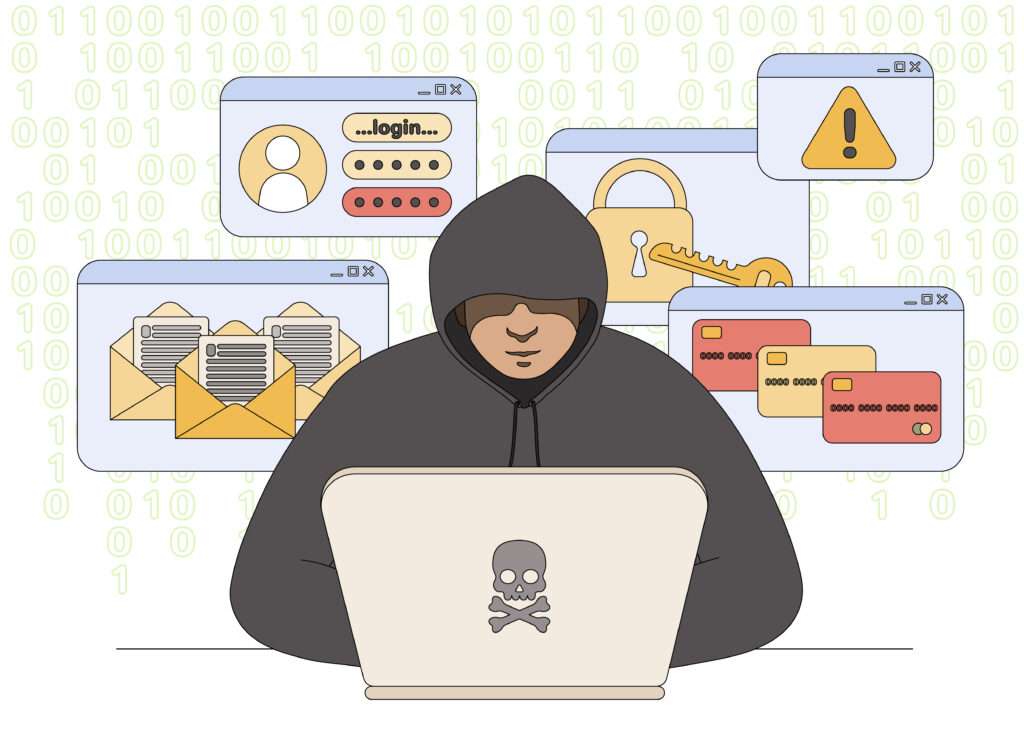
Overview of the Breg Billing Department Scam
The Breg Billing Department scam typically begins with an unsolicited phone call from imposters claiming to represent a company called “Breg Billing Department.” These scammers allege you have an outstanding balance or unpaid bill that must be resolved immediately to avoid legal troubles.
In reality, the Breg Billing Department does not exist. It is a fictional company name used to make the call appear legitimate. Through deception and intimidation, these scammers pressure victims into making an urgent payment using untraceable methods like wire transfers, gift cards, or cryptocurrency. Once the payment is made, the scammers disappear without resolving the fictional billing problem.
This scheme preys on people’s fears of financial consequences and legal trouble. By creating a sense of urgency and insistence on obscure payment methods, scammers are able to defraud victims before they realize it’s a scam. Losses per victim can range from hundreds to thousands of dollars.
Below is a more in-depth look at how the Breg Billing Department scam typically operates and tricks people into handing over money.
How the Breg Billing Department Scam Works
The Breg Billing Department scam follows well-planned steps to build a fictional billing crisis that pressures victims to pay promptly. Here is an overview of how this scam unfold:
Step 1: Unsolicited Call from “The Breg Billing Department”
The scam starts with an unexpected phone call purportedly from a representative of the “Breg Billing Department.” This fictional billing company is made up by scammers to sound official.
Using spoofing technology, the scammers mask the actual phone number to appear believable on your caller ID. Common spoofed numbers they use include 911 or the local area code to increase the chances of you answering.
Once you pick up, the person on the other end claims to be an agent calling about an urgent issue with your utility bill, outstanding balance, or unpaid fees. The details can vary, but the goal is to reference financial services or accounts you actually use to sound legitimate.
Step 2: Vague References to Fake Billing Problems
Without providing any specifics, the scammer alleges there is a billing problem, discrepancy, or unpaid balance in your name. They use vague descriptions about billing cycles, account numbers, and overdue payments.
Since they do not reference real accounts or balances, the details are kept ambiguous on purpose. The scammer’s aim is to confuse victims just enough to doubt whether the call could be real.
Some examples of the vague billing issues they may claim:
- A discrepancy in your last billing cycle amount
- Outstanding late fees on your account
- An unpaid balance on your utilities account
- Problems processing your most recent bill payment
Step 3: Threats of Serious Legal and Financial Consequences
Once they sow the seeds of confusion, the scammers shift to high-pressure threats and warnings about the fictional billing problem. They threaten serious legal and financial consequences, such as:
- Your utilities being shut off immediately
- Wage garnishments or liens being placed on your assets
- Lawsuits, fines, and even arrest warrants resulting from unpaid balances
- Damages to your credit score and negative marks on your credit history
These intimidating threats are designed to cause fear and panic. By making victims believe non-payment will lead to dire financial, legal, or criminal trouble, scammers create an urgent desire to resolve the fictional issue promptly.
Step 4: Demand for Immediate Payment Over the Phone
After escalating the urgency with threats, the scammers shift to demanding payment over the phone right away. They instruct victims to use payment methods that are difficult to reverse, such as:
- Prepaid debit/gift cards
- Bank wire transfers
- Cryptocurrency like Bitcoin
- Remotely deposited checks through ATMs
By insisting payment must be made immediately, scammers pressure victims into overlooking the odd payment methods and complying quickly. Sadly, once the untraceable payment is completed, victims find out much too late the billing problem was completely made up.
Red Flags of the Breg Billing Department Scam
While the Breg Billing Department scam can sound convincing, there are some red flags that can help you identify it:
- Unsolicited Contact: You did not initiate contact or have an existing business relationship. Cold calls, texts, or emails “out of the blue” should be viewed suspiciously.
- Sense of Urgency: Scammers try to rush you into immediate payment by instilling fear or panic. Be wary of any demand for rushed action or threats for non-compliance.
- Odd Payment Demands: Requesting prepaid cards, wire transfers, cryptocurrency, or unusual payment methods is a huge warning sign of a scam.
- Refusal for Written Communication: Scammers typically refuse to email or mail you billing statements, notices, or anything in writing.
- No Specific Account Details: Vague references to billing cycles, account numbers, or balances indicate they do not have your real information.
- Spoofed Caller ID: Scammers fake real phone numbers of utilities, government agencies, or local area codes. But call traces often lead back to foreign countries.
- Tips Off When Verifying: If the caller becomes defensive, belligerent, or hangs up when you try to verify the billing issue, it is likely a scam.
- Fictional Company Name: Searching for “Breg Billing Department” does not lead to any legitimate billing company or financial institution. The name is completely fabricated.
Trust your instincts. If a surprise call comes in claiming you have a vague billing issue demanding immediate payment, it is most certainly a scam attempt.
Who is Most at Risk for the Breg Billing Department Scam?
Some of the main targets for the Breg Billing Department scam include:
- Senior Citizens: Elderly people are more vulnerable to pressure and intimidation tactics. Scammers exploit assumptions that seniors may have hearing difficulty, forgetfulness, or confusion about finances making them more compliant victims.
- Recent Immigrants: New immigrants unfamiliar with local utilities and billing systems can be more trusting of any claims related to unfamiliar processes. Language barriers also make them easier targets.
- People Living Alone: Those living alone are more likely to fall for scams due to social isolation and lack of someone else to confer with about the legitimacy of calls.
- People Under Financial Distress: If you are struggling with real debt or credit problems, you may be more prone to assumethreatening calls could be real. Scammers exploit desperate people more easily.
- People with Bad Credit Scores: Having a history of late payments or balances in collections makes you more likely to believe past-due billing claims. Scammers bank on your fear of further credit damage.
Be extra vigilant if you fit one of these demographics being targeted. Never let pressure or intimidation tactics overwhelm your good judgment – remember, no legitimate company will threaten dire consequences for an unpaid bill. Verify details through an official customer service number before paying anything.
Detailed Steps if You Already Paid the Breg Billing Department Scammers
If you already got tricked and made a payment to the fictional Breg Billing Department, take the following steps right away to stop further losses:
Step 1: Contact Your Bank or Financial Institution
If you paid by credit card, bank account, wire transfer, or any other financial account, contact your bank or institution immediately. Reporting fraudulent charges quickly can increase the likelihood they can reverse transactions and block additional withdrawals.
Provide key details like payment date, account affected, amount lost, and the scammer’s phone number. This creates a useful paper trail in case your case needs to be escalated to your local authorities or the FBI.
Step 2: Notify Money Transfer Services or Retailers
For payments involving money transfer apps, prepaid debit cards, or gift cards, notify the relevant retailers or service providers promptly. Details like gift card numbers used or transaction IDs for mobile payments are crucial to provide.
While less likely, catching fraudulent transactions fast gives them a chance to potentially block, refund, or trace suspicious payments to the scammers. The quicker you report, the better.
Step 3: Call Your Local Authorities
Contact your local police department’s non-emergency number about the fraud incident. Provide phone numbers, names, or any details about the scammer and transactions to file an official report.
Get a copy of the police report case number assigned. Having an official record of the crime creates a paper trail and can help with disputing fraudulent charges.
Step 4: Report the Scam to Relevant Agencies
To help authorities track and shut down scams, notify the following agencies with details about your experience:
- Federal Trade Commission (FTC)
- Federal Bureau of Investigation (FBI)
- Consumer Financial Protection Bureau (CFPB)
- Canadian Anti-Fraud Centre (CAFC) for Canada
- Your state or province’s Attorney General office
- Your telephone provider
Reporting helps identify emerging scams targeting people in your area. The more claims submitted, the more likely authorities can catch and penalize scammers.
Step 5: Monitor Accounts Closely
Carefully check your financial accounts and credit reports regularly after experiencing fraud. Scammers who succeed once may attempt more transactions. Ongoing monitoring helps you spot any suspicious charges quickly.
Consider requesting credit freezes or low balance alerts on accounts to protect against future misuse. Be extra vigilant against potential identity theft in the months following financial scams.
Step 6: Warn Others About the Scam
The more people made aware of scams, the less likely they can victimize others. Kindly relay details of the scam to vulnerable friends and relatives, especially seniors.
You can also post scam warnings through neighborhood groups and social networks. Share tips for spotting red flags so others don’t get tricked by the Breg Billing Department scam.
Frequently Asked Questions About the Breg Billing Department Scam
The Breg Billing Department scam tricks victims into paying fake bills. Learn how to protect yourself with this FAQ guide.
What is the Breg Billing Department scam?
The Breg Billing Department scam is a fraudulent scheme where scammers impersonate a fictional billing company called “Breg Billing Department.” They call victims claiming urgent problems with bills or payments and demand immediate payment over the phone through untraceable methods like gift cards. Once money is paid, the scammers disappear without resolving the fictional issue.
Who do the scammers target with the Breg Billing scam?
Scammers target seniors, immigrants, people living alone, those facing financial distress, and people with bad credit. Anyone vulnerable to intimidation tactics and pressure could become victimized.
What tactics do they use to trick people?
Scammers call from spoofed numbers posing as Breg Billing agents. They vaguely claim discrepancies with your bills and threaten consequences like shutting off utilities or legal action if the fictional billing problem isn’t paid immediately.
What payment methods do they ask for?
Scammers pressure urgent payments through wire transfers, prepaid debit/gift cards, cryptocurrency, remotely deposited checks, or other difficult-to-trace methods. This allows them to grab the money before victims realize it was a scam.
What are some red flags of the Breg Billing Department scam?
Red flags include unsolicited calls, urgency, unusual payment demands, refusal to send written notices, lack of account specifics, spoofed caller IDs, defensiveness when questioned, and an inability to find the company online.
What should you do if the scammers call you?
If “Breg Billing Department” calls about an urgent bill, hang up. Verify billing disputes directly through official customer service lines – never rely on unsolicited callers. If pressured, contact local authorities to report the scam attempt.
What if you already paid the Breg Billing scammers?
Immediately call your bank, money transfer services, retailers, local police, fraud reporting agencies, telephone provider, and credit bureaus. Provide details to potentially reverse the transactions and monitor your accounts closely for further misuse.
How can you avoid the Breg Billing Department scam?
Avoid unsolicited calls about bills, never make immediate payments to unknown third-parties, use official customer service contacts, and report suspicious activities to protect yourself from this scam.
How can you help warn others about this scam?
Share information about this scam with vulnerable friends and relatives. Report details to local authorities and post scam warnings online or through community groups so fewer people fall victim.
The Bottom Line – Don’t Fall for The Fake Breg Billing Scam
The Breg Billing Department scam thrives on intimidating phone calls that install a sense of urgency in paying fictional bills. Always stay vigilant of any unsolicited calls or texts demanding immediate payment through unusual methods.
Stopping to verify billing problems directly with official customer service lines can protect you. If the caller refuses to email you a notice or provide written documentation, it is surely a scam attempt.
Trust your instincts – legitimate companies will never threaten consequences like immediate utility shutoff or legal action without prior official notifications. Take your time and resist pressure to make snap decisions based on fear or panic.
With vigilance and healthy skepticism of unsolicited calls, you can recognize the red flags of the Breg Billing Department scam. Spread awareness so fewer people get fooled by this deceptive fraud scheme targeting unsuspecting victims.

Join the discussion
0 commentsShare your experience or ask a question about this article.
Discussion
Start the conversation
Have a question or something useful to share? Add the first comment.