

Calc.exe is a commonly found executable file in the Windows operating system. It is the default calculator application that comes pre-installed with Windows. While it may seem like a harmless program, there are instances where it can be used maliciously. In this article, we will explore what Calc.exe is, its potential risks, and whether or not you should remove it from your system.
What is Calc.exe?
Calc.exe is the executable file for the Windows Calculator application. It is located in the System32 folder of the Windows directory. The calculator is a basic utility that allows users to perform mathematical calculations, conversions, and other related tasks.
Calc.exe has been a part of the Windows operating system since its early versions. It is a trusted and legitimate program developed by Microsoft. The file size of Calc.exe is relatively small, usually around 150-200 KB.
Is Calc.exe Safe?
Calc.exe itself is safe and not considered a threat. It is a legitimate program developed by Microsoft and is digitally signed by the company. However, like any other executable file, Calc.exe can be exploited by malware or used as a disguise for malicious activities.
Malware authors often use file names that are similar to legitimate system files to deceive users. They may create malicious files with names like “calc.exe” to trick users into executing them, thinking they are launching the calculator application. This is known as a “file name spoofing” technique.
To ensure that the Calc.exe file on your system is legitimate, you can follow these steps:
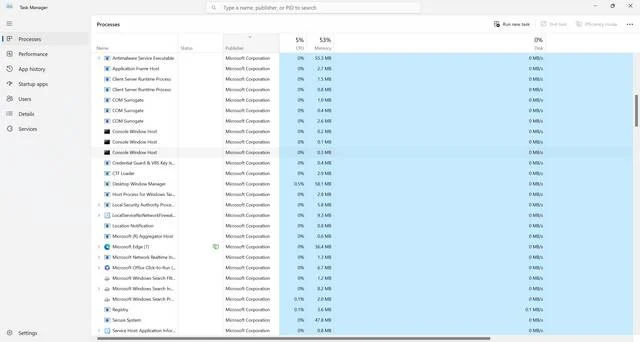
- Open the Windows Task Manager by pressing Ctrl + Shift + Esc or by right-clicking on the taskbar and selecting “Task Manager”.
- Go to the “Processes” tab and look for “calc.exe” in the list of running processes.
- If you find multiple instances of calc.exe or if the file is located in a different folder than the System32 folder, it may indicate a potential threat.
- If you suspect that the calc.exe file on your system is malicious, it is recommended to scan your computer with a reliable antivirus or anti-malware software, such as Malwarebytes Free.
Potential Risks of Calc.exe
While Calc.exe itself is not a threat, it can be used as a disguise by malware to bypass security measures. Malicious files with names similar to Calc.exe can be distributed through various means, such as email attachments, malicious websites, or software downloads.
Once executed, these malicious files can perform various harmful activities, such as:
- Stealing sensitive information, such as login credentials or financial data.
- Installing additional malware or unwanted programs on the system.
- Modifying system settings or registry entries to gain persistence.
- Launching attacks on other systems or participating in botnet activities.
To protect your system from potential risks associated with Calc.exe, it is important to follow these best practices:
- Keep your operating system and security software up to date to prevent known vulnerabilities from being exploited.
- Be cautious when downloading files or opening email attachments from unknown or suspicious sources.
- Regularly scan your system for malware using reputable antivirus or anti-malware software.
- Enable real-time protection and firewall on your system to block malicious activities.
Should I Remove Calc.exe?
As mentioned earlier, Calc.exe is a legitimate program developed by Microsoft and is an essential part of the Windows operating system. Removing Calc.exe from your system is not recommended, as it may cause issues with other applications or system functionalities that rely on it.
Instead of removing Calc.exe, it is important to ensure that the file on your system is legitimate and not malware. Regularly scanning your system with reliable antivirus or anti-malware software, such as Malwarebytes Free, can help detect and remove any potential threats.
Conclusion
Calc.exe is a legitimate program that comes pre-installed with the Windows operating system. While it is generally safe, it can be exploited by malware authors to deceive users. It is important to verify the legitimacy of the Calc.exe file on your system and take necessary precautions to protect against potential risks.
By following best practices, such as keeping your system updated, being cautious with file downloads, and regularly scanning for malware, you can ensure the security of your system and minimize the chances of falling victim to malicious activities.

Join the discussion
0 commentsShare your experience or ask a question about this article.
Discussion
Start the conversation
Have a question or something useful to share? Add the first comment.