

CDBurnerXP is a popular software program developed by Canneverbe Limited that allows users to burn CDs, DVDs, and Blu-ray discs. With its user-friendly interface and extensive features, CDBurnerXP has become a go-to choice for many individuals and businesses alike. However, like any software, it is important to understand its purpose, functionality, and potential risks before deciding whether to keep or remove it from your system.
What is CDBurnerXP?
CDBurnerXP is a free software program that allows users to create and burn CDs, DVDs, and Blu-ray discs. It supports a wide range of disc formats, including audio CDs, data discs, and ISO images. The program also offers additional features such as creating bootable discs, copying discs, and erasing rewritable discs.
One of the key advantages of CDBurnerXP is its simplicity and ease of use. The program provides a straightforward interface that makes it accessible to both beginners and advanced users. It offers a step-by-step process for burning discs, allowing users to select the files or folders they want to burn and customize various settings such as disc format, writing speed, and file system.
Should I Remove CDBurnerXP?
While CDBurnerXP is a legitimate and widely used software program, there are a few factors to consider when deciding whether to remove it from your system:
1. Usage Frequency
If you rarely or never burn CDs, DVDs, or Blu-ray discs, you may not need to keep CDBurnerXP installed on your computer. Removing it can free up valuable disk space and reduce clutter on your system. However, if you occasionally need to burn discs, it may still be worth keeping CDBurnerXP for those specific tasks.
2. Alternative Software
Before removing CDBurnerXP, consider whether you have access to alternative software that can fulfill your disc burning needs. There are several other reputable disc burning programs available, such as Nero Burning ROM and ImgBurn, which offer similar functionality. Research and compare different options to determine which software best suits your requirements.
3. Security Concerns
When evaluating whether to remove CDBurnerXP, it is essential to consider any potential security concerns associated with the software. While CDBurnerXP itself is not known to be malicious or harmful, it is always recommended to download software from trusted sources and keep it updated to minimize the risk of malware or security vulnerabilities.
If you are concerned about the security of your system, it is advisable to regularly scan your computer for malware using reputable antivirus software. Malwarebytes Free is a popular choice for malware detection and removal.
How to Remove CDBurnerXP?
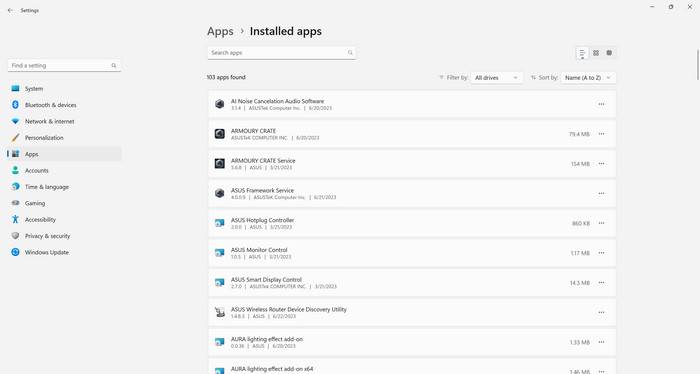
If you have decided to remove CDBurnerXP from your system, follow these steps:
- Close any open instances of CDBurnerXP.
- Open the Control Panel on your Windows computer.
- Select “Uninstall a program” or “Programs and Features” (depending on your version of Windows).
- Locate CDBurnerXP in the list of installed programs.
- Right-click on CDBurnerXP and select “Uninstall” or “Remove”.
- Follow the on-screen prompts to complete the uninstallation process.
After successfully uninstalling CDBurnerXP, it is recommended to restart your computer to ensure any remaining files or registry entries are properly removed.
Conclusion
CDBurnerXP by Canneverbe Limited is a versatile and user-friendly software program that allows users to burn CDs, DVDs, and Blu-ray discs. Whether you should remove it from your system depends on your usage frequency, availability of alternative software, and security concerns.
If you rarely use disc burning capabilities or have access to alternative software that better suits your needs, removing CDBurnerXP can free up disk space and reduce clutter. However, if you occasionally need to burn discs and find CDBurnerXP convenient, there is no immediate need to remove it.
Regardless of your decision, it is crucial to prioritize the security of your system by downloading software from trusted sources and keeping it updated. Regularly scanning your computer for malware using reputable antivirus software, such as Malwarebytes Free, can further enhance your system’s security.
Ultimately, the choice to remove CDBurnerXP should be based on your specific needs and preferences. By considering the factors mentioned in this article, you can make an informed decision that aligns with your requirements and ensures the optimal performance and security of your computer.

Join the discussion
0 commentsShare your experience or ask a question about this article.
Discussion
Start the conversation
Have a question or something useful to share? Add the first comment.