

A small spoonful of honey is supposedly restoring memory, and famous people appear to explain why it was hidden. That is the promise behind recent Clear Cogni promotions.
The story is persuasive because it blends an ordinary kitchen ritual with recognizable faces, medical language, and a polished supplement checkout.
Overview
The advertising story is manufactured
Clear Cogni is promoted through videos and advertorials that imitate interviews, news reports, and health discoveries. Some use artificial intelligence to mimic recognizable public figures.
The recurring script claims a cheap honey ritual can reverse memory decline. It then redirects readers toward bottles of FlowOptiNutri Clear Cogni.
There is no credible evidence that the featured celebrities endorsed this funnel. Their faces and voices are used to transfer borrowed trust onto an unrelated sales page.
The current checkout makes a separate promise
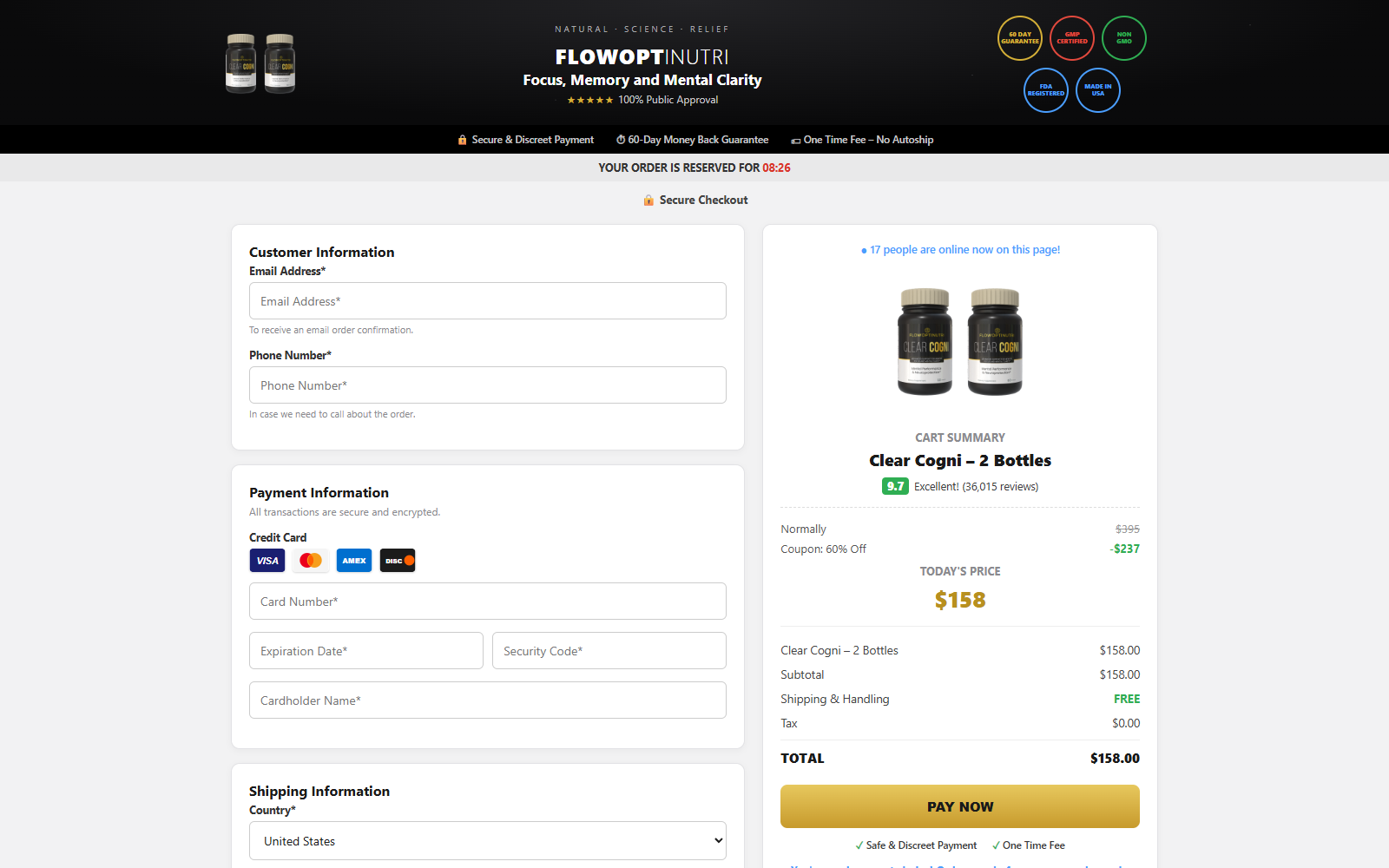
At the time of our review, the official checkout explicitly displayed “One Time Fee” and “No Autoship.” We found no current subscription selection on that page.
That fact matters. It would be inaccurate to call the reviewed checkout a confirmed refill trap merely because other supplement funnels use recurring billing.
However, the terms include template language about canceling future orders. The inconsistency deserves clarification before purchase, even though it does not prove automatic renewal.
What remains concerning
Fake celebrity advertising is deceptive regardless of billing frequency. It creates a false origin story for a supplement whose benefits are not guaranteed by its own terms.
The page combines large bundle prices, scarcity messaging, dramatic review counts, and broad cognitive claims. Those elements can make a speculative product feel medically established.
- The celebrity videos and news-style pages are not reliable endorsements.
- The honey ritual is a sales narrative, not an established Alzheimer’s treatment.
- The current checkout says one-time payment and no autoship.
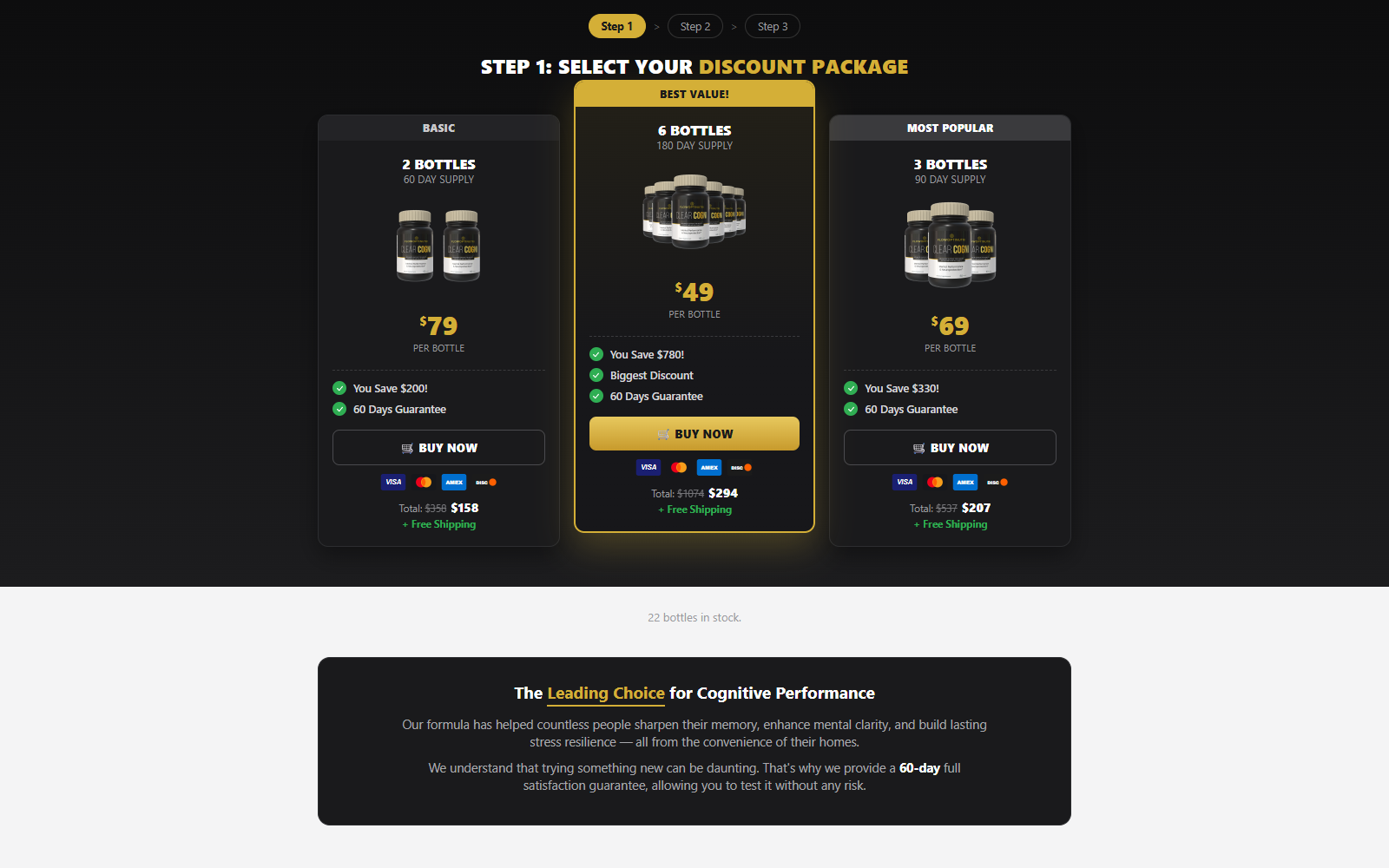
- The six-bottle package totals $294.
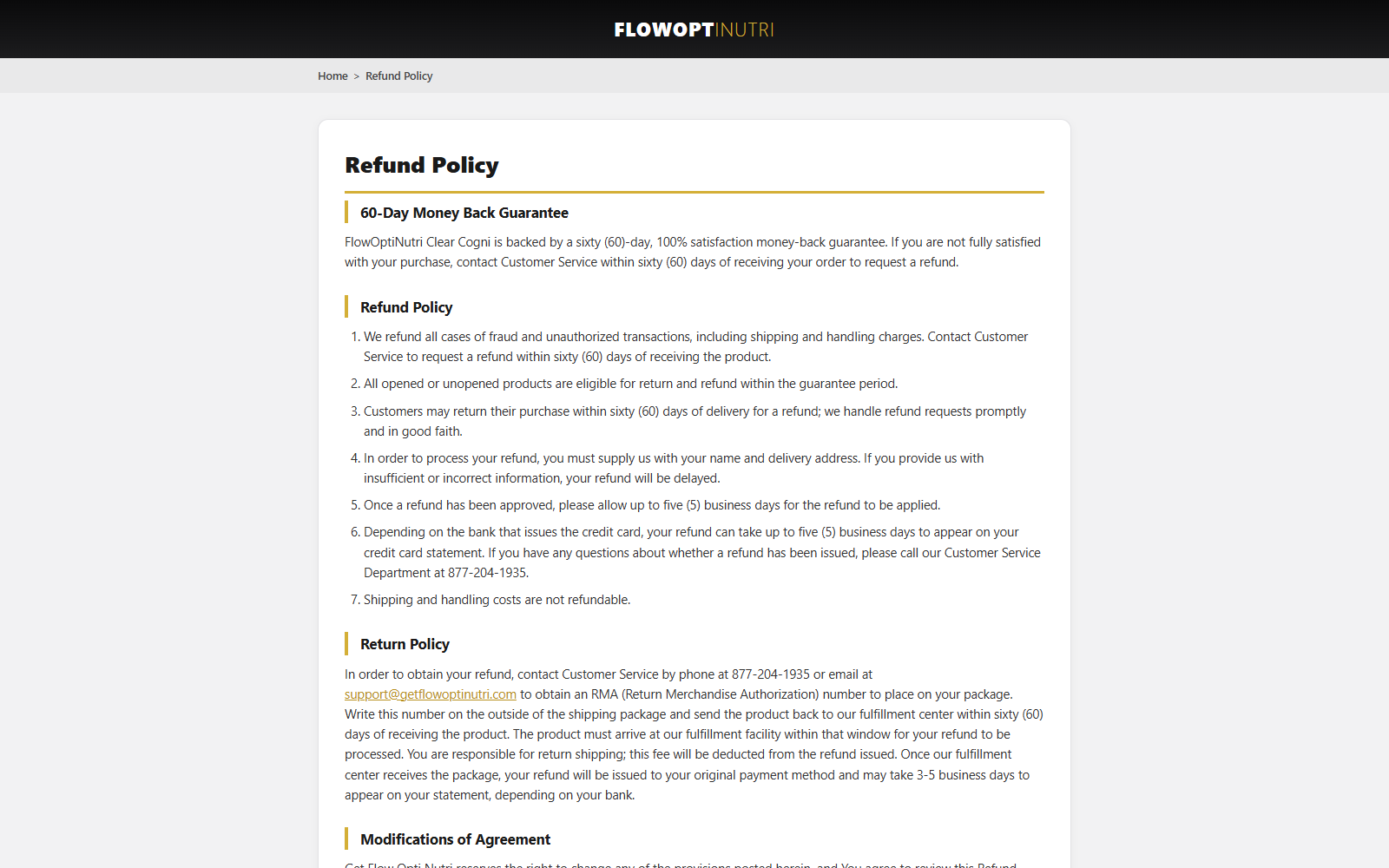
- Returns require authorization and customer-paid shipping.
- The product does not guarantee specific cognitive benefits.
The Fake Honey Story Behind Clear Cogni
The campaign begins with a familiar object rather than a supplement bottle. Honey feels traditional, affordable, safe, and available in nearly every kitchen.
A fabricated presenter or cloned celebrity voice then claims that one overlooked preparation can restore focus or reverse cognitive decline. The explanation sounds both secret and simple.
That tension is intentional. If the discovery is supposedly cheap, powerful, and suppressed, viewers feel they are learning something institutions do not want them to know.
The “recipe” rarely remains the final answer. After a long story, the page introduces a commercial product that conveniently packages the promised solution.
Names can change while the narrative survives. One campaign may feature drops, another capsules, and another a powder, yet the celebrity and honey footage remains similar.
This is why consumers should investigate the story separately from the bottle. A real checkout does not make the fabricated endorsement or medical implication truthful.
How the Fake Clear Cogni Ad Funnel Works
Step 1: An AI video borrows a famous identity
The advertisement may show a technology leader, actor, doctor, or television host speaking about memory loss. Facial movement and voice can be generated or manipulated.
Scammers choose people associated with intelligence, health, or public trust. Viewers recognize the face before noticing unnatural lip movement, pacing, or pronunciation.
A short clip is enough to create curiosity. It does not need to withstand careful scrutiny because the viewer is quickly pushed toward another page.
Step 2: A fake news page provides false confirmation
The click may open an advertorial styled like CNN Health or another familiar publication. Logos, colors, navigation bars, and interview layouts imitate editorial journalism.
The web address usually has no connection to the copied publisher. Buttons and menus may all lead to the same supplement offer instead of real news sections.
Testimonials and expert quotations can be invented. The page is controlled by marketers, so its apparent reporting does not independently verify anything.
Step 3: The story turns fear into hope
Long-form copy describes forgotten names, misplaced objects, lost independence, and family anxiety. These situations are emotionally real, which makes the sales story especially powerful.
The narrative then offers relief through an easy ritual. Honey imagery softens the pitch and makes the supposed breakthrough feel safer than medicine.
Alzheimer’s disease and other causes of cognitive decline cannot be diagnosed through an advertisement. Delaying professional care for an unproven remedy can cause serious harm.
Step 4: The ritual quietly becomes a supplement order
After explaining the alleged discovery, the advertorial introduces Clear Cogni. The product is positioned as the convenient or optimized version of the supposed natural solution.
The transition can feel logical because the reader has spent several minutes accepting the story’s premises. By checkout, the original celebrity claim may seem established.
In reality, the endorsement, news article, ritual, and product evidence must each be verified independently. A persuasive sequence does not connect them scientifically.
Step 5: Bundle pricing raises the immediate spend
The reviewed packages showed two bottles at $79 each, three at $69 each, and six at $49 each. The complete totals were $158, $207, and $294.
The lowest per-bottle price requires the largest payment. Shoppers focused on savings may overlook that they are committing nearly $300 before testing one bottle.
A stock counter and large review number add social pressure. Those figures appear on the seller’s own page and should not be treated as independent verification.
Step 6: The checkout reassures the buyer about autoship
The current checkout says the payment is one-time and there is no autoship. Consumers should screenshot that statement along with the selected package and total.
This verified wording separates Clear Cogni from confirmed recurring-refill checkouts. It does not validate the celebrity promotion or prove that the supplement improves memory.
The terms’ reference to canceling future orders may be leftover template language. Ask support to confirm in writing that no recurring authorization is created.
Step 7: The refund guarantee has procedural conditions
The seller advertises a 60-day guarantee for opened or unopened bottles. The policy requires a return authorization before products are mailed back.
The returned package must arrive within the allowed period, and the customer pays return shipping. Delayed support or international transit can consume valuable time.
A guarantee is only as useful as the process behind it. Keep written authorization, tracked shipping, delivery confirmation, and the promised refund amount.
What Clear Cogni Claims and What It Proves
The checkout lists ingredients including bacopa monnieri, Panax ginseng, L-theanine, branched-chain amino acids, and Rhodiola rosea.
Each ingredient may have preliminary research in certain contexts. A list of familiar compounds does not prove the finished blend treats dementia or produces the advertised transformation.
Evidence depends on exact species, extract standardization, dose, combination, study population, duration, and outcome. A label image cannot answer all those questions.
The seller’s own terms state that no particular health benefits are guaranteed. They also say the product is not intended to diagnose, treat, cure, or prevent disease.
Those disclaimers conflict with any ad implying that a honey-based supplement reverses Alzheimer’s disease. The dramatic advertising should not override the formal limitations.
Anyone experiencing new confusion, memory loss, behavior changes, or difficulty managing daily tasks should seek medical evaluation instead of relying on an online advertisement.
Company, Address, and Fulfillment Checks
Match the brand to the billing descriptor
The terms say card statements may show GETFLOWOPTINUTRI. A buyer expecting “Clear Cogni” could otherwise mistake the transaction for an unknown charge.
Save the descriptor with the receipt. If the statement displays something different, ask support and the card issuer to identify the merchant before assuming either legitimacy or fraud.
The published address may serve several functions
The seller lists 6801 Jefferson Street Northeast, Suite 150-3958, Albuquerque, New Mexico 87109. A suite or mailbox address does not prove manufacturing occurs there.
Corporate mail, customer support, returns, fulfillment, and production can use different facilities. Obtain an authorized return address before shipping bottles anywhere.
Support details should be tested early
The site publishes a telephone number and support email. Before ordering, ask whether billing is recurring, where products ship from, and how authorization works.
A direct, written reply is more valuable than a generic promise. Save it with the checkout screenshot and refund policy.
Manufacturing transparency remains important
Look for a complete Supplement Facts panel, ingredient amounts, warnings, lot number, expiration date, manufacturer, and independent quality testing.
Marketing phrases such as natural, research-backed, or physician-formulated do not establish FDA approval or disease-treatment effectiveness.
What to Do if You Bought Clear Cogni
- Save the complete funnel. Capture the social ad, celebrity video, advertorial address, product claims, package choice, checkout statement, and receipt.
- Verify the charge. Confirm the amount and GETFLOWOPTINUTRI descriptor. Report any amount or repeat transaction that differs from your authorization.
- Request written billing confirmation. Ask support to state whether the order creates any recurring shipment, membership, or future authorization.
- Do not delay medical care. Contact a qualified clinician about memory symptoms, medication interactions, or adverse effects. Do not replace prescribed treatment with the supplement.
- Start the refund process promptly. Request an authorization number, approved destination, deadline, expected refund, and instructions for opened bottles.
- Return with tracking. Photograph the bottles, lot numbers, parcel, and label. Keep the shipping receipt and delivery confirmation.
- Challenge deceptive promotion. Tell the card issuer if a fake celebrity endorsement or imitation news page materially influenced the purchase.
- Monitor the payment method. The reviewed checkout says no autoship, but watch statements for unfamiliar or repeat charges and dispute them quickly.
- Check the device. Run Malwarebytes if the advertisement caused downloads or browser warnings. AdGuard can reduce malicious advertisements and redirect chains.
- Report impersonation. Send the ad and destination address to the social platform, copied news organization, FTC, and relevant consumer authority.
How to Spot the Same Story Under Another Product Name
Focus on the narrative rather than the bottle. Fake celebrity clips, hidden-cure language, honey imagery, and imitation news pages can be reused for another supplement tomorrow.
Search a distinctive sentence from the video in quotation marks. Duplicate advertorials often preserve wording while changing the product name and checkout link.
Open the news logo in a separate tab. If the article cannot be found on the publication’s genuine domain, the page is likely an imitation.
Watch for voices that sound smooth but emotionally flat, inconsistent teeth, distorted fingers, mismatched lip movement, or sudden changes in facial texture.
Do not assume a doctor shown in a clip reviewed the bottle. Verify the person’s official website or public account for an independently posted endorsement.
Finally, search the exact card descriptor, phone number, company name, and return address. The brand name alone may disappear while the underlying operation continues.
Why Fake Celebrity Health Ads Are So Effective
Celebrity recognition lowers skepticism before the viewer evaluates the words. A familiar face can make an unknown website feel established within seconds.
AI video also gives marketers endless variations. They can change the opening claim, public figure, language, or product without filming a real endorsement.
Health anxiety adds urgency. Someone worried about a parent’s memory may tolerate weaker evidence than they would for an ordinary household purchase.
The fake news layout then supplies apparent confirmation. Instead of seeing one advertisement, the victim feels that a respected publication investigated the discovery.
Long pages exploit commitment. After watching a video and reading a personal story, leaving without ordering can feel like abandoning a rare opportunity.
Bundle discounts complete the sequence. The customer moves from considering a kitchen remedy to buying several bottles during one emotional session.
Counter this process by adding time. Close the page, verify the endorsement separately, discuss the claim with someone trusted, and revisit the purchase tomorrow.
A legitimate medical breakthrough will remain verifiable after a pause. An expiring timer and disappearing stock counter should not control a health decision.
What Families Should Do About Memory Concerns
Begin with observations, not a supplement. Write down when symptoms started, how often they occur, medication changes, sleep issues, and daily tasks affected.
Schedule a medical assessment. Memory problems can have many causes, including conditions that require prompt treatment and should not be self-diagnosed online.
Bring every supplement bottle and medication list to the appointment. Even common herbal ingredients can interact with prescriptions or complicate evaluation.
Support the person without shaming them for believing an advertisement. Compassion makes it easier to stop payments, preserve evidence, and seek appropriate care.
Frequently Asked Questions
Did Bill Gates endorse Clear Cogni?
We found no credible evidence of such an endorsement. Campaigns use manipulated celebrity imagery and fake news presentation to create that impression.
Does a honey ritual reverse Alzheimer’s disease?
No reliable evidence supports that claim. Cognitive symptoms need professional assessment, and an online ritual should never replace diagnosis or treatment.
Is Clear Cogni currently an autoship subscription?
The checkout we reviewed explicitly said one-time fee and no autoship. Screenshot your own checkout because terms and offers can change.
How much does Clear Cogni cost?
The reviewed offers totaled $158 for two bottles, $207 for three, and $294 for six. Shipping, tax, or active promotions may change.
Can opened bottles be returned?
The published 60-day policy says opened and unopened bottles can qualify, but authorization, timing, return delivery, and customer-paid shipping conditions apply.
Is Clear Cogni proven to treat dementia?
No. The seller’s terms do not guarantee particular benefits and state that the product is not intended to diagnose, treat, cure, or prevent disease.
The Bottom Line
The Clear Cogni funnel uses fake celebrity authority and a fabricated honey discovery to turn fear about memory loss into a large supplement purchase.
The current checkout’s one-time, no-autoship wording should be reported accurately. It does not excuse deceptive endorsements or establish medical effectiveness.
Ignore the borrowed faces, verify the real seller and terms, preserve every promise, and seek qualified medical help for genuine cognitive concerns.

Join the discussion
0 commentsShare your experience or ask a question about this article.
Discussion
Start the conversation
Have a question or something useful to share? Add the first comment.