


What happens after a caller persuades someone to turn retirement savings into gold? The Collin County gold bar scam took Texas investigators well beyond the people making the calls.
The case offers an important lesson for families: the details easiest to throw away could be some of the most useful things to keep.
Overview
What the Collin County gold bar scam targeted
Texas investigators described an organized scam targeting older adults. Callers posing as federal agents or regulators threatened prosecution to pressure people into moving their savings.
According to the Collin County Sheriff’s Office, victims were pushed to liquidate accounts, buy precious metals, or move cryptocurrency. Couriers collected assets in person, including at public meeting places.
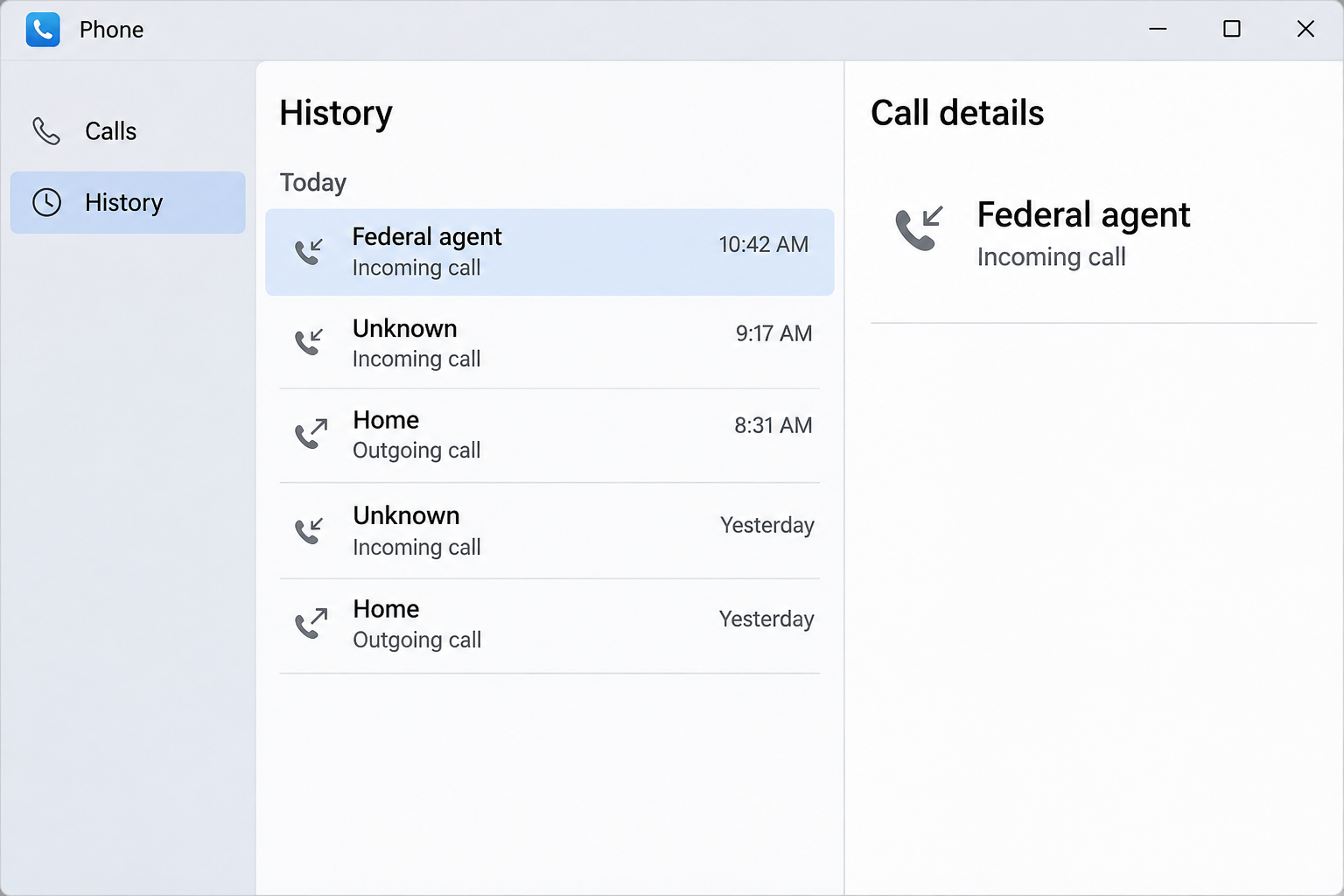
The image is a reconstruction of the incoming call stage. The investigators’ public account identifies the impersonation, not the text any particular victim saw on their screen.
Why the investigation spread to three states
The sheriff’s office announced searches in Frisco and Irving on January 29, 2026. Investigators said they were processing financial records, electronic devices, and precious metals from the two locations.
In February, deputies carried out further searches in Texas, Georgia, and Florida. The Florida search took place in Altamonte Springs, near Orlando.
The searches concerned suspected handling of fraud proceeds. That allegation is separate from the documented reports of people being deceived into surrendering assets. A search does not determine anyone’s guilt.
Why the asset estimate isn’t a refund total
In March, local station WFTV reported authorities’ seizure estimates: about $30 million at the Florida location, $70 million in Atlanta, and $50 million at a Texas location.
An attorney for one of the Florida business owners disputed the $30 million figure. He did not provide a replacement estimate to the station.
That adds up to about $150 million in reported seizures. It doesn’t establish what victims lost, which items were stolen, or what was returned.
- A threat of prosecution was used to make the transfer feel necessary.
- Buying gold from a real dealer did not make the caller’s instructions legitimate.
- The courier was the point at which victims gave up physical control.
- A receipt, order confirmation, or shipping notice can help establish dates and amounts.
- An unsolicited offer to release recovered assets is a separate red flag.
How the Scam Works
Step 1: A stranger makes the problem sound official
The person on the line says they are a federal agent or work for a regulator. The sheriff’s office said the operation used false credentials and threats of prosecution.
This isn’t a pitch for an investment. The caller is trying to convince a person who has done nothing wrong that hanging up will make a legal problem worse.
An official name or identification number doesn’t tell you who’s speaking. Even if the caller knows your name, hang up and call the agency through its published number.
Step 2: The caller tries to shut out a second opinion
The investigators said victims were told to act in secrecy. That instruction matters because, on an ordinary day, a sudden request to empty savings would usually prompt a conversation.
Someone might ask a spouse about the withdrawal, or tell a banker who requested it. Each conversation offers a chance for somebody outside the call to recognize what is happening.
If you’re helping a relative, ask what the caller said would happen if they hung up. That’s often easier to talk about than whether they believed the caller.
Step 3: The threat turns into a withdrawal
The caller directs the victim to take money out of accounts. On the bank statement, the move may look like any other customer-requested withdrawal.
An account holder can approve a withdrawal while being lied to about why it’s necessary. Tell the bank both parts if you report it.
The January announcement included cash and cryptocurrency as well as precious metals. Keep separate records if the caller persuaded you to use more than one.
Step 4: The victim buys real gold for a false reason
This is where the promise of safekeeping begins to cost real money. A victim may complete a genuine purchase with a dealer who has nothing to do with the impersonation.
The gold can be exactly what the paperwork says it is. What doesn’t exist is the official procedure the caller claims requires a private person to deliver it for protection.
The FTC’s warning about gold bar scams is straightforward. A real government agent will not ask you to buy gold and deliver it to protect your savings.
The opening story isn’t always about prosecution. Our gold bar protection scam guide explains other ways a caller may get someone to the same doorstep.
If the parcel is still on its way, ask the seller whether delivery can be stopped. Use the contact details in the original order confirmation.
Step 5: A courier takes possession
In the January case, couriers met victims in public. The FBI’s broader courier warning also describes pickups at homes, sometimes accompanied by a supposed verification code.
A public place can feel safer than a visit at home. But a stranger doesn’t become an official just because they repeat a code supplied by the caller.
Don’t go to a scheduled pickup. If someone comes to your door, stay inside and call local police. Call 911 if you feel threatened.
Step 6: The investigation moves beyond the pickup
The county said collected assets were taken to businesses suspected of converting or laundering proceeds. The February searches were part of that inquiry into what happened after the initial handoffs.
Investigators can compare reports, purchase documents, and seized records. But if a bar was altered or mixed with other inventory, a matching weight alone won’t establish ownership.
That’s why records from before and after the purchase matter. A receipt, delivery email, or calendar entry can help narrow down dates when the item itself is hard to identify.
What a Seizure Means for Someone Who Lost Gold
There are three different amounts to keep straight
For your report, keep both the purchase price and a description of what you handed over. Don’t replace the invoice amount with an estimate based on today’s gold price.
The value of seized assets is an estimate of property investigators took into custody. That may cover a mix of property, including items not yet linked to a specific victim.
Restitution depends on the case and the applicable legal process. A reported seizure doesn’t mean a check is waiting to be claimed.
The most useful paperwork might still be in your inbox
Start with the record that’s easiest to find. Search for the dealer’s name, the date of the withdrawal, or the confirmation message you received when you bought the gold.
If you can no longer find the receipt, ask the dealer whether they can provide a copy. A missing serial number isn’t a reason to skip the report.
Dates that seem interchangeable at first are worth recording separately. The date an order was placed, the date it arrived, and the date it changed hands answer different questions.
- Save the invoice or order confirmation, including any recorded item numbers or bar serial numbers.
- Keep statements that show the withdrawal or payment, plus related wire or transfer records.
- Note the pickup time, location, and details you already remember, without approaching anyone to collect more.
- Keep original messages and voicemails. Write your own recollection separately and mark uncertain times or amounts as estimates.
Let the authorities check whether cases are connected
Two people can receive similar instructions from different groups. Conversely, people in different states may report activity that investigators eventually connect through a financial or courier record.
You don’t have to identify the right investigation before reporting. Give local police the facts and any prior report number. Mention the news report if it seems relevant.
Don’t post receipts, identity documents, or statements when asking about recovery online. Those details can make a second impersonation call sound credible.
Help a relative tell the story in their own words
If a family member bought gold for an investigation, begin with what’s still pending. Ask where the gold is now and whether anyone is expected to come by.
Then walk through the calls together. A note with the first contact, first withdrawal, and any handoff can make a difficult conversation with the bank easier.
Keep guesses out of the notes. If there were two callers but you don’t know their names, refer to them by the roles they claimed and keep the times approximate.
If your relative threw something away, help look for a copy instead of pressing them to remember. A statement or delivery confirmation can fill gaps in the timeline.
If a bank employee warned them, they may be embarrassed about going ahead. Don’t revisit that decision. Ask if another order or transfer needs to be stopped.
Before calling the bank together, write down which account was involved and the amount. The relative can make the call and decide how they want you to help.
What to Do If You Have Fallen Victim to the Gold Bar Scam
Act first on what you still control. If a withdrawal, order, or pickup is pending, stopping it matters more than trying to write a perfect timeline.
- End the conversation. Don’t use a callback number or link supplied by the caller. If someone is on the way or threatening you, contact local police. Don’t meet a courier.
- Call your bank or broker. Use the number in your banking app or on a statement. Say an impersonator tricked you into making the withdrawal or transfer.
- Contact the dealer. Ask whether the order or shipment can be stopped. If the gold was delivered, keep it secure and get any return instructions directly from the seller.
- Report an actual handoff promptly. Tell local police where and when it happened, what was taken, and whether anyone is expected to return. Ask how to submit records safely.
- Report internet-enabled contact to the FBI. Use IC3 if the scheme involved digital messages, a website, or other online activity. Include your earlier report number if you have one.
- Gather your records. Keep original confirmations, statements, messages, and voicemail. Write a short timeline, distinguishing what you remember from what you can document.
- Tell the bank what else you shared. If the impersonator obtained credentials or accessed your device, explain exactly what happened. Use a known safe device to secure important accounts.
- Verify any recovery contact yourself. End unexpected conversations about processing fees or immediate release of money. Contact the agency handling your report using a number you found independently.
If you paid through more than one route, the FTC’s response guide breaks out cash, bank transfers, cryptocurrency, and other situations. It is worth calling each relevant provider promptly.
If you can’t reach the original branch, start with the bank’s official fraud team. Ask for a reference number and note what the bank says it can check.
How to Handle a Call Claiming Your Gold Was Found
After news of a seizure, a call offering to return property can sound like a relief. The right county, date, or figure could come from public reporting.
The FTC warns about recovery scams that ask for advance fees or personal information. An upfront charge to release your supposedly recovered property is a reason to end the conversation.
Call the office that took your report using verified contact details. Ask whether it reached out and how to submit anything it actually needs. Don’t let the caller transfer you.
Advice about a follow-up scam isn’t a claim that one has been linked to this investigation. It’s a precaution for anyone who receives an unexpected offer after a loss.
Frequently Asked Questions
Is the Collin County gold bar scam real?
Yes. The sheriff’s office documented an organized scheme in which impostors pressured older residents to surrender assets. Searches in three states were part of the investigation.
Did police return $150 million to victims?
No such return was established by those estimates. The figure refers to property reportedly seized at three locations. It doesn’t identify who owned it or what was returned.
Can a real dealership be involved without knowing about the scam?
Yes. A dealer can fulfill a genuine order without knowing why the customer ordered gold. A real receipt doesn’t make the caller’s story legitimate.
What if I took money out but didn’t hand over the gold?
Stop responding and don’t attend the meeting. Contact the bank and seller yourself. Don’t hand the gold to anyone who calls claiming they can arrange a safer pickup.
Can I dispute the charge if I bought real gold and gave it away?
Tell the bank and dealer what happened. A genuine purchase followed by a fraudulent handoff differs from an unauthorized charge. A dispute doesn’t guarantee reimbursement.
Can I report the scam without a receipt or serial number?
Yes. Report the approximate amount, the bank used, and when or where the pickup took place. Ask how to send additional records securely if you find them later.
The Bottom Line
The Collin County gold bar scam shows where the danger starts: someone claiming authority tells you to turn your savings into property a stranger can collect.
If the handoff is pending, don’t go. If it happened, call your bank and local police. Keep receipts and verify any recovery offer with the agency handling the report.

Join the discussion
0 commentsShare your experience or ask a question about this article.
Discussion
Start the conversation
Have a question or something useful to share? Add the first comment.