

CoveBalm reviews can sound appealing when you want lighter makeup without giving up an even-looking complexion. The promise is simple enough to imagine in your morning routine.
But choosing a shade is only one part of choosing a seller. Before ordering, there are a few less glamorous details worth reading.
Overview
The concern is the purchase protection, not a proven fake balm
CoveBalm markets a tinted cosmetic through an active storefront. We have not established that the product is counterfeit, that its contents are dangerous, or that every order recurs.
However, the published purchase terms contain inconsistencies and poorly matched language that buyers should resolve before relying on its money-back promise.
This review examines the skin tint offer, refund wording, membership provisions, and seller information available on October 8, 2026. It is not a physical makeup test.
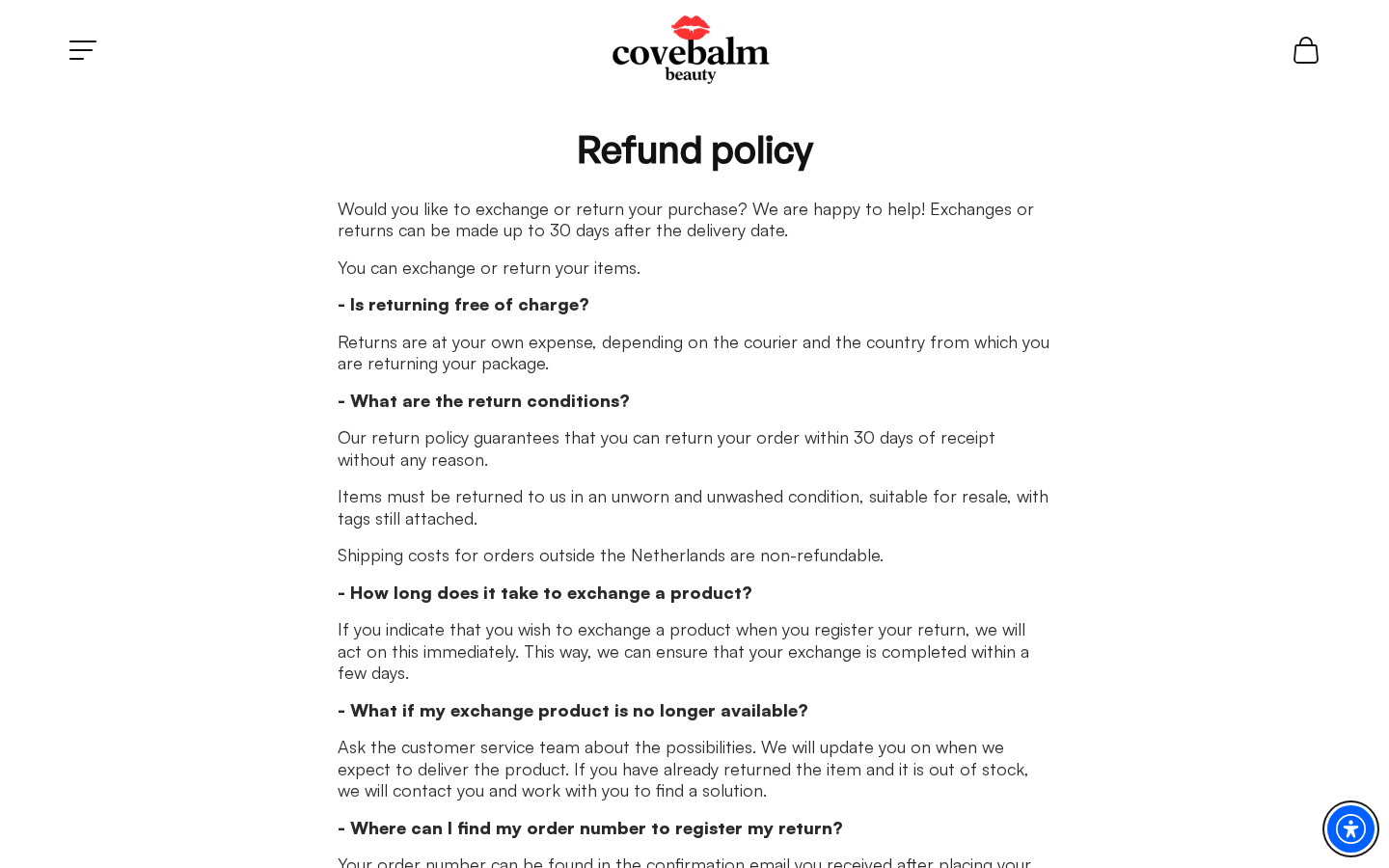
The refund policy reads partly like a clothing policy
The CoveBalm refund page requires unworn, unwashed items with tags attached. That wording does not clearly explain how a buyer can evaluate a cosmetic.
The same page uses delivery-based timing, while the terms refer to order fulfillment. Those events may happen on different dates.
Before paying, get clear answers to these practical questions:
- Can an opened skin tint qualify for the advertised guarantee?
- Does the deadline begin at shipment, fulfillment, or delivery?
- Must a return arrive by the deadline, or only be requested?
- Is the selected purchase a single order or a recurring arrangement?
- Where must the product be returned, and what expenses are excluded?
A membership policy is not proof of a hidden subscription
The terms discuss billing when someone signs up for a subscription, including cancellation through email or a user profile. That is a real provision worth checking.
But a subscription policy in the footer cannot establish what happened on a particular checkout. The selected option and order confirmation are more specific evidence.
Our conclusion is a commercial-risk warning: do not place the order until the cosmetic guarantee and any recurring plan are understandable in writing.
What the Marketing Does and Does Not Establish
The storefront combines cosmetic coverage promises with skincare language. Those are different kinds of benefits, even when they appear beside the same product photograph.
A tint might make a dark spot less visible while worn. That is not the same outcome as a lasting change after the makeup is removed.
When comparing reviews, ask what the person is describing: the finish, wear time, shade, skin comfort, or a longer-term skincare result.
These distinctions help you choose the right product without assuming a nice before-and-after presentation proves more than it shows.
The homepage also presents a dermatologist endorsement using a partial name. That alone does not let a shopper confidently identify the practitioner or verify the relationship.
Ask for the full professional name and the evidence behind the endorsement if it influences your decision. We are not claiming the person is fabricated.
Likewise, polished pictures do not establish AI generation. Lighting, retouching, compression, and ordinary studio production can also make product advertising look unusually smooth.
We did not obtain original media files or confirm how the photographs were produced. This investigation does not use appearance alone as evidence of deception.
How the CoveBalm Sales Funnel Works
Step 1: A light-coverage promise catches the right shopper
The pitch is aimed at someone who wants less effort and a more natural-looking finish. It offers an appealing alternative to a complicated makeup routine.
That desire is reasonable. The mistake would be allowing the appealing routine to answer unrelated questions about returns, ingredients, or future payments.
Make a short list of your nonnegotiables before shopping. These might include shade suitability, a readable ingredient label, an opened-product guarantee, and a one-time purchase option.
If the offer cannot meet those requirements clearly, enthusiasm about the finish should not override the missing information.
Step 2: Product explanations make coverage and care feel interchangeable
Skincare ingredients can give a cosmetic an additional selling point. Yet ingredient names alone do not establish the finished formula’s performance for your skin.
Look for the complete ingredient list rather than relying solely on selected ingredients in large promotional panels.
When a claim sounds like treatment rather than appearance, ask what product-specific evidence supports it. General information about an ingredient is not the same evidence.
Also check the actual coverage description. A lightweight tint and a full-coverage foundation can satisfy different shoppers, even if both photographs look flawless.
Step 3: Shade selection turns interest into an order
Once you choose a shade, inspect the whole order summary. The amount due should match the products, quantities, and extras you intended to buy.
A brush, setting product, or shipping add-on can change the total without changing the main cosmetic’s displayed price.
Do not assume any extra is preselected or mandatory unless your own checkout shows that. Remove unwanted items through the normal cart controls before paying.
For a small first purchase, avoid increasing quantity simply because an offer sounds temporary. Finding out that the shade is wrong becomes more expensive with multiple units.
Step 4: Membership language must match the selected payment option
Search the final purchase screen for a billing interval, refill quantity, renewal amount, or membership description. Read nearby explanatory text, not only the payment button.
The CoveBalm terms contain a two-business-day cancellation phrase tied to the next billing date. Its meaning should be clarified before you rely on a last-minute cancellation.
If you choose a recurring option, ask for its exact cutoff and save the next scheduled charge. A calendar reminder is useful only when the date is correct.
If you intend a single purchase, retain confirmation that no continuing plan was selected. Do not infer enrollment merely because the store offers memberships.
Step 5: Testing the cosmetic brings the guarantee into focus
When the package arrives, the questions become practical: can you open it, try the shade, and still request a refund if it disappoints?
The clothing-style wording does not answer that clearly. Obtain written instructions before using the product if refund eligibility is essential to your decision.
Keep the box, ingredient information, and receipt. Photograph a damaged or incorrect arrival before discarding anything that helps identify what was supplied.
A return request and a membership cancellation are separate tasks. Completing one should not be assumed to complete the other.
The Money-Back Promise Needs Cosmetic-Specific Instructions
A helpful cosmetics policy should explain opened items, shade mismatch, irritation, damaged packaging, and how customers obtain an authorized return destination.
Without those details, the buyer may learn the restrictions only after doing the very thing necessary to judge makeup: trying it.
This is why the wording matters. We are not alleging a tested refusal; we are identifying an unresolved condition in the seller’s published promise.
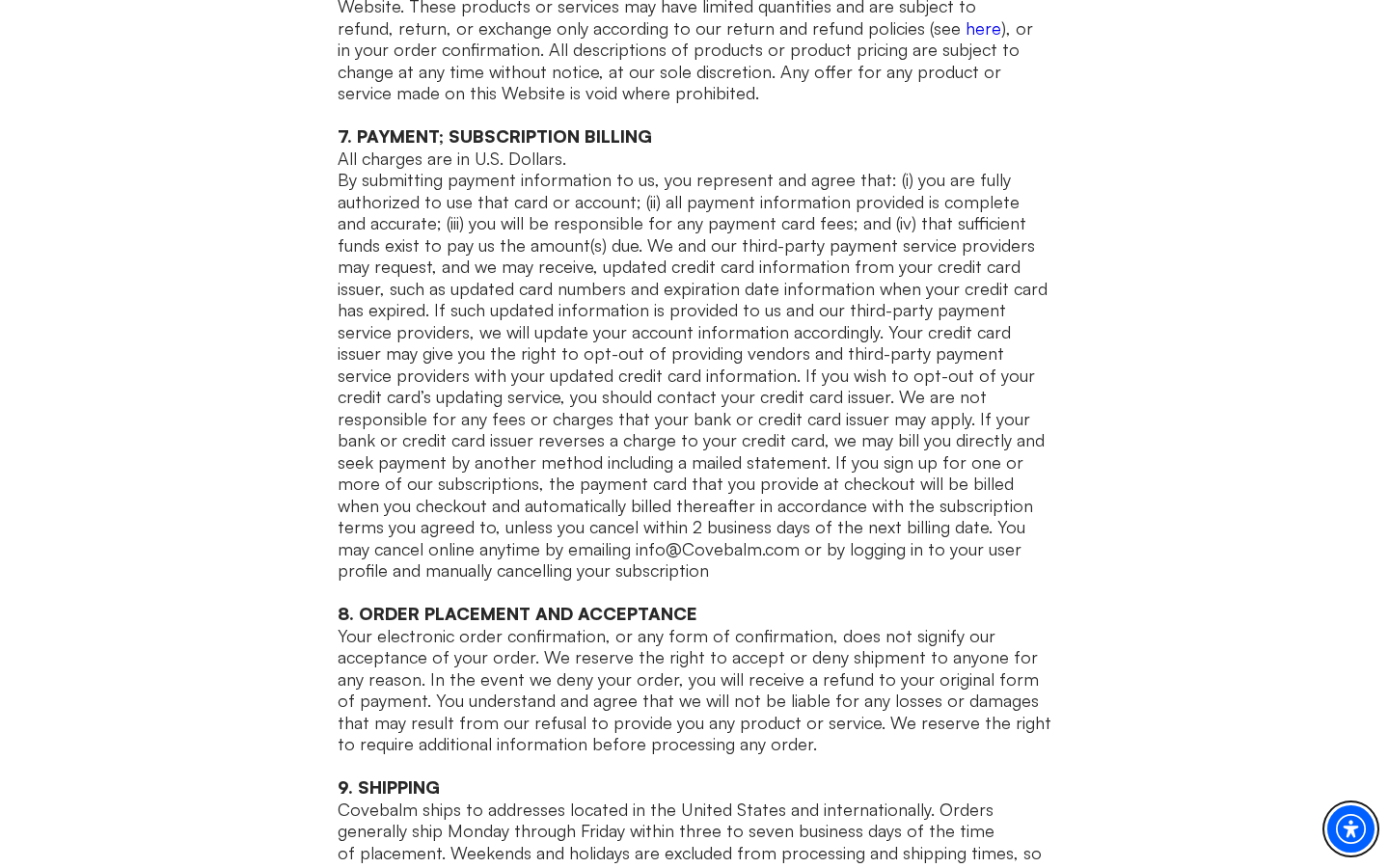
The shipping policy describes US and international delivery routes. A dispatch estimate is not the same thing as the date your parcel reaches you.
That difference makes the refund deadline trigger important. Ask the seller to confirm which event starts your eligibility period for the order you are placing.
When answering, support should also distinguish a request deadline from an arrival deadline. Otherwise, international postage can consume time a shopper believed was available for evaluation.
Company, Address, and Fulfillment Checks
KLNL LLC is the name the store publishes
The site identifies KLNL LLC in its contact information. Keep that name beside the brand when reviewing your receipt and payment descriptor.
We have not independently verified its complete corporate ownership or connected every similarly branded shop. A shared-looking design is insufficient for that conclusion.
Ask the business to identify the entity handling your order, membership, and refund. The answer should remain consistent across all three tasks.
The Casper listing is not an authorized return address
The published contact location is 5830 E 2nd St, Ste 7000 #17063, Casper, Wyoming 82609. We did not verify how that address is used.
Do not label it a fake address or factory based solely on its format. Equally, do not mail unwanted cosmetics there without authorization.
A contact address and a receiving warehouse serve different purposes. Get the actual depot, reference details, and postage responsibility from your seller.
Use support to resolve specific questions
CoveBalm publishes info@covebalm.com and +1 (307) 370-7815. The site lists weekday support hours, but we did not call or send a test message.
A displayed phone number should not be described as disconnected without a test. The important unanswered question here is the content of the return guarantee.
Ask about opened makeup, the deadline trigger, and membership status. Save the full response with its date instead of relying on a short verbal reassurance.
The cosmetic label should carry the product information
Shipping from a US warehouse does not establish where makeup was manufactured. We did not independently trace the factory or test the supplied formula.
Check the ingredient list, batch identification, responsible business details, and use instructions on the item you receive. Compare the product with the listing you saved.
If a label is unreadable or the product cannot be identified, contact the seller before using it. Missing traceability is a reason to pause, not proof of contamination.
What CoveBalm Reviews Can and Cannot Prove
A useful makeup review describes the shade, skin type, application method, lighting, and time worn. Those details help you decide whether the experience is relevant.
A star rating without context cannot answer how the product will behave on your skin or whether the seller’s return process is workable.
Look for consistency across the actual purchase journey, not simply consistent praise. Did the reviewer identify the merchant and distinguish a one-time order from a membership?
Someone can love the balm and still dislike the billing arrangement. Another person can dislike the shade without having encountered a scam.
Separate those issues when reading complaints. Product preference, unexpected charges, a broken guarantee, and an unanswered support request require different remedies.
Finally, do not let a review’s confident tone replace your checkout evidence. The option that person selected might differ from yours.
What to Do If You Ordered CoveBalm
- Check what your order actually contains.
Compare the confirmation with the quantity, shade, accessories, shipping charges, and total you expected. Save both the message and any available account summary.
Look for a next-billing date or refill description. If neither is clear, ask support to confirm whether there is an active membership.
- Cancel any unwanted continuing plan separately.
Use the store’s published profile or email route. State that you want future recurring charges stopped, not merely a refund for an existing parcel.
Request confirmation identifying the plan and its effective cancellation date. Keep a copy of the request even if an automated acknowledgment arrives immediately.
- Ask for cosmetic-specific return instructions.
Explain whether the item is unopened, tested, the wrong shade, damaged, or otherwise problematic. Request an answer that addresses its actual condition.
Ask when the deadline began and whether dispatch or receipt completes it. These questions help prevent an avoidable timing dispute.
- Preserve packaging and use caution with a reaction.
Keep the container and ingredient label. If the product appears to cause irritation, stop using it and seek appropriate advice from a healthcare professional.
Do not keep applying it merely to build a stronger complaint. Record what happened and when without diagnosing the cause yourself.
- Get authorization before paying return postage.
Obtain the full receiving address and any required reference. Confirm what refund amount is expected and which shipping expenses will remain yours.
Track the return and save delivery proof. A package mailed to an unapproved address may be difficult to locate or link to your request.
- Contact your card issuer about unresolved charges.
Provide a factual description of the payment problem and your cancellation or refund attempts. Ask about dispute deadlines and any recurring-payment controls available.
The terms mention card-update services. Do not assume replacing a card alone closes a subscription; ask the issuer how future merchant charges can be handled.
- Keep the complaint focused and protect your information.
Supply order details and a concise timeline, but never send a full card number or account password to someone claiming they need it for a refund.
If escalating to a consumer agency, attach the relevant policies and replies. Specific unresolved promises are more useful than unsupported claims about an entire company.
Frequently Asked Questions
Is CoveBalm a proven scam?
Our review did not establish fraud or counterfeit contents. It found unclear cosmetic return conditions, inconsistent deadline wording, and subscription provisions that buyers should investigate.
Does every CoveBalm purchase create a subscription?
No such universal finding was established. The terms cover subscriptions when selected, but your checkout and confirmation determine the arrangement attached to your particular order.
Can I return the balm after testing the shade?
The reviewed policy does not clearly resolve that question. Clothing-style conditions are a poor explanation for a cosmetic guarantee, so ask for written approval before relying on it.
Are the website images AI-generated?
We did not verify their production history. An overly polished appearance is not enough to distinguish AI imagery from retouched photography or other ordinary advertising techniques.
Is the Wyoming contact address the return warehouse?
That was not established. Use only the destination authorized for your order; do not treat a contact listing as permission to send merchandise there.
What should I do about a later unexpected charge?
Check the plan and receipt, request cancellation in writing, and contact the issuer if the payment remains disputed. Preserve evidence of what you selected and when you canceled.
The Bottom Line
CoveBalm reviews need to examine the purchase terms as carefully as the finish. A reassuring guarantee is less useful when opened-product eligibility and deadlines remain unclear.
Choose the balm only after confirming those conditions and the payment arrangement. If support cannot make them understandable, leave the order unplaced.








