

The d3d9.dll file is an essential component of the Microsoft DirectX software development kit (SDK). It plays a crucial role in rendering graphics and providing advanced multimedia capabilities for Windows-based applications and games. However, users may encounter errors related to the d3d9.dll file, which can cause crashes, performance issues, and other frustrating problems. In this article, we will explore what the d3d9.dll file is, common errors associated with it, and effective methods to fix these errors.
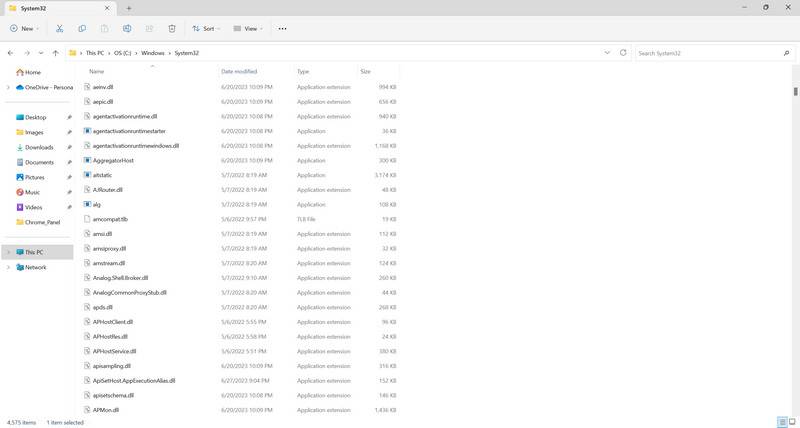
Understanding D3d9.dll
The d3d9.dll file is a dynamic link library file that belongs to the DirectX 9 API (Application Programming Interface). DirectX is a collection of APIs developed by Microsoft to handle multimedia-related tasks, including graphics rendering, audio processing, and input/output operations. The d3d9.dll file specifically focuses on graphics rendering and provides functions for 3D graphics acceleration.
DirectX 9 was released in 2002 and quickly became a widely adopted version due to its improved performance and compatibility with various hardware configurations. Many games and multimedia applications developed during that time rely on the d3d9.dll file to deliver high-quality graphics and visual effects.
Common D3d9.dll Errors
When the d3d9.dll file is missing, corrupted, or incompatible with the system, users may encounter various errors. Some of the most common d3d9.dll errors include:
- “d3d9.dll not found”
- “d3d9.dll is missing”
- “d3d9.dll crash”
- “d3d9.dll failed to load”
- “d3d9.dll is either not designed to run on Windows or contains an error”
These errors can occur due to several reasons, such as:
- Corrupted or missing d3d9.dll file
- Incompatible DirectX version
- Outdated graphics drivers
- Malware or virus infections
- Registry issues
Fixing D3d9.dll Errors
Now that we understand the importance of the d3d9.dll file and the errors associated with it, let’s explore some effective methods to fix these errors:
Method 1: Reinstall DirectX
One of the first steps to resolve d3d9.dll errors is to reinstall DirectX. This ensures that you have the latest version of DirectX installed on your system, which may resolve compatibility issues. Follow these steps to reinstall DirectX:
- Press the Windows key + R to open the Run dialog box.
- Type “dxdiag” and press Enter to open the DirectX Diagnostic Tool.
- In the System tab, note down your DirectX version.
- Visit the official Microsoft DirectX website and download the latest version compatible with your operating system.
- Run the downloaded installer and follow the on-screen instructions to complete the installation.
- Restart your computer and check if the d3d9.dll error is resolved.
Method 2: Update Graphics Drivers
Outdated or incompatible graphics drivers can also cause d3d9.dll errors. To update your graphics drivers, follow these steps:
- Press the Windows key + X and select Device Manager from the menu.
- Expand the Display adapters category.
- Right-click on your graphics card and select Update driver.
- Choose the option to search automatically for updated driver software.
- Follow the on-screen instructions to complete the driver update process.
- Restart your computer and check if the d3d9.dll error is resolved.
Method 3: Scan for Malware
Malware or virus infections can corrupt system files, including the d3d9.dll file. It is crucial to scan your system for malware using reliable antivirus software. We recommend using Malwarebytes Free, a trusted and effective antivirus tool. Follow these steps to scan for malware:
- Download and install Malwarebytes Free from the official website.
- Launch Malwarebytes and click on the Scan button.
- Select the type of scan you want to perform (Quick Scan is usually sufficient).
- Click on the Scan Now button and wait for the scan to complete.
- If any malware is detected, follow the on-screen instructions to remove it.
- Restart your computer and check if the d3d9.dll error is resolved.
Summary
The d3d9.dll file is a crucial component of DirectX 9, responsible for graphics rendering in Windows-based applications and games. However, users may encounter errors related to the d3d9.dll file, causing crashes and performance issues. To fix these errors, it is recommended to reinstall DirectX, update graphics drivers, and scan for malware using reliable antivirus software like Malwarebytes Free. By following these methods, users can resolve d3d9.dll errors and enjoy a smooth multimedia experience on their Windows systems.

Join the discussion
0 commentsShare your experience or ask a question about this article.
Your progress
Did these steps help?
Let us know how the guide worked for you.
Describe what you see and the step you reached. Keep passwords and other private information out.
Discussion
Start the conversation
Have a question or something useful to share? Add the first comment.