

When you purchase a Dell computer, you may notice that it comes pre-installed with various software and applications. One of these applications is the Dell Support Center, which is designed to help users troubleshoot and resolve issues with their Dell devices. However, many users wonder whether they should remove this software or keep it on their system. In this article, we will explore what the Dell Support Center is, its features, and whether it is necessary to have it installed on your Dell computer.
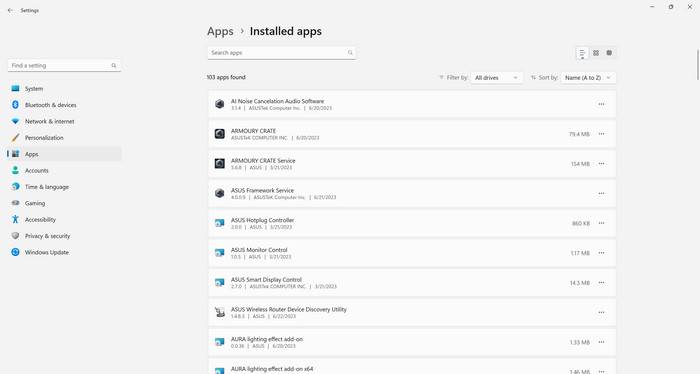
What is the Dell Support Center?
The Dell Support Center is a software application developed by Dell to provide users with a centralized location for accessing support resources and troubleshooting tools. It is designed to help users diagnose and resolve common issues with their Dell devices, such as hardware problems, software conflicts, and driver updates.
Some of the key features of the Dell Support Center include:
- Automated system scans to detect and resolve hardware and software issues.
- Access to Dell’s knowledge base, which contains articles and guides for troubleshooting common problems.
- Driver update notifications and downloads to ensure that your system is up to date.
- System optimization tools to improve performance and stability.
- Remote diagnostic capabilities, allowing Dell technicians to remotely access your system for troubleshooting purposes.
Should I Remove the Dell Support Center?
Whether or not you should remove the Dell Support Center depends on your specific needs and preferences. Here are some factors to consider:
1. Support and Troubleshooting
If you are someone who prefers to troubleshoot and resolve issues on your own, you may not find the Dell Support Center necessary. The software provides access to Dell’s knowledge base, which can be helpful for users who are not familiar with troubleshooting techniques. However, if you are confident in your ability to resolve issues without assistance, you may choose to remove the Dell Support Center.
2. System Performance
The Dell Support Center includes system optimization tools that can help improve the performance and stability of your Dell computer. If you frequently experience slow performance or system crashes, these tools may be beneficial to you. However, if you already have other optimization software installed or prefer to manually optimize your system, you may not need the Dell Support Center.
3. Remote Diagnostic Capabilities
One of the unique features of the Dell Support Center is its remote diagnostic capabilities. This allows Dell technicians to remotely access your system and diagnose issues without the need for you to bring your computer to a service center. If you value this convenience and are comfortable with remote access, you may want to keep the Dell Support Center installed. However, if you have concerns about privacy and security, you may choose to remove it.
How to Remove the Dell Support Center
If you have decided to remove the Dell Support Center from your Dell computer, there are a few methods you can use:
1. Uninstall via Control Panel
The most common method to remove the Dell Support Center is through the Control Panel. Here’s how:
- Open the Control Panel by searching for it in the Windows search bar.
- Click on “Programs” or “Programs and Features.”
- Locate the Dell Support Center in the list of installed programs.
- Click on it and select “Uninstall” or “Remove.”
- Follow the on-screen prompts to complete the uninstallation process.
2. Use a Third-Party Uninstaller
If you prefer a more thorough uninstallation process, you can use a third-party uninstaller tool like Revo Uninstaller Free. These tools can help remove any leftover files and registry entries associated with the Dell Support Center, ensuring a clean uninstallation.
Conclusion
The Dell Support Center is a software application that provides users with support and troubleshooting tools for their Dell devices. Whether or not you should remove it depends on your specific needs and preferences. If you prefer to troubleshoot issues on your own, have other optimization software installed, or have concerns about privacy and security, you may choose to remove the Dell Support Center. However, if you value the convenience of remote diagnostics and system optimization tools, you may want to keep it installed. Ultimately, the decision is yours to make based on your individual requirements.

Join the discussion
0 commentsShare your experience or ask a question about this article.
Discussion
Start the conversation
Have a question or something useful to share? Add the first comment.