

DewyTshirt’s catalogue makes it easy to picture a new outfit. Blazers, jeans, and discounted leggings sit behind the familiar controls of an ordinary clothing store.
The decision feels small while you are browsing. Before paying, check the arrangement that starts once the clothes are on their way.
Overview
The discount can remove the return option you expect
We recommend avoiding a speculative DewyTshirt sale purchase when fit is uncertain. Its promotional-discount exclusion makes an unwanted bargain potentially difficult to return.
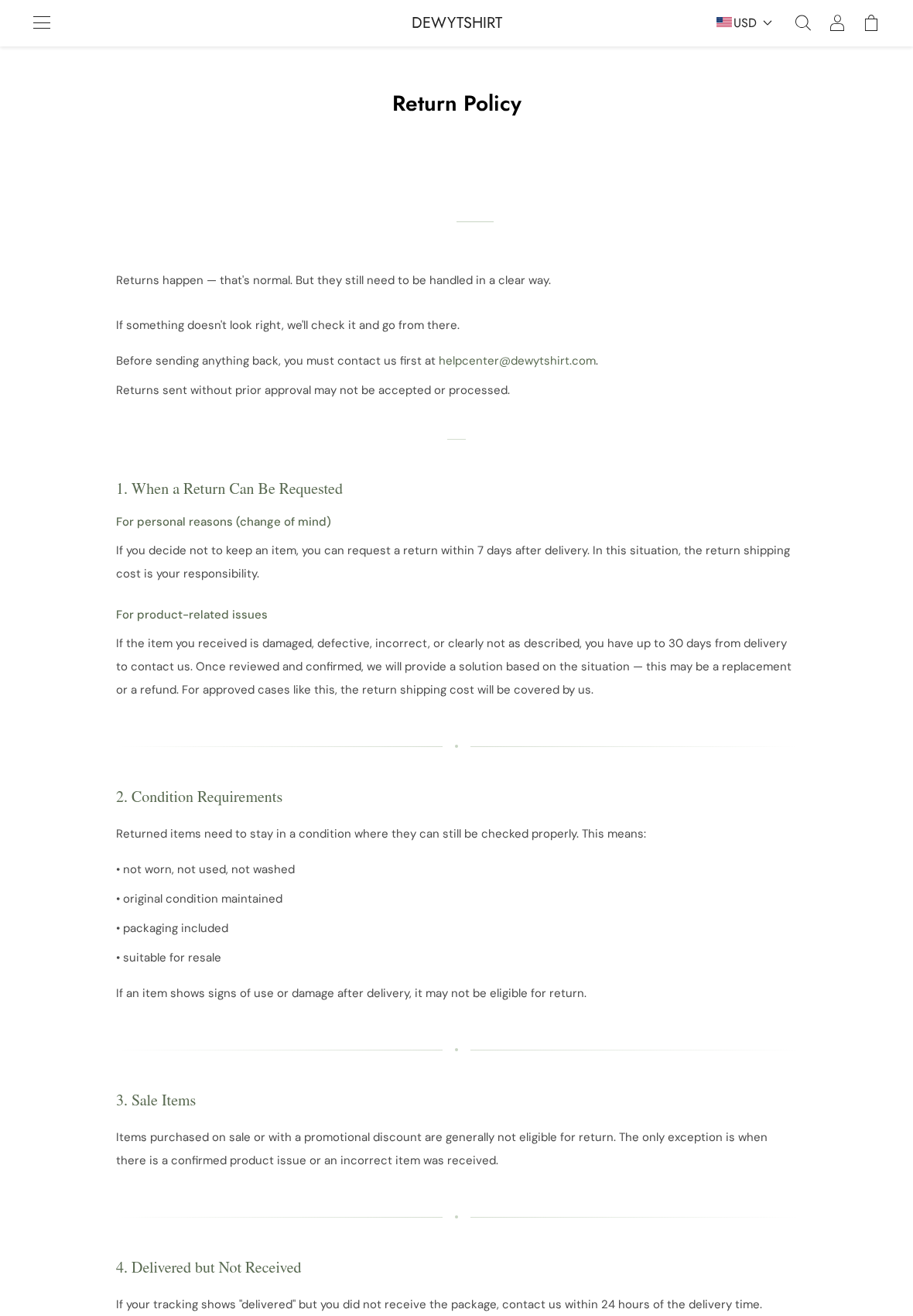
The published return policy generally excludes sale or promotional-discount items from returns unless a confirmed product problem or incorrect delivery applies.
For eligible change-of-mind purchases, the request window is only seven days after delivery. The buyer pays the return shipping.
These are the merchant’s written conditions, not a legal ruling that every clause overrides applicable consumer protections. They still matter when evaluating the offer.
Delivery and return logistics are not settled by the catalogue
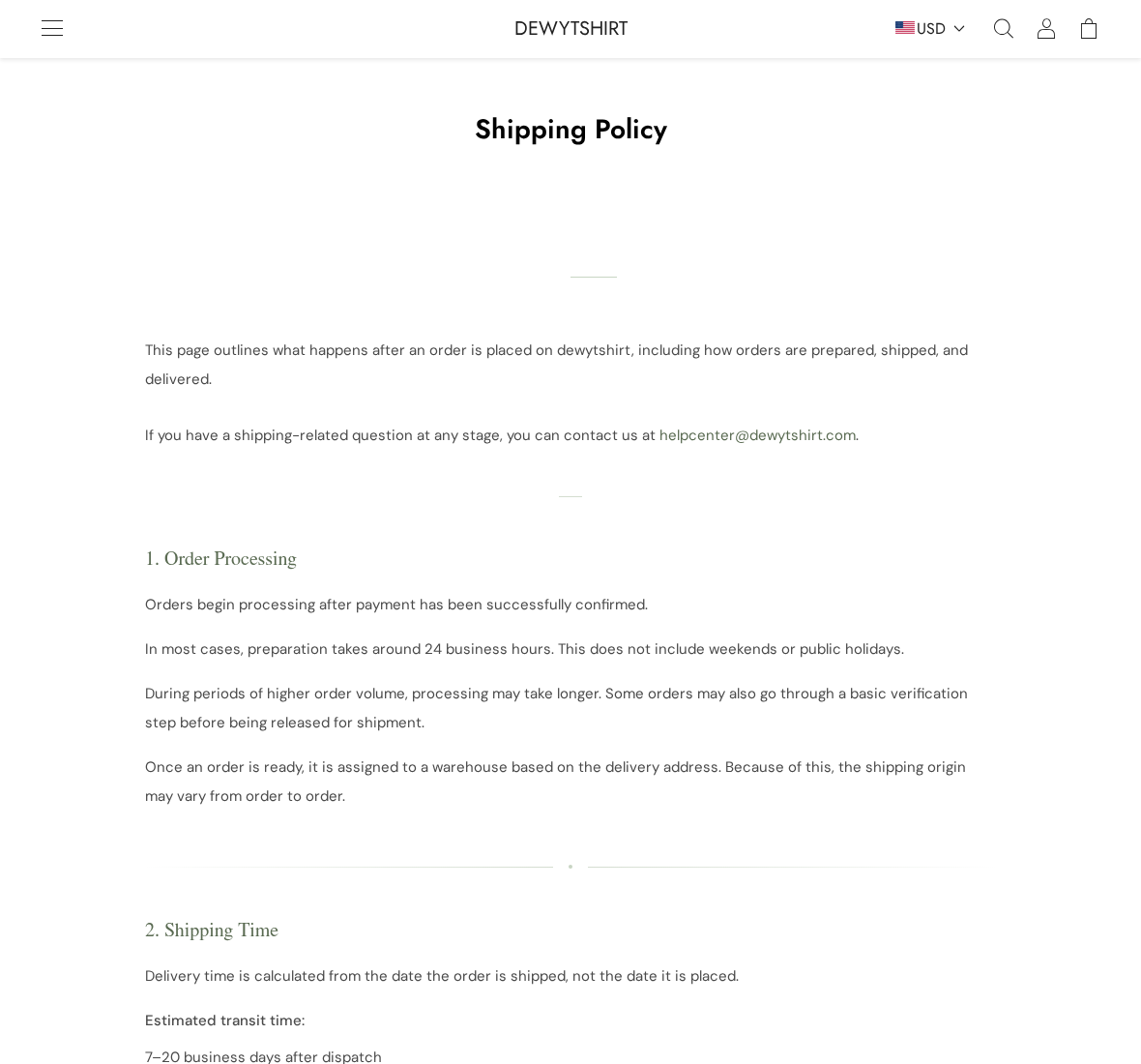
The shipping policy estimates seven to twenty business days after dispatch, with preparation occurring separately. It describes warehouses selected according to the delivery destination.
The return page says there is no single fixed return address. Instructions are provided after the customer contacts support and the request is reviewed.
That leaves the cost and destination of a possible return unknown when the buyer is choosing a size. The legal address in the terms is not automatically that destination.
- Preference return: request within seven days of delivery when the item qualifies.
- Discount restriction: promotional or sale purchases generally excluded except confirmed product problems or wrong items.
- Product-issue route: contact within thirty days for damaged, defective, incorrect, or substantially misdescribed goods.
- Delivery concern: transit estimates start at dispatch, not payment.
- Address concern: the authorized return location must be obtained individually.
The evidence supports a buyer-risk investigation, not a blanket scam finding
The website operates a substantial catalogue and names a company in its terms. We checked the public pages on October 8, 2026.
We did not order clothes, test support, authenticate company occupancy, or establish a parcel’s country of origin. We also performed no AI-image analysis.
The recommendation follows the actual purchase conditions. It does not depend on declaring every product fake or assuming that all orders involve fraudulent charges.
If you already bought something, use your receipt and the saved policy to identify the issue. A correct product and an unauthorized charge are different situations.
Why This Matters When Shopping for Clothes
Clothing is hard to assess from a screen. Measurements, fabric, stretch, lining, and cut all affect whether an item works for the person buying it.
That makes a usable return arrangement part of the product’s value. A low price can lose its appeal if the garment cannot be exchanged or returned.
DewyTshirt’s catalogue includes items described as sale purchases. For example, the inspected Black Cropped Blazer appeared at $25.40 beside a higher $52.89 figure.
The page showed a 52% reduction. We did not authenticate a history of sales at the comparison price or establish that every sale-price label indicates a genuine discount.
The practical question is whether the advertised discount affects eligibility under the return policy. Ask before assuming you can simply send an unsuitable blazer back.
For uncertain fit, request garment measurements rather than relying only on S, M, or L labels. Keep the seller’s size chart with your order information.
A photograph should also be compared with a material description. It does not prove fiber content, construction, or what a delivered batch will feel like.
We did not verify that the catalogue photos were copied, licensed, or generated. Do not turn a familiar-looking image into an unsupported counterfeiting accusation.
How the DewyTshirt Sales Funnel Works
Step 1: A broad fashion catalogue makes the storefront feel established
The site presents categories including tops, dresses, outerwear, bottoms, and accessories. Familiar names and shopping controls make browsing straightforward.
A large assortment can suggest an established retailer, but it does not by itself identify local inventory or the business behind the merchandise.
Read the product details before carrying that first impression into a purchase. Fit, materials, selected options, and return eligibility need their own answers.
The terms say some variations in appearance, texture, stitching, or batches are not treated as defects.
That wording should encourage a precise product description, not acceptance of any discrepancy. Save the statements that define what you are ordering.
If an essential characteristic is absent, ask about it. A catalogue photograph should not make an unexpressed material or quality promise on the merchant’s behalf.
Step 2: The sale price encourages the decision before the exclusion is considered
Discounts appear across the inspected catalogue. They can make trying an unfamiliar item feel inexpensive enough to justify taking a chance.
However, the return exclusion applies generally to sale or promotional-discount purchases. The apparent bargain may come with less flexibility than the buyer assumes.
That matters for clothes bought without a fitting room. The decision is not simply whether the reduced amount seems reasonable.
Ask whether a specific discounted item can be returned if the size or cut is unsuitable. Obtain an answer about that item, not the store’s general willingness to help.
Do not infer an exception from a reassuring response that does not address the exclusion. Request the condition in writing before payment.
If flexible fit returns are important and the seller cannot confirm them, leave the purchase. A discount does not make that missing option less important.
Step 3: Checkout should establish the full order, not just the garment price
The site’s terms explain that shipping, taxes, or other applicable charges are calculated separately during checkout. The catalogue does not establish a universal delivered total.
We did not submit a purchase or billing details. No actual charged amount, payment-provider behavior, or subscription arrangement was tested.
Before authorizing your own order, check the item name, count, size, color, billing currency, shipping, and the complete amount.
Retain the selected options and confirmation, particularly when several similar garments appear in the catalogue. The product you intended and the order accepted must agree.
The merchant name on a card statement may differ from the storefront label. That difference needs an explanation, not an automatic fraud conclusion.
Likewise, a payment logo does not validate a clothing description or make every return free. It identifies part of the transaction infrastructure.
Step 4: Preparation and transit can take longer than an initial impression
The shipping policy describes preparation of around twenty-four business hours after payment confirmation. Higher order volume or checks may extend that stage.
It then estimates seven to twenty business days of transit after dispatch. The clock does not start when you first click the purchase button.
Business days and calendar days are also different. A shopper needing clothes for a particular occasion should clarify the complete timeline beforehand.
The policy mentions varying warehouse locations, possible separate shipments, customs delays, and recipient-paid duties where applicable. We did not verify a specific dispatch country.
These conditions leave room for an order to behave differently from a local retail delivery. Confirm the arrangement rather than inferring it from the listed California company address.
The screenshot below preserves the preparation and transit explanation. It is evidence of the written policy, not a measured shipping delay.
Step 5: The return category determines the initial request
The policy separates an unwanted item from one that is damaged, defective, incorrect, or clearly not as described.
For a qualifying product issue, customers have thirty days from delivery to contact the store. After review, the proposed remedy may be replacement or refund.
The seller says it covers return postage for approved product-issue cases. That is different from the buyer-paid cost attached to an eligible preference return.
Do not describe the policy as refusing every remedy. But do not assume its product-problem exception automatically covers personal dissatisfaction with a correctly described garment.
A documented difference from the listing is stronger than a general statement that the clothes are disappointing. Use photographs and measurements where relevant.
Nor should the written conditions be treated as the final word on statutory rights. Ask your payment provider or an appropriate adviser about the specific unresolved transaction.
Step 6: Approval and an individual destination control the return process
Customers must contact helpcenter@dewytshirt.com before mailing anything back. The policy warns that an unauthorized return may not be accepted or processed.
It also states that the store does not operate a single fixed return address. Instructions are provided after reviewing the particular request.
That prevents a reliable advance calculation of postage unless the merchant supplies the destination. It also makes authorization essential.
The rules require the item to remain unworn, unused, unwashed, and in its original condition with packaging. Preserve that condition while resolving uncertainty.
Refunds are described as processing after receipt and inspection, with a further payment-provider interval possible. An email request is not the same as a completed refund.
Ask for the expected amount and what steps remain. Keep tracking and confirmation so the process does not depend on an unsupported assurance that everything is underway.
Company, Address, and Fulfillment Checks
The terms name FANINM INC, which is a useful starting point
The reviewed terms identify FANINM INC as the company name and provide a Fresno, California address. That is more information than a trading name alone.
However, we did not independently authenticate its registration or establish that it controls every catalogue asset, warehouse, or support interaction.
Ask which legal entity accepts your order and how that identity appears on the receipt. Compare it with the merchant description on your payment record.
A named corporation should be investigated accurately. The presence of an unfamiliar company is not, by itself, evidence that the company is fictitious.
The Fresno address is not an authorized returns destination by default
The stated address is 2590 N Grove Industrial Dr, Suite 109, Fresno, California 93727. We did not verify the suite’s current occupancy.
The contact page says support is online-only and there is no offline location for visits or pickup.
The return page separately requires individual instructions. Those statements do not establish that customers should bring or post goods to the company address.
Do not label the suite a factory or fulfillment center without evidence. Obtain a complete, approved destination for your own transaction before returning clothes.
The published support promise has not been performance-tested
DewyTshirt lists helpcenter@dewytshirt.com and a live-chat route. It describes chat availability around the clock, while acknowledging that replies may not be immediate.
Email responses are generally described as taking one to two business days or up to forty-eight hours during busier periods.
We did not send a message or test those estimates. There is no basis here for claiming the channel never replies.
A buyer should still ask how a time-sensitive request is acknowledged. Keep a copy of the first message rather than relying on the availability slogan.
Changing warehouses do not establish a specific country of origin
The policy describes warehouses selected according to destination. It also allows separate shipments when stock and warehouse locations differ.
That arrangement does not authenticate a local stockholding operation. It also does not prove that every order comes from China.
The domain registry dates dewytshirt.com to May 27, 2026. Domain age is not the company’s formation date or a delivered garment’s manufacturing record.
For a material origin or quality claim, request the actual garment label and supplier information. Do not use a U.S. address as a substitute.
Short Deadlines Make Early Documentation Important
The policy asks customers to report a parcel marked delivered but not received within twenty-four hours. That is a particularly short stated reporting requirement.
Monitor tracking when an order is approaching delivery. If the status conflicts with what happened, record it and contact support promptly.
The terms also discuss transfer of shipping risk after carrier handover. We are reporting that clause, not deciding its legal effect for every customer.
It should not stop you from documenting non-delivery or seeking advice from the payment provider. A merchant’s wording and your available remedies are separate questions.
For ordinary fit concerns, avoid spending the seven-day request period deciding whether the return rules apply. Ask immediately and preserve the item’s condition.
What to Do If You Ordered From DewyTshirt
Your next step depends on the actual problem. Organize the evidence while the order, delivery status, and garment condition are still easy to document.
-
Check the confirmation for the item you intended. Preserve the listing, measurements, selected size and color, price, discount status, and payment record.
If something is wrong before dispatch, request correction or cancellation promptly. Keep the merchant’s answer and any revised confirmation.
-
Watch the complete delivery timeline. Ask when dispatch occurred, which carrier is involved, and which tracking reference applies to each parcel.
Report a delivered-but-missing status quickly with screenshots. Explain what happened without assuming that a tracking label settles actual receipt.
-
Inspect the clothes before wearing or washing. Photograph tags, packaging, measurements, defects, and material differences from the saved description.
Keep the garments in returnable condition. The evidence should distinguish a personal preference from damage, an incorrect item, or a substantial listing mismatch.
-
Request the remedy appropriate to that category. Refer to the relevant deadline and ask whether a promotional-discount exclusion affects the specific item.
For a confirmed product issue, request the proposed replacement or refund and postage arrangement. Do not assume every request receives the same solution.
-
Obtain authorization before shipping anything back. Ask for the complete destination, deadline, required documents, refund amount, and who pays tracked postage.
Keep the parcel receipt and delivery confirmation. The Fresno address should not be substituted for transaction-specific instructions.
-
Escalate an unresolved documented transaction. Contact the card issuer or payment service with the receipt, policy copies, photographs, and support correspondence.
Ask about available dispute options and timing. Do not allow repeated open-ended replies to consume the period available for independent help.
Frequently Asked Questions
Is DewyTshirt conclusively established as a scam?
No. This review identifies restrictive purchase conditions and unresolved verification points. Avoid uncertain-fit sale purchases when the applicable return arrangement remains unclear.
Can I return a discounted item because I dislike the fit?
The reviewed policy generally excludes discounted purchases from preference returns. Its exception concerns confirmed product problems or incorrect deliveries. Ask about the exact item before payment.
Is every return limited to seven days?
No. Seven days concerns eligible preference requests. The stated product-issue contact period is thirty days, with a remedy following review.
Does seven-to-twenty-day shipping start when I order?
No. The policy counts transit from dispatch and describes preparation separately. Treat the range as an estimate rather than a guaranteed arrival date.
Can I mail the return to the company address in Fresno?
Do not do that without authorization. The store requires individual return instructions and does not publish one fixed destination for every order.
How should I handle a parcel marked delivered but missing?
Save the status and contact support immediately. The policy asks for a report within twenty-four hours. Keep the evidence for the carrier and payment provider too.
The Bottom Line
DewyTshirt’s sale prices need to be weighed against the return exclusion, short preference window, and uncertain return logistics. Do not gamble on fit without a clear answer.
If you ordered, document delivery and inspect the clothes promptly. Request the specific remedy, preserve their condition, and protect your options with the payment provider.








