

Drake is one of the biggest names in music today. With over 150 million records sold worldwide and 100 million followers across social platforms, Drake has massive popularity and influence around the globe. This unfortunately also makes him a prime target for scammers seeking to exploit his fame.
In recent months, a new type of cryptocurrency scam has emerged using AI-generated deepfake videos of Drake promoting fake Bitcoin giveaways. The fraudsters are running an elaborate ploy across sites like YouTube, TikTok and Facebook, using doctored footage showing Drake telling fans they can earn free crypto by signing up on shady exchange websites and using a special promo code.
This guide will provide an in-depth analysis of how this scam works and the tactics used by criminals to deceive Drake fans. We’ll outline how to detect these fraudulent promotions, steps to take if you lost money, and key strategies to avoid falling victim to this insidious scam.
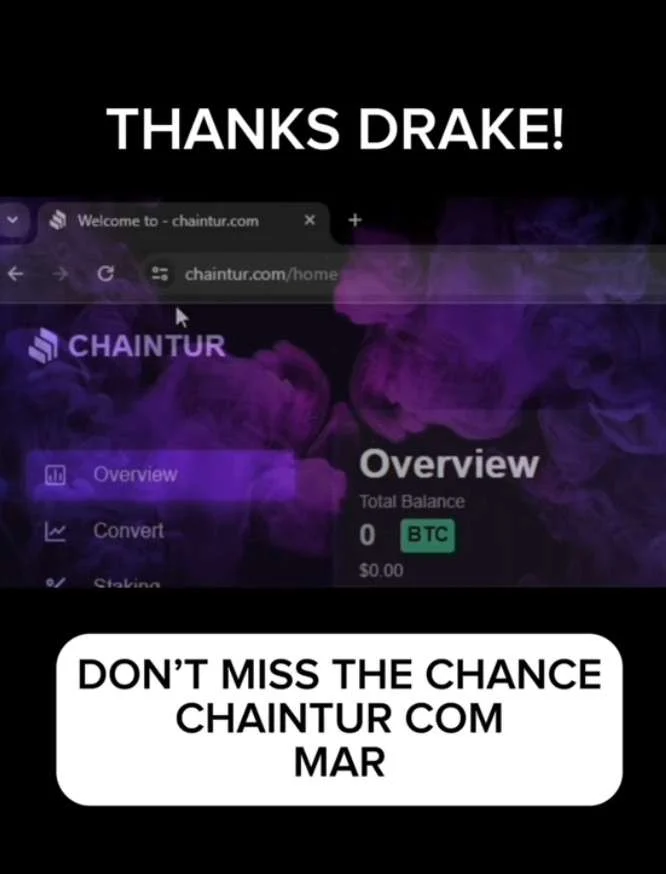

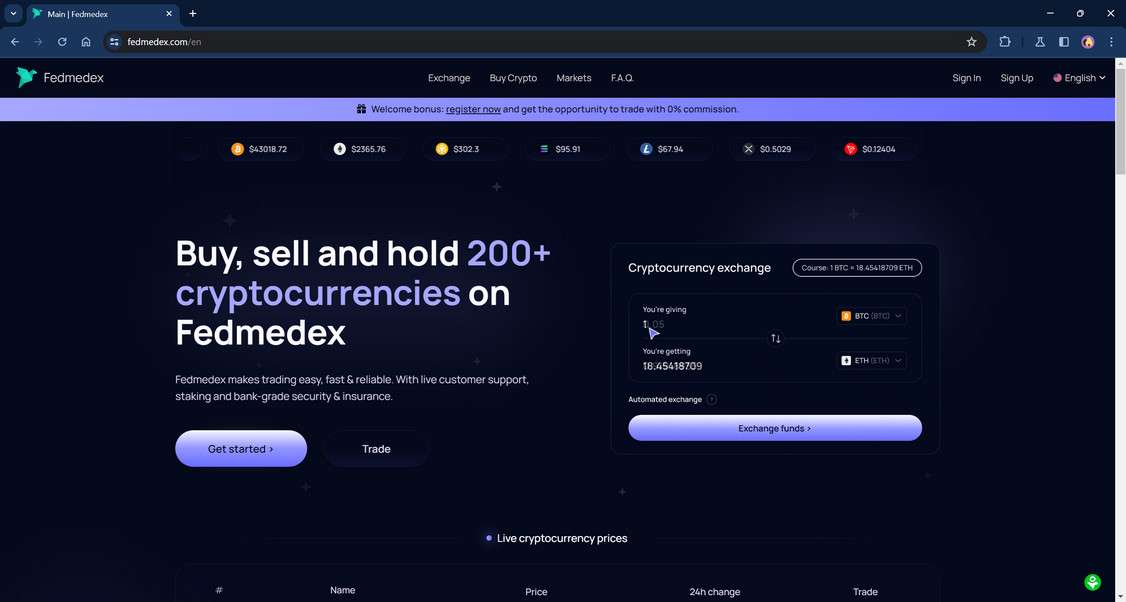

Overview of the Drake Bitcoin Promo Code Scam
Drake’s fame and influence as a top musician makes him an ideal target for scammers seeking to exploit his reputation. A new cryptocurrency scam has emerged using deepfake videos of Drake promoting fake Bitcoin giveaways. This extremely deceptive fraud has already defrauded many victims out of millions in stolen crypto deposits.
The scam works like this:
Fraudsters create and distribute fake videos on sites like YouTube, TikTok and Facebook showing Drake apparently endorsing a Bitcoin giveaway linked to a cryptocurrency trading platform. The deepfakes leverage advanced AI to replace Drake’s face and voice with a high degree of realism that makes them appear totally genuine.
In the videos, Drake provides step-by-step instructions for claiming free Bitcoin. Viewers must first create an account on the recommended crypto exchange site. Next, they need to enter a special promo code – often something like “DRAKE” or “OVOCOIN” related to Drake’s personal brand.
By using this code, Drake claims users will receive a bonus Bitcoin deposit worth around 0.31 BTC credited to their exchange account. To withdraw the funds, they simply need to complete ID verification by making a minimum deposit of 0.005 BTC, which will activate withdrawal capabilities.
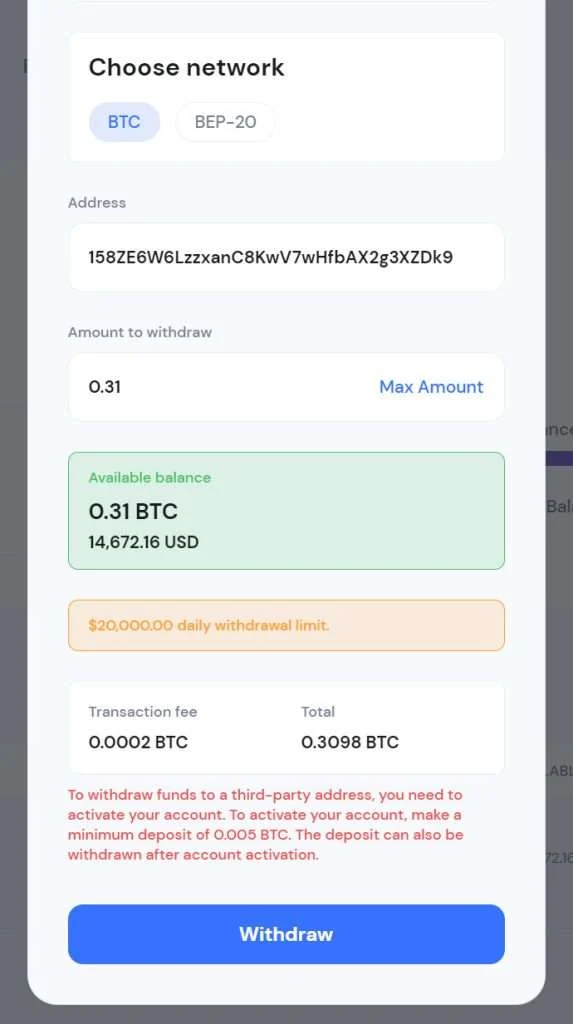
This is the bait. The cryptocurrency platforms promoted are completely fake sites controlled by scammers. When users submit real Bitcoin deposits, the funds go directly into the fraudsters’ wallets. The “verification” requirement is only a technique to steal genuine crypto assets.
Some examples of the fraudulent domain names used include:
- Drakex.com
- Ovocoin.com
- DrakeTokens.com
- Champagnepapiexchange.com
Although appearing legitimate initially, these websites do not enable any actual trading or transactions. The account dashboards showing “bonuses” are totally fabricated. Once victims make a real deposit, they lose all access to their accounts.
The criminals aggressively promote the fake Drake endorsement videos on platforms like YouTube, TikTok, Instagram and Facebook. They often buy video ads to target the videos at hip hop fans, music lovers and cryptocurrency communities who are more likely to fall for the ruse.
According to the Federal Trade Commission, losses from these types of celebrity-endorsed crypto scams now top $80 million. The FTC warns: “Scammers are capitalizing on the hype surrounding cryptocurrencies like Bitcoin…Don’t take investing advice from a social media influence. These schemes only exist to take your money.”
With cryptocurrency gaining mainstream adoption, this scam exploits public trust in stars like Drake combined with interest in crypto trading and investing. While the deepfake technology continues advancing, education is the best defense.
This guide will provide an in-depth breakdown of how the scam operates and what techniques the scammers utilize to deceive Drake fans into sending crypto deposits. Keep reading to learn more about identifying and avoiding fake celebrity-fronted crypto promotions aiming to steal your hard-earned funds.
How the Drake Bitcoin Promo Code Scam Works
The criminals rely on convincing fake videos, psychological tricks and technical subterfuge to perpetrate this fraud. Here is an in-depth look at the process:
Step 1: Produce Fake Drake Endorsement Videos
The scammers use two key techniques to create videos that appear to show Drake promoting the scam:
- Deepfake technology – Sophisticated AI swaps Drake’s face/voice into existing footage. The deepfakes are incredibly realistic.
- Voice synthesis – The fraudsters take real Drake interviews and use voice mimicking software to make it seem like Drake is narrating an endorsement script.
In both cases, a simulated Drake addresses viewers directly, describing a Bitcoin giveaway opportunity in collaboration with a cryptocurrency platform. He provides a unique promo code (e.g. “DRAKE”, “OVOCOIN”) to claim bonus crypto.
Step 2: Distribute Videos on Social Media
Once created, the fake Drake videos spread across YouTube, TikTok, Instagram and Facebook through two methods:
- Paid ads – The videos are promoted as YouTube/Facebook ads targeting music fans and crypto communities.
- Hashtag campaigns – Scammers use related hashtags about crypto investing, music, and Drake to make the videos go viral on TikTok/Instagram.
Mass distribution ensures maximum reach and exposure to potential victims.
Step 3: Drive Traffic to Fake Crypto Sites
The videos contain links to direct viewers to fraudulent cryptocurrency exchange websites set up by the scammers. Site domains follow naming patterns like Drakex.com, Ovocoin.com, DrakeTokens.com etc.
Despite appearing legitimate, these sites merely exist to harvest deposits from victims’ crypto wallets into the scammers’ accounts. No actual trading occurs.

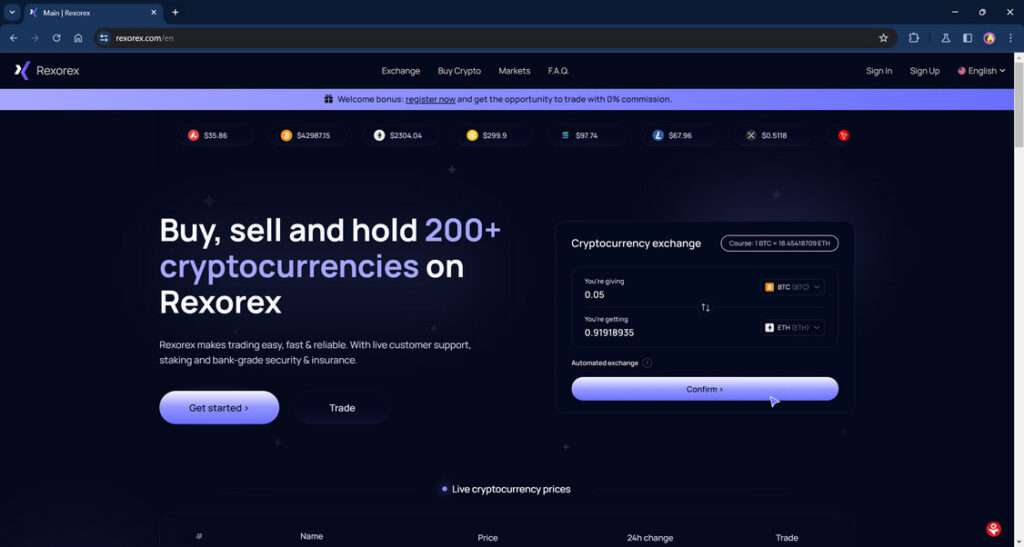


Step 4: Instruct Viewers to Enter Promo Code
After registering on the fake crypto trading platforms, users are prompted to enter the promo code mentioned in the Drake video. Common codes include “DRAKE”, “OVO”, “SCORPION” or similar plays on Drake’s personal brand.
By entering the code, victims believe they will receive free Bitcoin per Drake’s endorsement. In reality, this just guides them deeper into the scam funnel.
Step 5: Display Fake Bonus Balance
Upon entering the promo code, the scam website shows a balance of around 0.31 BTC added to the user’s account dashboard. This makes it seem like the code added bonus Bitcoin into their wallet.
But the balance is completely fabricated. No real crypto is deposited. It is only simulated to convince victims the code worked.
Step 6: Block Withdrawals Until Minimum Deposit
When attempting to withdraw the fake bonus balance, victims receive a message stating:
“To withdraw funds, you must first activate your account by making a deposit of 0.005 BTC. This deposit can be withdrawn afterwards.”
This tricks users into depositing real crypto funds to “activate” withdrawals. In actuality, this deposit goes straight to the scammers’ wallets.
Step 7: Disable Accounts After Collecting Deposits
Once sufficient funds are collected from victims, the scammers suddenly disable all user accounts and take the fake sites offline. Victims completely lose access and are unable to recover deposits.
The cycle then repeats with the fraudsters creating new sites and videos impersonating Drake to lure the next wave of victims. Meanwhile, stolen assets are laundered and cashed out through various dark web techniques.
This allows the criminals to operate indefinitely, as long as they can convincingly impersonate celebrities like Drake to keep the scam going.
How to Spot the Drake Bitcoin Promo Code Scam
With scammers constantly finding new ways to exploit interest in cryptocurrency and admiration for celebrities like Drake, it’s crucial to be able to identify deceptive promotions targeting fans.
Here are key signs to watch for to detect the fake Bitcoin giveaway ads before becoming a victim:
- Too good to be true offers – Be skeptical of any promotion promising free or bonus Bitcoin funds just for signing up on a website. Scammers use this to entice victims. Legitimate platforms do not give away cryptocurrency.
- Aggressive urgency tactics – Scam promotions insist you must act fast by claiming bonus Bitcoin before an deadline expires. This creates pressure to skip proper vetting in the rush.
- Directing to unverified crypto platforms – Research any exchange site mentioned thoroughly before providing personal info or depositing. Many use lookalike domains of real brands but are fake.
- Requests deposits before withdrawals – Genuine crypto platforms never demand you deposit first before allowing withdrawal of account balances. This is a huge red flag of fraud.
- No mention of risks – Real cryptocurrency promotions always cite the volatile nature of crypto markets and investing risks. Scams portray free money through bonuses.
- Text and video don’t match – Some scams use voiceover narration about bonuses dubbed over Drake’s actual interview answers about unrelated topics.
- No other online mentions – There’s no media coverage or chatter about Drake making such an endorsement. Scams rely on fabricating the entire promotion.
- Odd social media engagement – Scam videos often have comments disabled and use bot accounts/hashtags to create artificial engagement.
- Poor deepfake quality – While some fakes are highly realistic, lower quality edits expose glitches like mismatched skin tones or blurry edges.
Stay vigilant about any viral celebrity cryptocurrency endorsement that exhibits red flags. Verify authenticity through the athlete or celebrity’s official site/accounts before interacting or providing personal information. If something seems questionable, it’s best to simply avoid it.
What to Do If You Lost Money in the Scam
If you were deceived into sending cryptocurrency deposits to one of these fake platforms promoted using fake Drake videos, here are crucial next steps:
- Contact the real cryptocurrency platform: If the scam used the name/brand of a legitimate cryptocurrency company, contact them immediately. Explain you were defrauded by an imposter website and see if they can stop the transactions or trace the scammer’s wallet address.
- Report the fraud website: Look up the domain on Whois to find the site owner details. File reports about the scam website with ICANN and the web host listed in the Whois record.
- Inform your bank and credit card provider: If you purchased cryptocurrency using a credit card or bank account prior to depositing it into the scam site, let your financial institution know what happened right away. They may be able to reverse the transactions.
- Report to authorities: File reports about the crypto scam with agencies like the Federal Trade Commission (FTC), Securities and Exchange Commission (SEC), Internet Crime Complaint Center (IC3), and your local law enforcement. Provide all details about how the scam worked, fraudulent sites/accounts, and any tracing information you uncovered.
- Watch out for recovery scams: Beware follow-up contact from people claiming they can recover your lost crypto funds. This is nearly always another scam tactic to steal even more money from victims. Only work with legitimate law enforcement officials.
- Spread awareness about the scam: Share your experience through social media posts, complaints on consumer sites, and by commenting on the scam YouTube/TikTok videos. Make the truth heard to protect others from falling for false celebrity endorsements.
While recovering lost funds is very difficult after crypto deposits leave your wallet, taking quick action can increase the chances. Document everything about the scam, stay vigilant against further exploitation of your information, and never pay an alleged “recovery expert” upfront – legitimate help will never ask for money first.
Frequently Asked Questions About the Drake Bitcoin Promo Code Scam
The elaborate cryptocurrency scam exploiting Drake’s fame to promote fake Bitcoin giveaways raises many questions for the public. This FAQ guide provides answers to help you recognize, avoid and report these fraudulent promotions targeting fans.
What exactly is the Drake Bitcoin promo code scam?
This is a deceptive cryptocurrency scheme using deepfake videos of Drake to deceive people into depositing money on fake crypto trading platforms. Scammers create and distribute videos making it seem Drake is endorsing a Bitcoin giveaway.
The deepfakes show Drake instructing viewers to use a promo code like “DRAKE” on a recommended crypto exchange site to claim free Bitcoin. But the platforms are phony, designed to steal deposits.
How do the scammers make the fake Drake videos?
They primarily use two techniques:
- Deepfake technology seamlessly replaces Drake’s face/voice with a high degree of realism.
- Voice synthesis software can precisely mimic Drake’s voice and sync it to real interview footage.
Both approaches leverage AI to convincingly simulate Drake promoting the scam offer.
Where do the scammers spread the fraudulent videos?
The videos proliferate via paid ads and hashtags on major social platforms:
- YouTube and Facebook ads target hip hop fans and crypto enthusiasts.
- TikTok and Instagram campaigns use relevant music/crypto hashtags.
Mass distribution gives the scam ample reach to catch more victims.
What happens when people use the promo code?
Entering the code on the fake crypto platform generates a bonus Bitcoin balance in the user’s dashboard. This fools targets into thinking the code added free crypto to their account.
But the balance is totally fabricated. No actual Bitcoin is deposited.
How do the fraudsters ultimately steal money from victims?
When users attempt withdrawing the fake bonus balance, a message states they must first deposit 0.005 BTC to “activate” withdrawals. This tricks victims into sending real crypto funds the scammers steal.
What are signs of a fake celebrity cryptocurrency endorsement?
Watch for these red flags:
- Extremely generous giveaways requiring little user effort.
- Aggressive urgency to act fast before an expiration date.
- Directing to unverifiable crypto exchanges.
- Mandating deposits first before any withdrawals.
Do your own research before participating.
What are some examples of the fraudulent crypto platforms?
Known fake domains include:
- Drakex.com
- Ovocoin.com
- Champagnepapiexchange.com
Vet licenses, reviews, certifications carefully before providing personal info.
What should I do if I was deceived by this scam?
- Contact your bank/credit card provider if applicable.
- Report the fraud to authorities and regulators.
- Alert social media sites hosting the videos.
- Spread awareness about the scam publicly to protect others.
Work quickly to trace funds and take down scam accounts/sites.
How can I avoid becoming a victim of the Drake Bitcoin scam?
- Verify celebrity endorsements independently before acting.
- Thoroughly research any crypto platform mentioned.
- Never make deposits solely to “activate” free funds.
- Use strong unique passwords and two-factor authentication.
- Report suspicious videos or accounts.
Stay vigilant as scams exploiting celebrities and crypto hype proliferate.
Why are scammers impersonating Drake for this?
Drake’s enormous fame as a musician gives the scam credibility. His massive following allows scammers to reach huge audiences with the fraudulent videos.
Scammers leverage public trust in stars like Drake to create an illusion of legitimacy.
Is simply entering the promo code risky?
Just inputting a code on a website should not compromise your security. However, creating accounts and entering personal info on questionable sites gives scammers access to steal identities/funds.
Safeguard your private data carefully online.
The Bottom Line – Protect Yourself from Celebrity Crypto Endorsement Scams
As cryptocurrencies continue surging in value, scammers will find new ways to exploit public interest in crypto trading and trust in celebrities like Drake. This scam provides important lessons:
- Verify celebrity endorsements – Scrutinize any promotion closely. Search for credible confirmation from official sources before believing it.
- Research before investing – Thoroughly vet any crypto platform prior to sharing personal info or making transactions.
- Avoid “too good to be true” offers – Reject huge bonus guarantees or giveaways requiring little effort. This is always a red flag.
- Don’t make deposits just to “activate” funds – Legitimate crypto platforms never force users to deposit before withdrawing account balances.
- Report fake promotions – Alert social platforms, regulators, and ad networks about any suspicious or deceitful endorsements.
With crypto asset values soaring, it’s crucial to stay vigilant against scams exploiting public appetite for cryptocurrency profits. Use caution, do your homework, and don’t let FOMO overpower your critical thinking. Share this guide to help protect others from predatory frauds impersonating celebrities like Drake.

Join the discussion
0 commentsShare your experience or ask a question about this article.
Discussion
Start the conversation
Have a question or something useful to share? Add the first comment.