

If you have seen ads for Drop the Pounds, you might be tempted to believe it is the miracle solution for weight loss. Promoted as an oral drop that curbs appetite, boosts metabolism, and replaces expensive injections, the product has gained massive attention online. But the real question remains: does it really work, or is it just another scam dressed up in sleek marketing?
In this comprehensive review, we’ll uncover the truth about Drop the Pounds, examine its ingredients and claims, explore customer reviews, and reveal whether it is a safe investment or a financial trap.
Overview of Drop the Pounds
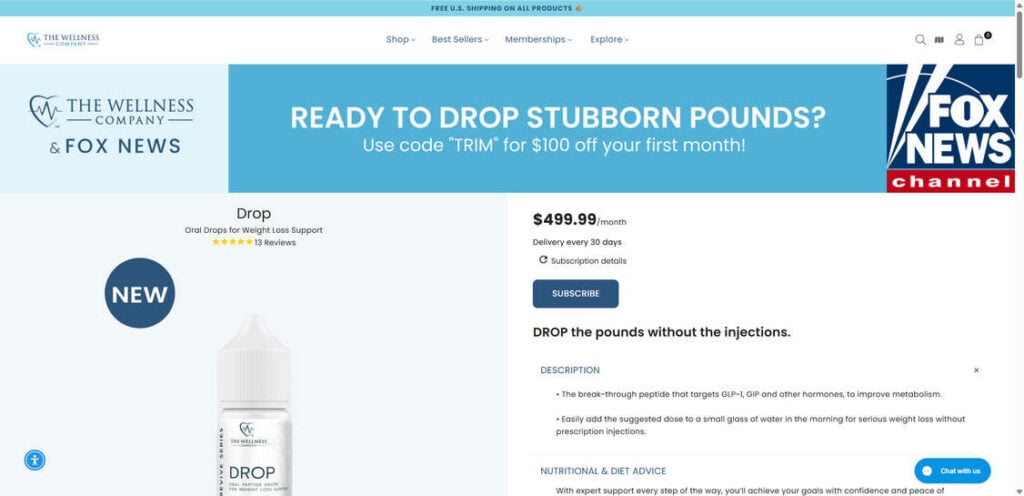
Drop the Pounds is marketed by The Wellness Company, a business that positions itself as a provider of health and wellness products. According to the product’s sales page, these drops contain a “breakthrough peptide” combined with MCT oil, sea moss, and other additives designed to promote weight loss and metabolic health.
On the surface, the idea seems innovative. The product claims to mimic popular GLP-1 medications such as Ozempic and Wegovy but in liquid drop form instead of costly injections. The company says the formula is designed to:
- Suppress appetite by targeting GLP-1 and other hormone pathways
- Boost metabolism for fat burning
- Provide energy and reduce cravings
- Offer long-term weight management without painful shots
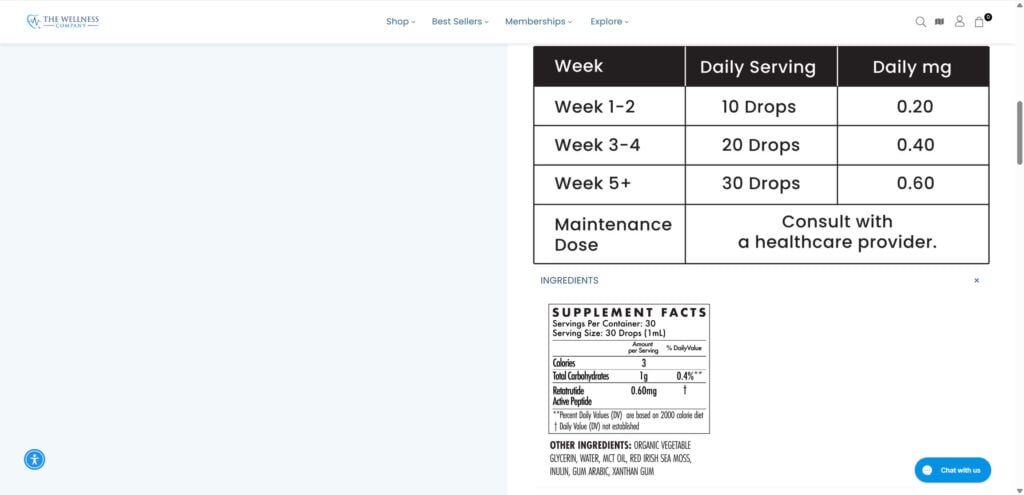
The website is filled with professional-looking images, charts, and promises of fast results. Instructions say that customers should dissolve the drops in water every morning and gradually increase dosage over the weeks.
Pricing Concerns
The most glaring issue is pricing. The company advertises an initial subscription discount but quickly locks buyers into a $499 per month plan. Many consumers have reported being charged this amount without clear consent. Unlike most supplements priced at $40–$100, this staggering fee immediately raises suspicion.
The Ingredient Red Flag: Retatrutide
The company highlights a peptide known as Retatrutide. While it is true that this compound has shown promise in clinical trials for obesity management, it is not FDA-approved, still undergoing research, and not legally available in supplement form. Any over-the-counter product claiming to sell it is highly questionable.
The supplement facts label lists 0.60mg of “Active Peptide” per serving, but no independent lab testing, FDA clearance, or scientific backing is provided. Without legitimate clinical validation, it’s impossible to verify whether the drops contain the claimed peptide at all.
Customer Reviews and Complaints
A deeper look into Google Reviews reveals a concerning pattern:
- Numerous complaints of unauthorized charges
- Customers reporting difficulty canceling subscriptions
- Claims that emails and calls go unanswered
- Some users stating the product made them feel unwell
One reviewer said they became hypoglycemic after only three days due to unknown interactions. Others stated that they never received the product despite being charged hundreds of dollars.
Overall, The Wellness Company currently has a 1-star rating on Google, with multiple reviewers calling it a scam.
Marketing Tactics
Another major red flag is the marketing strategy. The site uses pressure-based sales tactics such as:
- Countdown timers urging buyers to act quickly
- “Low stock” warnings to create urgency
- Stock photos and endorsements that cannot be verified
- Promotional tie-ins with Fox News branding to build credibility
How the Operation Appears to Work
To understand whether Drop the Pounds is legitimate or a scam, it helps to break down exactly how the operation appears to work.
Step 1: Capturing Attention Through Ads
The company uses social media ads, influencer-style promotions, and branded partnerships to capture attention. Bold claims like “Drop stubborn pounds without injections” appeal to people frustrated with traditional dieting or expensive prescription medications.
Step 2: Creating Urgency With Marketing Tricks
Once potential buyers land on the website, they are met with psychological triggers:
- A bold headline promising fast, effortless results
- Time-limited discounts to force impulse purchases
- Visual comparisons showing drops vs injections
- Testimonials that appear generic and unverified
This design is intended to bypass skepticism and push customers toward checkout quickly.
Step 3: Locking Customers Into Expensive Subscriptions
The pricing model is where most complaints begin. While the initial cost may appear lower, fine print or unclear checkout processes often result in customers being enrolled in a $499/month subscription. Canceling this subscription has proven extremely difficult according to multiple reviews.
Step 4: Delivering an Unproven Product
Even if the drops arrive, the ingredients raise serious safety concerns. Retatrutide, the peptide they advertise, is not available as an approved dietary supplement. Without third-party verification, there’s no guarantee that customers are receiving the claimed formula.
The label also lists additional ingredients like vegetable glycerin, MCT oil, and sea moss—common wellness add-ins that may provide some nutritional benefits but are not groundbreaking weight-loss compounds.
Step 5: Customer Service Roadblocks
When customers attempt to cancel or request refunds, they encounter roadblocks:
- Phone lines that go unanswered
- Emails with no response
- Live chat that appears automated or unhelpful
This makes it nearly impossible to resolve issues, leading to ongoing charges and frustration.
Step 6: Exploiting Vulnerable Consumers
Finally, the operation thrives because it targets consumers who are desperate for fast weight-loss solutions. By presenting itself as a cutting-edge medical alternative, it convinces buyers to overlook the risks. Unfortunately, this results in lost money, health risks, and a broken sense of trust.
What To Do If You Bought This
If you believe you have been scammed by Drop the Pounds or The Wellness Company, here are the steps you should take immediately:
- Contact Your Bank or Credit Card Provider
- Report unauthorized charges.
- Request a chargeback if the product was not delivered or misrepresented.
- Ask your bank to block further recurring charges.
- Document Everything
- Keep all email correspondence, receipts, and screenshots of the website.
- Record phone calls or chat messages if possible.
- This evidence will help support your case during disputes.
- Report to Consumer Protection Agencies
- File a complaint with the Better Business Bureau (BBB).
- Submit a report to the Federal Trade Commission (FTC) at ftc.gov/complaint.
- If outside the U.S., contact your local consumer protection agency.
- Leave Reviews to Warn Others
- Share your experience on Google Reviews, Trustpilot, or other consumer review sites.
- This helps prevent others from falling victim.
- Consult a Healthcare Professional
- If you experienced side effects after using the drops, seek medical attention immediately.
- Bring the product with you so your doctor can evaluate its safety.
- Consider Safer Alternatives
- Look into proven, FDA-approved weight loss medications under medical supervision.
- Explore lifestyle approaches like nutrition counseling and exercise programs with professional guidance.
The Bottom Line
Drop the Pounds markets itself as a revolutionary weight-loss solution but raises serious red flags at every step. From the use of an unapproved peptide (Retatrutide) to the sky-high subscription pricing and horrendous customer reviews, the product has all the hallmarks of a scam.
While the idea of easy, injection-free weight loss may sound tempting, the risks far outweigh the potential benefits. Customers report being charged without consent, struggling to get refunds, and receiving little to no support from the company.
If you are serious about managing your weight, you are better off choosing clinically proven treatments, reputable supplements, and professional medical guidance rather than risking your health and money on an unverified product.

Join the discussion
0 commentsShare your experience or ask a question about this article.
Discussion
Start the conversation
Have a question or something useful to share? Add the first comment.