

What is dtsapo4service.exe & How to Fix its Errors
Have you ever encountered the file dtsapo4service.exe on your Windows computer and wondered what it is and how to fix any errors associated with it? In this article, we will explore the details of dtsapo4service.exe, its purpose, potential issues, and provide you with effective solutions to resolve any errors you may encounter.
Understanding dtsapo4service.exe
Dtsapo4service.exe is an executable file that is associated with the DTS Audio Processing Object Service. This service is part of the DTS Sound software, which is commonly found on computers that have DTS audio technology installed. The purpose of dtsapo4service.exe is to provide audio enhancements and processing capabilities to improve the sound quality on your system.
When you install DTS Sound software, dtsapo4service.exe is automatically added to your system startup. It runs in the background and ensures that the audio enhancements provided by DTS Sound are available whenever you use your computer’s audio system.
Common Issues with dtsapo4service.exe
While dtsapo4service.exe is an essential component of the DTS Sound software, it can sometimes cause issues that affect the performance of your computer. Here are some common problems associated with dtsapo4service.exe:
- High CPU Usage: In some cases, dtsapo4service.exe may consume a significant amount of CPU resources, leading to high CPU usage and system slowdowns.
- Error Messages: You may encounter error messages related to dtsapo4service.exe, such as “dtsapo4service.exe has stopped working” or “dtsapo4service.exe application error.”
- Compatibility Issues: DTS Sound software and dtsapo4service.exe may not be compatible with certain hardware configurations or operating systems, causing conflicts and errors.
How to Fix dtsapo4service.exe Errors
If you are experiencing any issues with dtsapo4service.exe, here are some effective solutions to resolve them:
1. Update DTS Sound Software
Outdated versions of DTS Sound software can sometimes cause compatibility issues and errors. To fix this, visit the official website of the software or the manufacturer of your computer and download the latest version of DTS Sound software. Install the update and restart your computer to see if the issues with dtsapo4service.exe are resolved.
2. Disable dtsapo4service.exe from Startup
If dtsapo4service.exe is causing high CPU usage or other performance issues, you can try disabling it from the startup process. Here’s how:
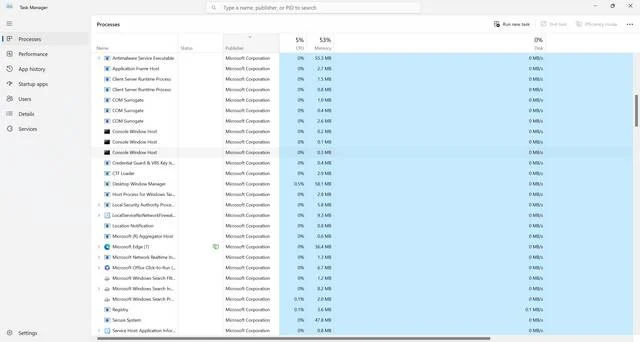
- Open the Task Manager by pressing Ctrl + Shift + Esc or by right-clicking on the taskbar and selecting “Task Manager.”
- Go to the “Startup” tab.
- Locate dtsapo4service.exe in the list of startup programs.
- Right-click on dtsapo4service.exe and select “Disable.”
Disabling dtsapo4service.exe from startup will prevent it from running automatically when you start your computer. However, keep in mind that this may disable the audio enhancements provided by DTS Sound.
3. Perform a Malware Scan
In some cases, dtsapo4service.exe errors may be caused by malware or viruses on your system. It is recommended to perform a thorough malware scan using a reliable antivirus software. We recommend using Malwarebytes Free, a trusted antivirus program that can detect and remove malware effectively.
4. Reinstall DTS Sound Software
If none of the above solutions work, you can try reinstalling the DTS Sound software. First, uninstall the existing DTS Sound software from your computer through the Control Panel or Settings. Then, download the latest version of the software from the official website or the manufacturer’s support page. Install the software and restart your computer to see if the dtsapo4service.exe errors are resolved.
Summary
Dtsapo4service.exe is an executable file associated with the DTS Audio Processing Object Service, which provides audio enhancements and processing capabilities on systems with DTS audio technology. While it is an essential component, dtsapo4service.exe can sometimes cause issues such as high CPU usage and error messages. To fix these errors, you can update the DTS Sound software, disable dtsapo4service.exe from startup, perform a malware scan, or reinstall the DTS Sound software. By following these solutions, you can resolve dtsapo4service.exe errors and enjoy improved audio quality on your Windows computer.

Join the discussion
0 commentsShare your experience or ask a question about this article.
Your progress
Did these steps help?
Let us know how the guide worked for you.
Describe what you see and the step you reached. Keep passwords and other private information out.
Discussion
Start the conversation
Have a question or something useful to share? Add the first comment.