

When it comes to computer processes and files, it’s important to understand their purpose and whether they are essential or potentially harmful. One such file that often raises questions is dxdiag.exe. In this article, we will delve into the details of dxdiag.exe, its function, and whether it should be removed from your system.
What is dxdiag.exe?
Dxdiag.exe is an executable file that is part of the DirectX Diagnostic Tool, a built-in Windows utility. DirectX is a collection of application programming interfaces (APIs) developed by Microsoft to handle multimedia-related tasks, such as graphics rendering, audio processing, and input/output operations.
The dxdiag.exe file is responsible for running the DirectX Diagnostic Tool, which provides detailed information about the DirectX components installed on your system, including the version, driver details, and system information. It also allows you to perform diagnostic tests to identify any issues with your DirectX setup.
Is dxdiag.exe a virus or malware?
Due to its nature as an executable file, some users may be concerned about the possibility of dxdiag.exe being a virus or malware. However, dxdiag.exe is a legitimate Windows system file and is not inherently malicious.
That being said, it’s important to note that malware can sometimes disguise itself as legitimate system files to avoid detection. Therefore, it’s always a good idea to scan your system for viruses and malware regularly. We recommend using Malwarebytes Free, a trusted and effective antivirus software, to ensure the security of your system.
Should I remove dxdiag.exe?
In general, there is no need to remove dxdiag.exe from your system. It is a crucial component of the DirectX Diagnostic Tool and is required for proper functioning of DirectX-related tasks and diagnostics.
However, if you suspect that dxdiag.exe has been compromised or is causing issues on your system, it may be worth investigating further. Here are a few scenarios where removing dxdiag.exe might be necessary:
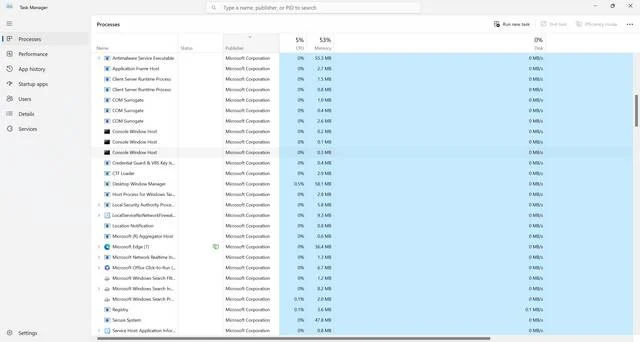
- If dxdiag.exe is consuming an unusually high amount of system resources, such as CPU or memory, it could indicate a problem. In such cases, it’s recommended to perform a thorough system scan using an antivirus software like Malwarebytes Free to check for any malware or viruses.
- If you have already installed the latest version of DirectX and no longer require the diagnostic tool, you can disable dxdiag.exe from running at startup to free up system resources. This can be done by using the System Configuration utility (msconfig) or a third-party startup manager.
- If you have confirmed that dxdiag.exe is infected with malware or is a malicious file, it should be removed immediately. In such cases, running a full system scan with an antivirus software is crucial to identify and eliminate the threat.
How to access the DirectX Diagnostic Tool?
To access the DirectX Diagnostic Tool and view the information provided by dxdiag.exe, follow these steps:
- Press the Windows key + R to open the Run dialog box.
- Type “dxdiag” (without quotes) and press Enter.
- The DirectX Diagnostic Tool window will open, displaying various tabs with information about your system and DirectX components.
Conclusion
Dxdiag.exe is a legitimate Windows system file that is part of the DirectX Diagnostic Tool. It is responsible for providing detailed information about DirectX components and performing diagnostic tests. While dxdiag.exe is not inherently malicious, it’s always important to stay vigilant and regularly scan your system for viruses and malware.
If you encounter any issues related to dxdiag.exe, such as high resource usage or suspected malware infection, it’s recommended to perform a thorough system scan using an antivirus software like Malwarebytes Free. This will help ensure the security and optimal performance of your system.

Join the discussion
0 commentsShare your experience or ask a question about this article.
Discussion
Start the conversation
Have a question or something useful to share? Add the first comment.