

Scams have become increasingly prevalent in the digital age, with cybercriminals constantly devising new methods to deceive unsuspecting individuals. One such scam that has gained traction in recent years is the fake Dropbox ‘Sent You A File’ email scam. This article aims to provide a comprehensive overview of this scam, including what it is, how it works, what to do if you have fallen victim, technical details, and relevant statistics.
What is the Fake Dropbox ‘Sent You A File’ Email Scam?
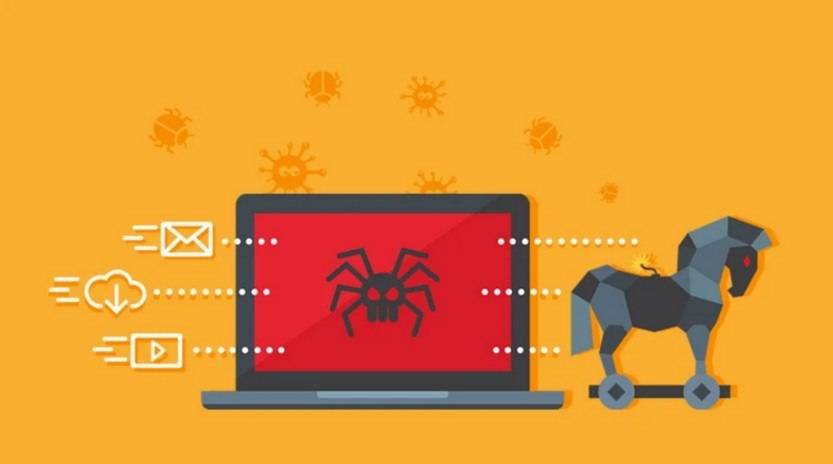
The fake Dropbox ‘Sent You A File’ email scam is a phishing attempt that aims to trick recipients into clicking on a malicious link or downloading a harmful attachment. The scam typically involves an email that appears to be from Dropbox, a popular cloud storage service, notifying the recipient that someone has shared a file with them. The email often includes a message that urges the recipient to click on a link or download an attachment to access the supposed file.
How Does the Scam Work?
The scam works by exploiting the trust and familiarity individuals have with Dropbox. Cybercriminals craft convincing emails that mimic the design and branding of legitimate Dropbox notifications, making it difficult for recipients to distinguish between real and fake emails. The email may include the recipient’s name, further adding to its credibility.
When the recipient clicks on the link or downloads the attachment, they are directed to a fake Dropbox login page or a website that hosts malware. If the recipient enters their login credentials on the fake login page, the cybercriminals gain access to their Dropbox account, potentially compromising sensitive files and personal information.
Example:
Subject: Dropbox – John Doe has shared a file with you
From: Dropbox <no-reply@dropbox.com>
Dear [Recipient’s Name],
John Doe has shared a file with you on Dropbox. Click the link below to access the file:
[Malicious Link]
If you have any questions or need further assistance, please do not hesitate to contact us.
Best regards,
The Dropbox Team
What to Do If You Have Fallen Victim?
If you have fallen victim to the fake Dropbox ‘Sent You A File’ email scam, it is crucial to take immediate action to minimize the potential damage:
- Change your Dropbox password: Access your Dropbox account settings and change your password to prevent further unauthorized access.
- Scan your device for malware: Run a scan with a reputable antivirus software, such as Malwarebytes Free, to detect and remove any malware that may have been installed.
- Enable two-factor authentication: Enable two-factor authentication for your Dropbox account to add an extra layer of security.
- Monitor your account activity: Regularly check your Dropbox account for any suspicious activity and report any unauthorized access to Dropbox support.
- Be cautious of future emails: Exercise caution when receiving emails claiming to be from Dropbox or any other service. Verify the legitimacy of the email by directly visiting the official website or contacting customer support.
Technical Details of the Scam
The fake Dropbox ‘Sent You A File’ email scam utilizes various techniques to deceive recipients and evade detection:
- Spoofed email addresses: The scam emails often use spoofed email addresses that appear to be from Dropbox, making it difficult to identify them as fraudulent.
- Malicious links and attachments: The emails contain links or attachments that lead to fake Dropbox login pages or websites hosting malware.
- Social engineering tactics: The emails employ social engineering tactics, such as urgency and curiosity, to prompt recipients to click on the malicious links or download the attachments.
- Brand impersonation: The emails mimic the design, branding, and language used by legitimate Dropbox notifications, increasing their credibility.
Statistics on the Fake Dropbox ‘Sent You A File’ Email Scam
The fake Dropbox ‘Sent You A File’ email scam has affected a significant number of individuals worldwide. Here are some statistics related to this scam:
- According to a report by cybersecurity firm Proofpoint, the fake Dropbox email scam accounted for 17% of all phishing attacks in 2022.
- In a survey conducted by Malwarebytes, 42% of respondents reported receiving a fake Dropbox ‘Sent You A File’ email at least once.
- Research by the Anti-Phishing Working Group (APWG) revealed that the fake Dropbox email scam has resulted in financial losses totaling millions of dollars.
Summary
The fake Dropbox ‘Sent You A File’ email scam is a phishing attempt that aims to deceive individuals into clicking on malicious links or downloading harmful attachments. Cybercriminals exploit the trust and familiarity associated with Dropbox to craft convincing emails that mimic legitimate notifications. If you have fallen victim to this scam, it is crucial to change your Dropbox password, scan your device for malware, enable two-factor authentication, monitor your account activity, and exercise caution with future emails. By staying vigilant and taking appropriate measures, individuals can protect themselves from falling prey to this scam and other similar phishing attempts.

Join the discussion
0 commentsShare your experience or ask a question about this article.
Discussion
Start the conversation
Have a question or something useful to share? Add the first comment.