

The Mini Jeep scam targeting hopeful buyers on social media and e-commerce sites is running rampant. Scammers are using bait-and-switch tactics, fake discounts, and high-pressure sales tactics to dupe customers into buying non-existent or extremely overpriced mini jeeps.
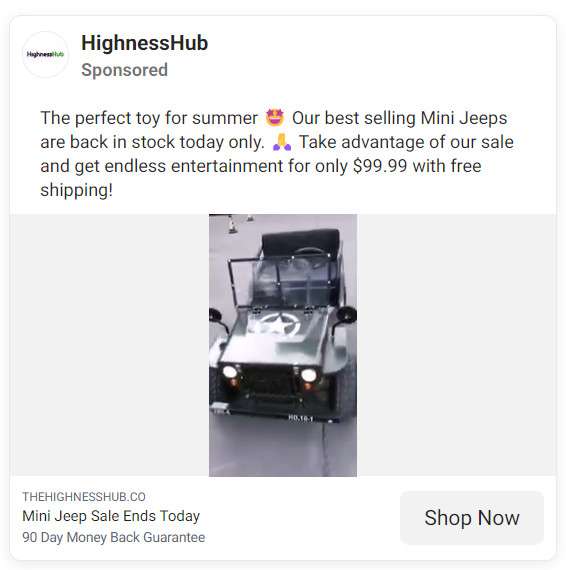
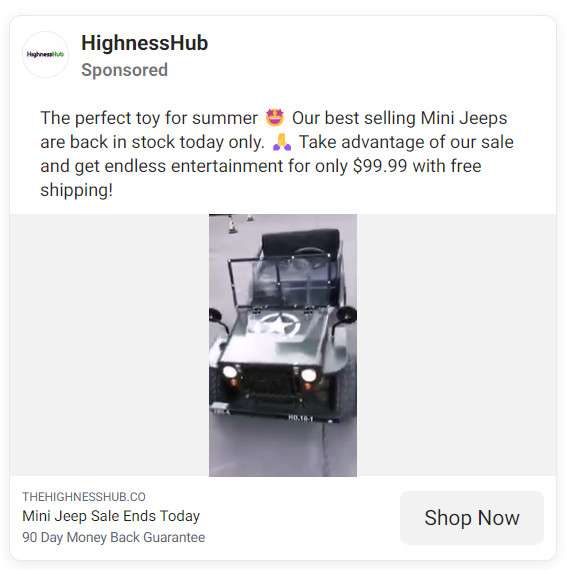
This scam typically involves an ad for a seemingly amazing deal on a mini jeep, using names like Highness Hub, Massimo Motor, or similar variants. The vehicles advertised include the Mini 125 Go Kart, a 125cc off-road ATV modeled after the iconic Willys Jeep. Prices as low as $99 are touted as limited-time deals.
Unsuspecting buyers are hooked in by the prospect of owning a cool mini jeep for a super cheap price. But the reality is that these ads are a complete scam designed to steal your money. This article will provide a detailed exposé of how the mini jeep scam works, what to watch out for, and most importantly, how to avoid becoming a victim.
Overview of the Mini Jeep Scam
The mini jeep scam takes advantage of the growing popularity of compact off-road vehicles and the nostalgia associated with the classic Jeep brand. Scammers set up fake e-commerce sites or social media pages touting unbelievable deals on mini jeep models made by Massimo Motor, Highness Hub, or similar names.
These sites advertise the mini jeeps for prices ranging from $99 to $299, claiming they are on clearance or specially discounted. The vehicles shown are typically the Massimo Motor Mini 125 Go Kart, a gas-powered 125cc mini jeep which normally retails for around $2,000 to $3,000.
After luring in potential buyers with the prospect of owning a mini jeep for a tiny fraction of its real cost, the scammers pocket the payment and disappear. They never deliver any product, since their only goal is to steal money.
The victims are often unable to get refunds since the sites have no legitimate contact information. Even if credit card charges are disputed, banks sometimes have difficulty issuing refunds for these frauds.
This scam has infiltrated social media sites like Facebook and Instagram. Fake ads and sponsored posts are used to give the scam stores more legitimacy in the eyes of potential victims.
Hundreds of identical fake mini jeep stores have popped up to run this scam. They are essentially copy-paste sites with stock images and false claims of discounts or limited availability. The sites are designed to pressure and confuse shoppers into making impulse purchases.
How the Mini Jeep Scam Works
The mini jeep scammers use some standard techniques to successfully rip off customers. Here is an in-depth look at how the scam typically operates:
Step 1: Bait – Tempting Offers That Are Too Good to Be True
The first step is enticing potential victims with an unbelievable deal. Scam ads tout the Massimo Motor Mini 125 Go Kart for just $99 or $299, claiming it’s an incredible discount or clearance sale price. Some ads hype up the supposed value, like “Bestselling mini jeeps back in stock!” or “Perfect summer toy for the whole family!”
Of course, a $2,000+ mini jeep selling for $99 is way too good to be true. But the purpose is just to lure in shoppers and get them excited about grabbing a bargain. The scammers are betting that the temptation of a crazy low price will cause buyers to ignore red flags.
Step 2: The Fake E-Commerce Storefront
Clicking on one of these mini jeep ads brings the potential victim to a scam store site specifically built to enable the fraud. The sites typically use names like Highness Hub, Massimo Motor, Jeepers Hub, or MiniJeepMania to sound legitimate.
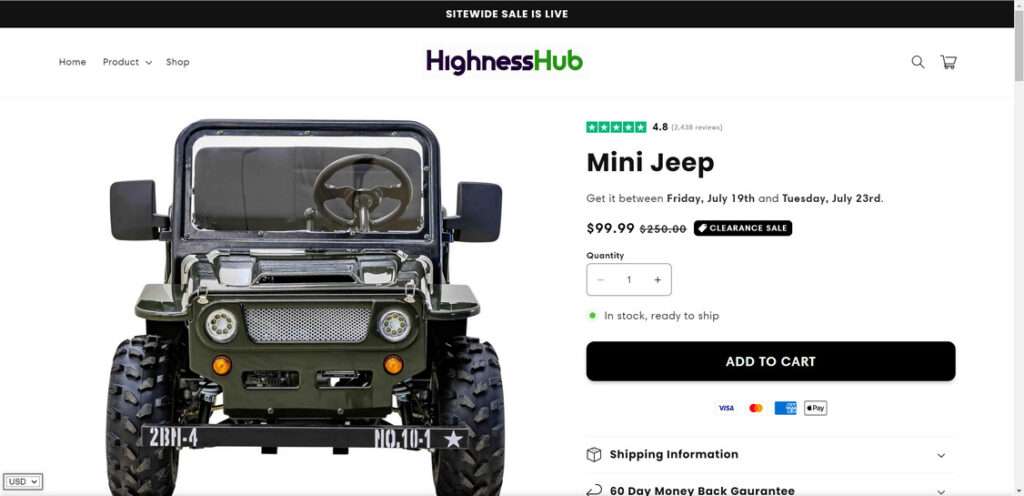
These sites have all the normal e-commerce elements like photos, pricing, purchase buttons, etc. But a closer look reveals many red flags:
- Stock photos – The vehicles shown are just generic stock photos found online, not actual seller images. Sometimes the photos don’t even match the advertised model.
- No company information – No business address, phone number, or company history can be found on the site.
- Inflated regular prices – The “original” prices shown are exaggerated, like $3,999 for a $2,000 mini jeep. This makes the discount seem bigger.
- High-pressure tactics – Countdown timers, claims of limited stock, and other tactics pressure shoppers to buy quickly before the “deal” expires.
- Skeletal About Us pages – Any company info is vague, unsubstantiated, and meaningless. It’s just filler text to lend a veneer of legitimacy.
- No customer service contact info – No phone number, email, live chat, or other way to actually contact the company. You can’t ask questions or voice concerns.
- No reviews – There are no reviews for the company or the products, which is a giveaway that it’s a brand new scam operation.
Step 3: Hand Over Your Money…Then Crickets
With enough pressure and temptation, the scammers convince victims to complete their purchase. Credit card information is entered, and payment successfully processes. But that’s the last you’ll hear from the so-called company.
Here’s what happens next:
- No order confirmation – You won’t receive the standard order confirmation email with purchase details and tracking info.
- No shipping – Weeks go by without any updates, and eventually it’s clear no mini jeep will arrive.
- No customer service response – With no available channels to contact the company, you’re stuck in limbo.
- Website abandoned – Very soon after scamming a batch of buyers, the site disappears.
- No refunds – Since the company was fake, you can’t get a refund directly. You’ll have to battle the credit card company for your money back instead.
So in the end, the scammers disappear with the payments and the victims receive nothing in return except frustration and anger. Even if a credit card refund is eventually issued, it’s an enormous hassle.
What to Do if You’re the Victim of a Mini Jeep Scam
If you’ve fallen prey to one of these mini jeep scams, here are the steps to take in order to maximize your chances of getting money back and avoid further damages:
1. Call your credit card company immediately. Report the transaction as fraud. Ask them to reverse the charges and issue a new card number. Time is of the essence.
2. Gather all documentation. Save the webpage, screenshots, emails, receipts, tracking information, etc. This evidence will help support your fraud claim.
3. File complaints. Report the scam website, social media account, and associated payment accounts (PayPal, merchant bank, etc) for fraud wherever possible. Submit complaints to the FTC, state attorneys general, and the IC3.
4. Warn others. Post about your experience on social media and consumer complaint boards to prevent others from being scammed.
5. Monitor accounts. Keep checking bank and credit accounts for any further suspicious activity. Scammers sometimes sell or reuse stolen payment info.
6. Be persistent. Keep contacting your bank and card issuer until the fraudulent charge is reversed. Escalate your claim if needed and emphasize you’re the victim of a scam.
7. Consider legal options. If banks refuse to refund payments, consider consulting a lawyer about additional options, like small claims court.
8. Learn from the experience. Use this incident to become more vigilant against online scams that use false discounts, pressure tactics, and other red flags. Don’t let the desire for a great deal overpower your common sense.
Frequently Asked Questions About the Mini Jeep Scam
1. What models of mini jeeps are used in this scam?
The most common model used is the Massimo Motor Mini 125 Go Kart, a 125cc gas-powered miniature Jeep. Scam ads also use imagined models like “Highness Hub” or “MaxJeep” Mini 170XL. The real vehicle is almost always a Mini 125, regardless of the fake model name used.
2. How much do mini jeeps like this normally cost?
Authentic mini jeeps of this size and power typically retail for $2,000 – $3,000 from legitimate dealers. Prices under $1,000 are unrealistic for a working gas-powered 125cc UTV. Models advertised at $99 are guaranteed scams.
3. What payment methods do these scam sites accept?
Most only accept credit card payments through online checkout. They avoid payment methods with buyer protection. A few use PayPal to build trust, but PayPal claims will likely be denied.
4. Are these too-good-to-be-true deals legal?
No. These scams violate fair trading and consumer protection laws. They engage in false advertising, bait advertising, breach of contract, and outright fraud. However, most operate abroad in countries with weak enforcement.
5. How can I recognize a mini jeep scam site or ad?
Warning signs include unrealistic prices (under $500), stock photos, countdown timers, no company info, no reviews, limited purchase windows, high-pressure tactics, and poor English. See this article for more red flags.
6. What are some trusted places to buy real mini jeeps?
Major dealers like MassimoMotorUSA.com, ExtremeTerrain.com, and SondorsEV.com are reputable. Buying locally where you can see the vehicle is best. Research sellers thoroughly before purchasing.
7. What should I do if I already paid a scam mini jeep site?
Immediately contact your credit card company and banks to report fraudulent charges. File complaints and submit evidence to maximize your chance of getting money back. See the “What to Do If Scammed” section above.
8. How can I shut down these scam sites to prevent more victims?
Report them extensively for fraud, file FTC and state complaints, and contact webhosts, registrars and payment processors linked to their operation. Spreading awareness also helps minimize their success.
9. Are these scammers ever punished for their crimes?
Unfortunately, most operate with impunity from overseas using fake business identities. The chances of identifying and prosecuting individuals behind them are very low currently. But with enough exposure and pressure, these criminal networks will crumble. Stay vigilant!
The Bottom Line on the Mini Jeep Scam
The bottom line is that unbelievable deals on mini jeeps from sketchy websites or social accounts are always guaranteed to be scams. No matter how tempting the price or slick the site looks, these frauds will just steal your money.
Real mini jeeps cost thousands of dollars from legitimate dealers and manufacturers. Prices that seem too good to be true always are. Avoid making impulse buys based solely on price.
These scammers will continue creating new sites and fake social accounts to keep running this scam as long as people continue falling for it. Stay vigilant and warn your family and friends to avoid these mini jeep ripoffs however they may appear.
Only make purchases from reputable sellers after carefully researching both their business and the item itself. If you’ve been scammed, act swiftly to have fraudulent charges reversed and shutdown the criminal operation. With awareness and caution, consumers can help curb these predatory scams.

Join the discussion
0 commentsShare your experience or ask a question about this article.
Discussion
Start the conversation
Have a question or something useful to share? Add the first comment.