


You agree to discuss writing a will after someone calls about your life insurance. The adviser sounds prepared and offers to explain the paperwork over the phone.
While the call is still going, two text messages arrive about paying for a trust.
Overview
A will-writing conversation turned into a finance application
A UK consumer described getting a call from someone offering a will-writing service. The caller said they had obtained the consumer’s details from an insurance broker.
The caller arranged a follow-up appointment and sent a questionnaire covering assets, savings, debts and home value. The consumer said the site and regulatory details looked credible.
During the appointment, the caller proposed a trust, described the fees and offered two ways to pay monthly. Text messages then directed the consumer through a purported finance application.
The consumer signed documents while the adviser stayed on the phone. The person later asked for more insurance information and a copy of ID, which the consumer withheld.
A dashboard showed a loan the actual bank could not find
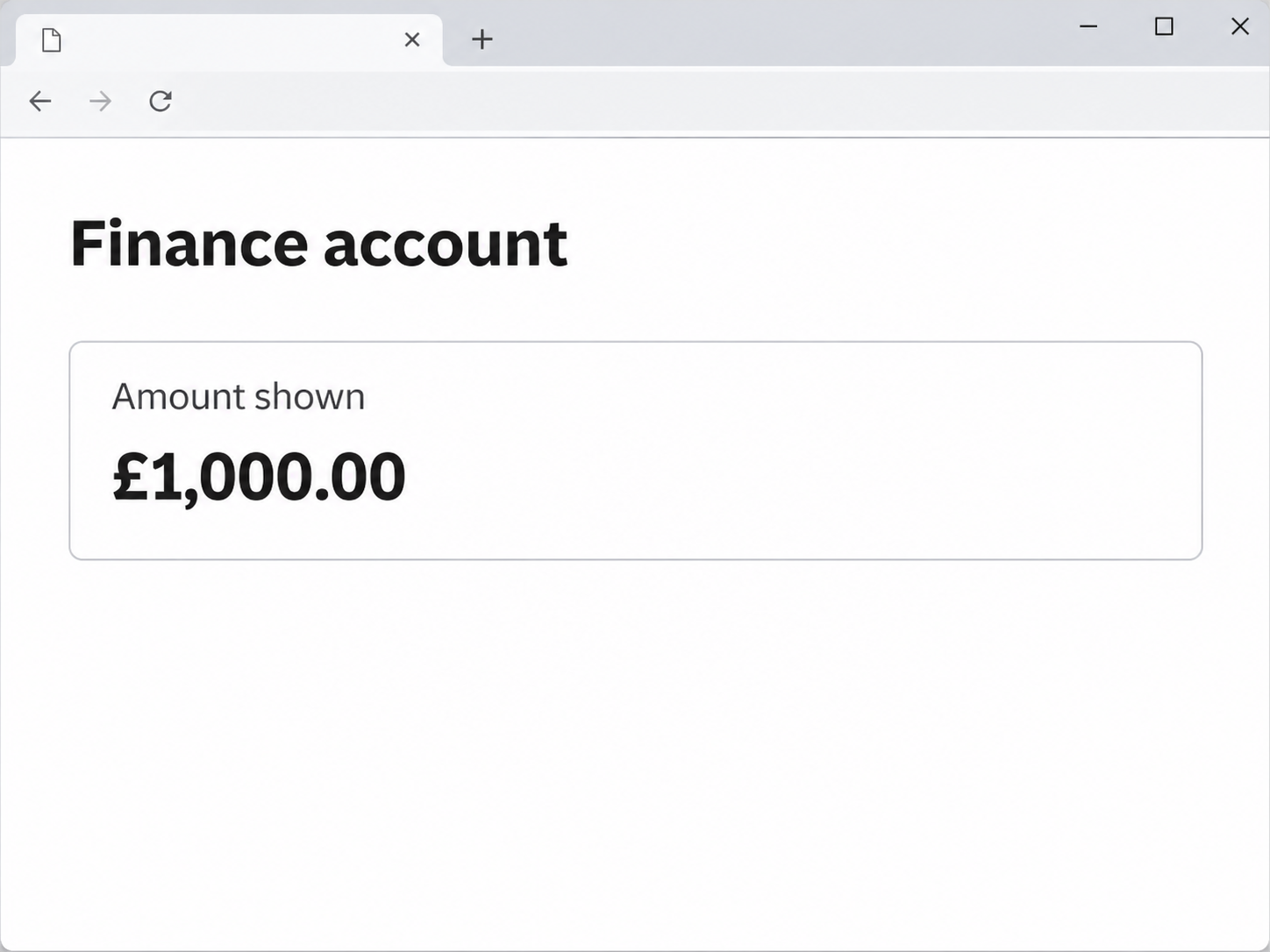
The consumer tried to cancel the arrangement and then called the real Zopa through a route they found themselves. The purported finance page showed a £1,000 credit.
According to the consumer, Zopa’s fraud team could see a registered online account in their name without a finance product. The team said the address they were viewing was unfamiliar.
The lead image illustrates the reported finance display. It shows why a plausible figure on an unfamiliar page can be persuasive when someone has just discussed the same amount.
These are the points to compare before acting on an unexpected finance agreement:
- The lender’s name and the exact address shown in the browser.
- The amount, term and repayment schedule the caller described.
- Any product that appears when you access the real lender independently.
- What the verified lender can confirm about an application or loan.
- The bank and card information you actually supplied.
The known deception is the bank impersonation
Zopa’s guidance on suspicious contact advises checking any message that uses its name through the contact details on its own site. A familiar logo or brand name can be copied.
The Financial Conduct Authority’s guidance on clone firms explains that fraudsters can borrow genuine reference numbers, addresses or company names. That makes a registration lookup only one part of verification.
The suspected clone was the finance page the bank could not verify. The account leaves open who arranged the call and where they obtained the consumer’s contact details.
The consumer also said they could not remember entering some card details. That does not show how those details appeared or establish that either device was remotely accessed.
How the Fake Trust Finance Scam Works
Step 1: An unexpected call gives the offer a familiar explanation
The caller claimed to have received the consumer’s details through an insurance broker. That explanation linked the new service to a product the consumer already understood.
An existing insurance relationship can make a will-writing call sound expected. Call the broker through a number you already have and ask whether it actually made a referral.
When someone sends a questionnaire, review the depth of information it seeks. Answers about assets and debts can tell a stranger how to make a later payment discussion more convincing.
A referral and a financing agreement are separate matters. Even if a broker confirms it introduced the adviser, verify who provides the service and how payment is handled.
Step 2: A trust adds a new service and a new price
The consumer expected a conversation about a will. During the appointment, the caller suggested a trust and presented its administrative costs as something that could be financed monthly.
Estate planning can be complicated when discussed quickly over the phone. Ask for the work, fees and lender in writing before you decide whether the offer suits you.
Take time to identify who will draft the document and who will charge you. A salesperson’s fluency about trusts says little about their authorization or the agreement’s terms.
If someone stays on the line while you sign, ask for time with the paperwork. You can reach the provider after checking its contact details yourself.
Step 3: A text takes you to a lookalike finance page
After discussing the fees, the caller sent text links that appeared to lead to a bank and signing process. The consumer opened them on a laptop.
A page can show the same amount the adviser just quoted. That consistency can feel like confirmation, even though the caller chose the message, link and amount.
Check a proposed agreement by visiting the lender yourself. Ask for a product reference and find out whether it appears under your account without using any link from the adviser.
Keep a copy of what you signed, including the time and sender details. The real lender can use this evidence when it checks whether it has any application.
Step 4: A call to the bank reveals two different records
According to the consumer, Zopa identified a registered account but could not see the product shown on the other screen. That was the discrepancy that exposed the impersonation.
Even if there is a real account in your name, the genuine lender still needs to confirm the loan. Open the app or website from your usual route.
If the bank says it has no record of an offer, ask how it wants you to report the copied page. Give it the address from your existing evidence.
Stop paying or signing through the source that provided the disputed page. Ask your own bank how to review payment instructions or card details you already supplied.
How to Verify a Finance Agreement and Protect Your Accounts
Call the insurance broker through your policy paperwork
If you still have the original insurance documents, use the contact there or visit the provider independently. Ask whether it shared your details with an estate-planning service.
Write down the exact company and contact the broker identifies. Compare that information with the person who contacted you and the number they used.
If the broker has no record of the introduction, preserve the message where the caller claimed there was a referral. Its fraud team may want to review it.
If the broker confirms an introduction, verify the adviser’s own details separately. The referral does not answer whether an additional trust or finance arrangement was genuine.
Ask the lender to identify the exact product
Tell the lender the amount and application reference you were shown. Ask it to identify the type of finance and any payment date it can actually see.
If the lender can only find a login or registration, ask which financial products are active. A name in a customer database does not tell you whether credit was issued.
Save the genuine lender’s reply with the purported agreement. That gives your bank or a fraud investigator two records to compare when you describe the cloned page.
If the lender confirms a different loan from the one discussed, ask it to explain the discrepancy. Check whether the application details or destination need to be reported.
Keep the signing records and payment exposure separate
Save the message that led you to the form, the full address and any document you already downloaded. Your browser history may still show the exact domain.
For each bank detail, write down where you entered or shared it. A sort code and account number call for a different conversation than a password or card verification code.
If your bank sees a new instruction or card attempt, ask what it can stop and what must be monitored. Keep the bank’s report number with the transaction record.
Use the bank’s own view when checking an alleged payment. A fake lender can show a confirmation before the money moves or give a convincing explanation for a pending charge.
Handle device concerns based on what happened
Check whether the caller asked you to install anything, share your screen or grant permissions. Tell your bank exactly what you remember before trying to reconstruct missing steps.
An unfamiliar page can capture information entered into a form. Seeing card details in an email does not identify how the sender obtained them.
Stop banking on the device if you gave the caller remote access or installed their software. Contact your bank from another device while you get trusted technical help.
Change a password through the genuine provider if you entered it on the copied page. Review recent sign-ins and check that recovery details still belong to you.
Check whether you sent enough data for follow-up impersonation
Someone who knows your insurance provider or the amount discussed can refer to it when calling later. Ask the real company to identify which case they are handling.
Tell your bank if you sent identity documents. Ask the document issuer what steps apply and provide copies only through a route you independently verified.
Read future finance alerts inside the provider’s own app wherever possible. A second sender can use the same £1,000 figure to make a supposed cancellation or refund look connected.
Keep PDF agreements and screenshots private. A public appeal for advice can expose the same asset, account and identification details you are trying to protect.
Check through the lender’s genuine service if you later receive a password reset for the account it identified. Record any changes the fraud team says it made.
Ask your bank how you’ll learn whether it blocked an instruction or replaced a card. Save the bank’s reply so you can compare it with any new messages.
Keep cancellation correspondence with the verification record
If you sent a cancellation request, save a copy and any response. Ask the real lender whether that correspondence relates to a product it actually issued.
Ask a separately verified adviser about the estate-planning paperwork. A lender can explain its own record, while the adviser can help you understand what you signed.
Record any promised cancellation or finance reference along with the date. If another caller uses the same details to say you owe a new fee, check the source independently.
What to Do if You Have Fallen Victim to This Scam
-
Stop using the links and save the original messages. Include the browser address, amount and documents you received, along with the time of each call.
-
Contact the real lender independently and ask whether it recognizes the product, application and account. Use Zopa’s fraud guidance for a concern involving that bank.
-
Give your own bank a list of what you shared and the time each detail was supplied. Ask about direct debits, card activity and account access.
-
Tell your genuine insurance broker about the claimed referral and ask for a written reply. Put any questions about the legal documents to an independently verified adviser.
-
Keep the bank’s findings and case reference together with anything you already signed. Report unauthorized activity promptly if another payment or application later appears.
-
Check the firm through the FCA’s official Firm Checker when regulated services are involved. Compare the contact details and report any apparent clone through official channels.
Be specific about which company or device handled each part of the application. That helps a fraud team narrow down what to investigate before you receive another message.
If someone calls offering to cancel your paperwork for a fee, contact your bank or verified adviser. Follow up using the references you already received from those organizations.
Frequently Asked Questions
Does a genuine FCA number prove the caller represents the firm?
A reference number can identify a real firm, even when a stranger has copied it. Call the firm through the contact details shown in the official register.
What if the real bank already has an account in my name?
Ask which products the bank can see and whether it recognizes the supposed loan. A real registration can exist alongside a fake page that shows invented finance details.
Should I send my ID so the adviser can cancel the agreement?
Keep identification documents private until you independently verify who needs them. Ask the real lender or a verified adviser what it requires and where to send it securely.
Does the £1,000 on the screen mean I owe that amount?
Check with the actual lender using its own contact details. It can tell you whether it has a real product, an application or an active amount due.
Does opening the text link mean someone controlled my laptop?
A link can open a fake form, and clicking it alone does not establish remote access. Report any files you ran, permissions you granted or information you entered.
What should I do if I supplied sort code and account details?
Tell your bank exactly which details you provided and when. Ask it to check for unfamiliar instructions or activity and explain which protections apply to your account.
The Bottom Line
Put the finance application on hold if the lender cannot verify it through its own records. Use the bank’s official channel and keep the links and signed documents for review.
If you gave anyone banking or card details, tell your bank promptly and explain how the messages arrived. Get independent help with any document you’re concerned you signed.

Join the discussion
0 commentsShare your experience or ask a question about this article.
Community experiences
Did this happen to you?
Your experience could help someone recognize the same scam. Submit a private report for our team to review.
I experienced this tooReports are reviewed before publication. Sharing publicly is always your choice.
Discussion
Start the conversation
Have a question or something useful to share? Add the first comment.