


A Facebook video makes AI trading sound almost effortless. Start with a small amount, let the software do the work, and check your phone for the results.
Then you reach a quiz under the Finelo name. Before you put in a card number, there are two separate questions: what are you buying, and when will it renew?
Overview
The ads sold a different idea from the service
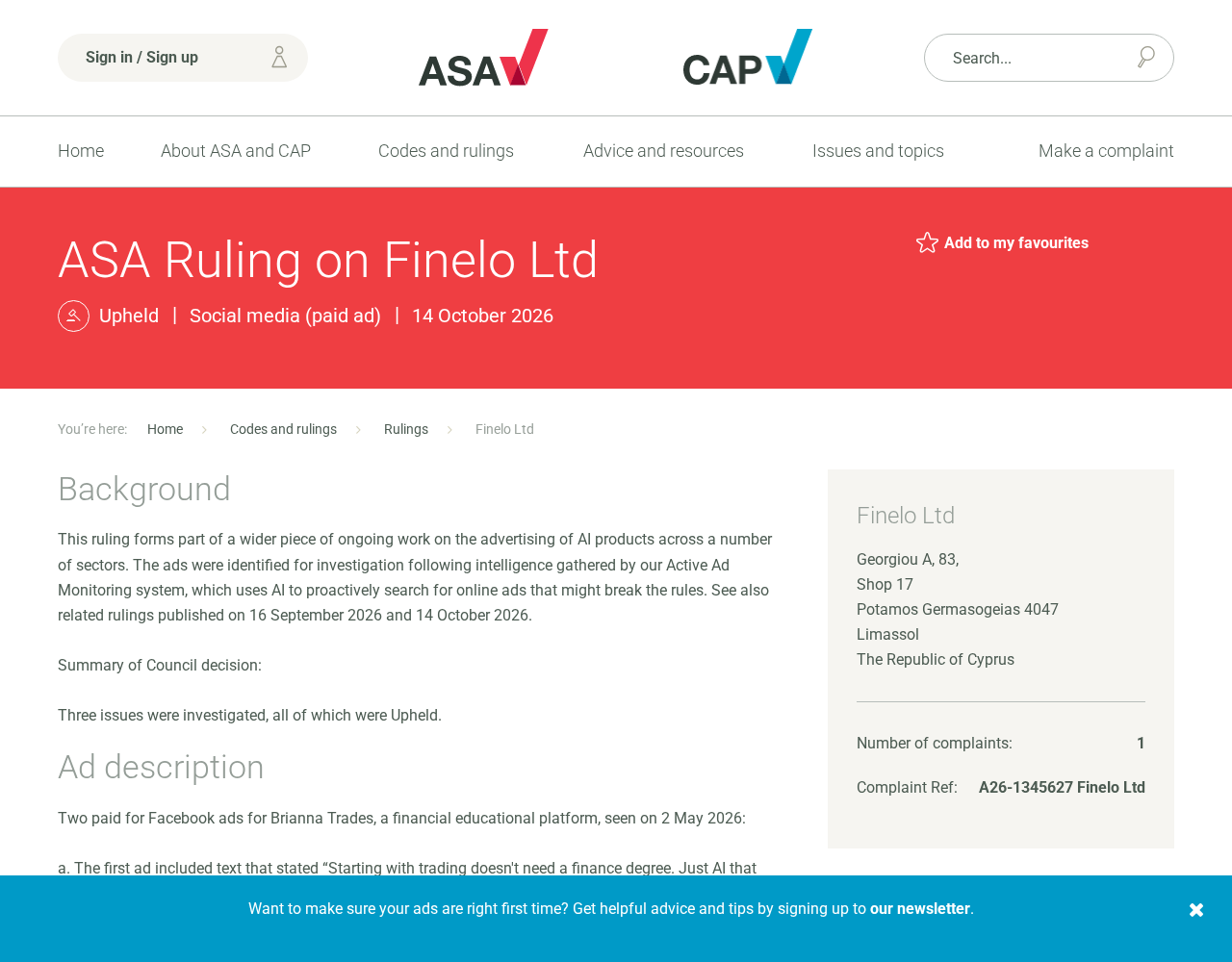
Finelo offers lessons and a trading simulator. The UK Advertising Standards Authority found that two paid Facebook ads made it sound as if Finelo would invest real money for users.
One ad showed men talking about handing trading over to AI. Another leaned on retirement anxiety. Both made starting with $20 sound like the beginning of a real investment.
In Finelo’s educational product, simulator funds are virtual. You’re buying access to lessons and tools, not putting that subscription payment into a brokerage account or earning wages for completing lessons.
The amount due today is only one number
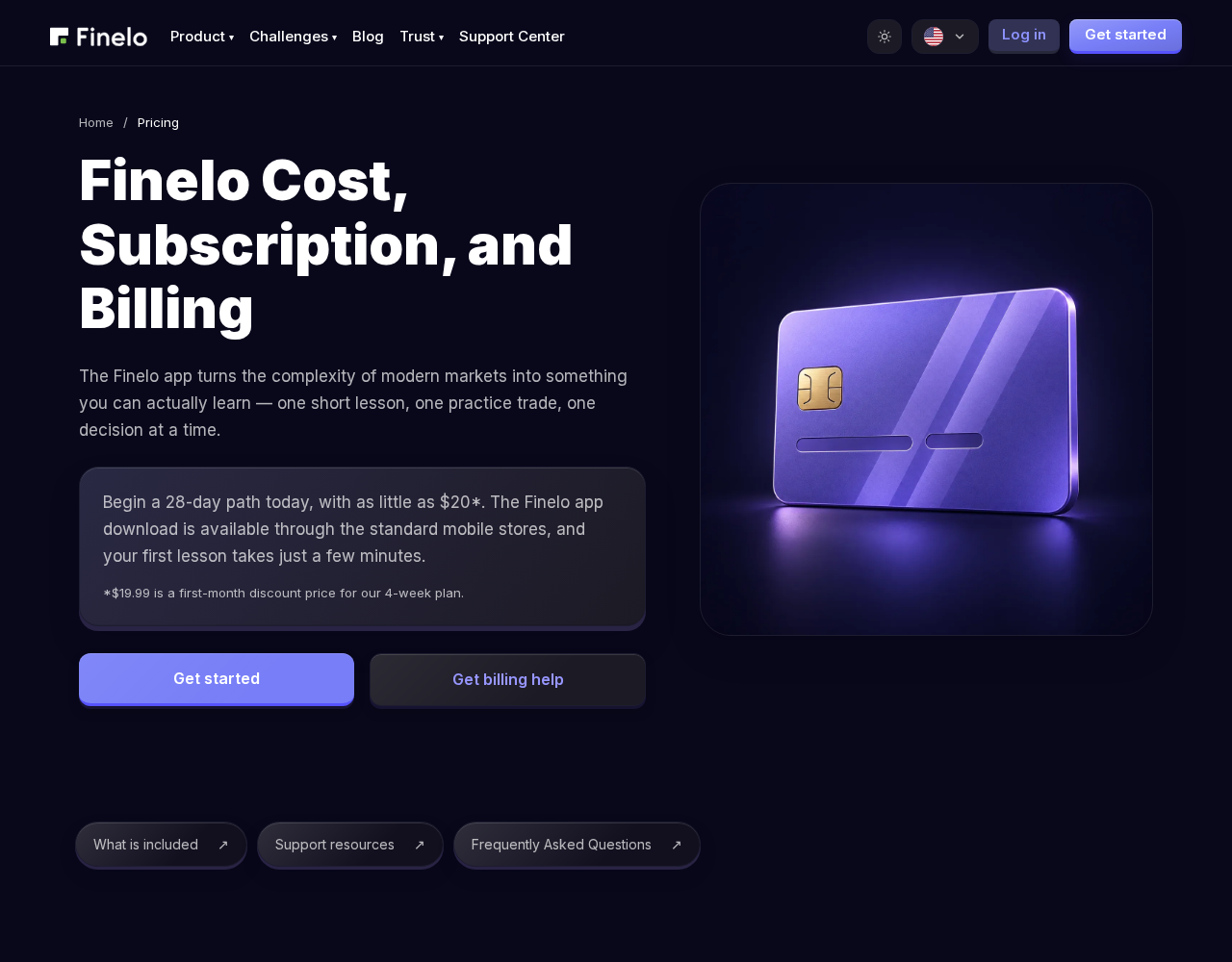
Finelo’s public pricing page lists a $19.99 introductory price for a four-week plan. Its subscription terms also describe paid trials, renewals, and some offers for lifetime access.
- The pricing page is not a receipt for a specific quiz offer.
- A trial can convert to a subscription unless canceled in time.
- Finelo’s terms say to cancel at least 24 hours before the trial ends.
- A four-week renewal follows a 28-day interval, not necessarily the same calendar date each month.
Decide based on the product, not the pitch
If you wanted an online job or a bot that manages real money, don’t subscribe based on those expectations. Finelo’s own description is about learning and practice.
If you want the lessons, compare the cost after the promotion with what you’ll use. Find the renewal amount and interval before paying, not after your first charge.
What the Finelo Advertising Ruling Actually Says
The ASA’s October 14 ruling covers two paid Facebook ads from the Brianna Trades account seen on May 2, 2026. Finelo Ltd acknowledged responsibility for the account.
The first ad showed a conversation about a small starting amount and a phone displaying a trading graph. Then another scene presented trading as something the AI handled without intervention.
The second began with a question about retirement. Later, a presenter reassured an audience member that the software could read charts and guide him despite his lack of experience.
Both scenes suggested a beginner could hand over the difficult work and see results. The graph made the suggestion vivid without establishing where any money went.
Finelo said the ads only ran on May 2 and had been removed before the ASA contacted it. The company said the quiz led to education, not a trading account.
It also pointed to language about learning. The ASA accepted that learning appeared in one ad but found it did not undo the overall impression of automated investing.
The ruling upheld all three issues. It found the ads omitted investment risk, implied quick returns with little risk or effort, and misrepresented the nature of the service.
The ads were not to appear again in the form reviewed. That finding is about identified advertisements. It is not a ruling that every Finelo payment was unauthorized.
The ruling doesn’t cover every account of an online job ad. If that’s what you saw, save the exact advertisement instead of assuming it was one of these two.
What the $20 in the ads meant to a viewer
In both videos, the starting amount appeared alongside talk about real investing. The ASA found viewers could reasonably take that as money the product would put to work.
The nearly matching figure on the pricing page buys something else. It is an introductory course price, not a deposit. A receipt for course access doesn’t establish an investment position.
A trade simulator can display prices from real markets while filling a practice portfolio with virtual money. The price feed being real does not make the portfolio balance real.
A charting tool flagging a pattern isn’t a broker executing an order. Even correct market data cannot turn a lesson purchase into ownership of shares.
What the Quiz, Price Page and Subscription Terms Tell You
Step 1: The quiz gets you thinking about your goals
The ads pointed viewers to Finelo’s quiz. A quiz can ask about experience and interests before describing a course, but completing it does not mean you’ve opened an investment account.
It also doesn’t make the next screen free. The distinction is between answering questions and agreeing to pay for a specific plan. Read the payment screen as a new decision.
If the ad promised income, pause here. Would you still want the course if it had been advertised as paid lessons from the start?
Step 2: The offer describes access, not capital for trading
The Finelo pricing page describes short lessons, challenges, virtual trading and analysis tools. A simulated order can help you practice, but its gains are not money you can withdraw.
The $19.99 figure is labeled a discounted first period on the public page. It is not automatically your renewal rate, a universal trial price, or money deposited with a broker.
Compare the first charge and later charge. If you see only one, don’t assume the other will be the same. Leave without entering payment details.
Step 3: A subscription can begin or renew without a second checkout
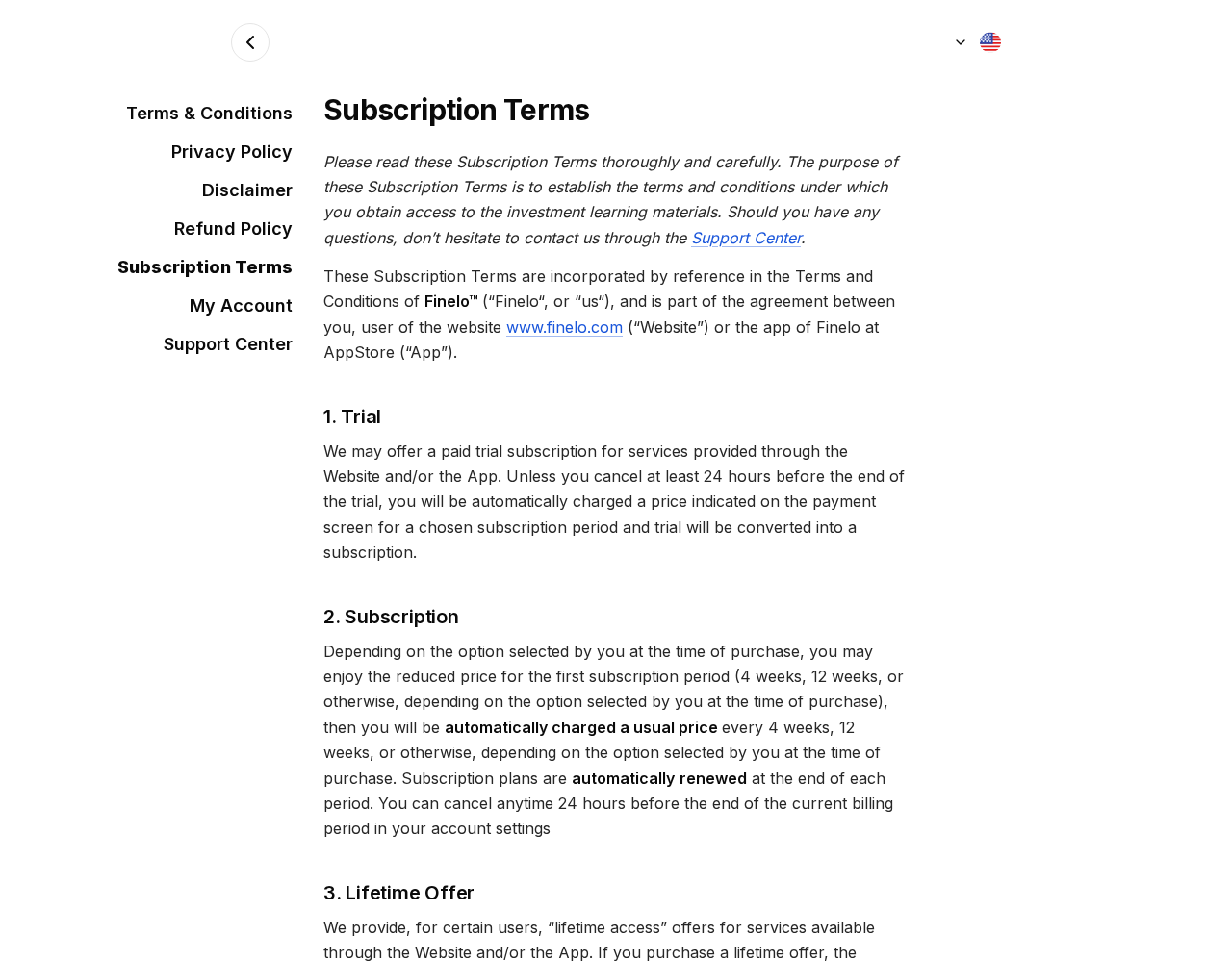
The published subscription terms allow paid trials. They say a trial converts unless canceled at least 24 hours before it expires, at the rate indicated on the payment screen.
The terms also describe reduced first subscription periods, followed by regular prices. Four weeks and 12 weeks are examples; the offer you accepted supplies the applicable interval.
That matters if you plan to decide on the final evening. For a trial ending Friday at noon, the stated cutoff would already be Thursday at noon.
Some users may see a lifetime offer. The terms distinguish it from recurring plans. Don’t apply a lifetime label from someone else’s screenshot to your own checkout.
A four-week billing cycle can land on different dates in consecutive months. If you’re budgeting for a full year, compare the recurring 28-day price with alternatives billed monthly.
For example, 13 four-week periods fit into 364 days. The introductory rate applies to the introductory period, so multiplying that discounted price by 12 can understate the actual cost.
Write down the renewal date and the earlier cancellation cutoff separately. A reminder on your bank statement date could arrive after the next charge has already been scheduled.
Who Is Behind the Offer and the Charge?
Brianna Trades is the Facebook account named in the ruling
You may remember the ad name rather than the name on your statement. The ruling identifies the account as Brianna Trades and names Finelo Ltd as responsible for it.
That helps connect an ad to a service, not a specific card payment. A dispute still turns on your own checkout, receipt and account activity.
The legal contact is not necessarily the name on the ad
The subscription terms list Arnegen Digital Corporation at a Las Vegas contact address. The ASA ruling lists Finelo Ltd in Limassol, Cyprus. Neither address identifies who handled your individual payment.
Use the receipt to identify the company or app store that took your payment. Don’t assume a policy address tells you who made an ad or processed a charge.
A recognizable statement descriptor does not settle consent
Finelo’s bank-charge guide lists variants including vfinelo and quiz.finelo.com. That can help locate a matching receipt, especially when the description doesn’t look exactly like the app name.
That doesn’t settle an unexplained charge. Compare the date and amount against your purchase history and subscription settings. Contact the card issuer if you still don’t recognize it.
Support and refunds depend on how you subscribed
Finelo’s refund help directs website purchasers to support and App Store purchasers to Apple. Its Google Play instructions ask for the order ID.
Installing the app after paying on the website doesn’t change the purchase channel. Use the original receipt, not where you open the service, to decide whom to contact.
Website refund requests are assessed individually under the stated policy and applicable law. Cancellation stops future renewal when effective; it doesn’t automatically refund the payment that already went through.
How to Read a Charge You Didn’t Expect
Start by working out whether you recognize the original purchase. A trial you remember joining and a charge on a card you never entered call for different conversations.
If you recognize the trial, check the checkout and cancellation terms. An unexpected renewal isn’t necessarily unauthorized, but the merchant should be able to identify the offer and charge.
If you canceled before the deadline, pair the renewal receipt with the cancellation confirmation. That timestamp matters more than showing the app is gone from your phone.
If the billing dates don’t line up, look for another account or payment channel. The address used for the web purchase may differ from your Apple or Google account.
Separate a pending transaction from a posted payment when reporting the issue. Give the merchant or issuer the exact status shown, and keep the records of any previous contact.
For a purchase you never made, don’t delay contacting the issuer while searching for an account you may not have. Use the issuer’s verified contact details.
What to Check Before Paying for Finelo
Start with the thing you wanted. If the answer is a paid job, real-money automation or an immediate source of income, the educational subscription is the wrong purchase.
For lessons, set the sales pitch aside. Compare the number of lessons you expect to use, the cost after the discount, and what the practice tools actually let you do.
Look for the amount due now, the next charge, its billing interval and the cancellation cutoff. Save the order summary before paying so you can compare it with the receipt.
Check what any extra offer buys. A separate download or add-on can have terms distinct from the main plan. Don’t assume the same price and refund policy apply to both.
The public pricing page doesn’t establish the renewal amount for every quiz route. Rely on your final order summary rather than somebody else’s advertised price.
Compare the renewal date with your planned use. A course can contain 28 days of material without promising that billing ends after 28 days.
What to Do If Finelo Charged You
-
Find the receipt and identify the purchase route. Check the order date, paid amount and whether the receipt came from Finelo, Apple or Google Play.
-
Cancel through the matching channel. Start from Finelo’s cancellation help for web purchases. For an app-store subscription, check the store account that made the purchase.
-
Keep written confirmation. Save the cancellation screen or email and the date it took effect. Deleting the app or closing the quiz does not provide evidence of cancellation.
-
Request a refund separately. Explain the precise issue, such as a renewal after documented cancellation, an unrecognized charge or an ad describing a different product. Include the relevant records.
-
Ask your card issuer about an unresolved dispute. Use the issuer’s own app or the number on the card. Ask about deadlines rather than assuming the merchant response pauses them.
If the ad misrepresented the service, save the video or page, advertiser name and date. The actual offer is more useful in a complaint than a description from memory.
Don’t send your password, full card number or verification codes to someone who replies to a public complaint offering a refund. Use the purchase channel you verified.
Frequently Asked Questions
Is Finelo a scam or a real app?
It is a real educational service. The ASA ruled that two ads were misleading about investing and risk. That does not establish that every subscription or charge was fraudulent.
Is quiz.finelo.com an online jobs site?
No. The quiz leads into Finelo’s education offer. You should not pay for access expecting job placement, wages or a guaranteed income stream.
Does Finelo trade my money automatically?
The service described in the ruling offered simulated trading, not direct investing. Finelo’s pricing page describes practicing with virtual funds, not withdrawing the gains from the simulator.
Is $19.99 what I’ll pay every four weeks?
Not necessarily. Finelo describes $19.99 as an introductory price. The amount and interval for later charges should be checked on the actual offer and in your account.
When should I cancel a Finelo trial?
The published terms say to cancel at least 24 hours before the trial ends. Check the exact expiry and leave extra time to resolve any access or billing problems.
Will canceling give me a refund?
No refund follows automatically. Cancel future renewals, then submit a separate request through the purchase channel. The policy and applicable rights may differ depending on how you paid.
The Bottom Line
Don’t pay Finelo to get a job or hand real trading over to AI. The product is educational, and the ASA found two ads gave viewers the wrong impression.
If a trial turned into a charge, cancel through the original purchase channel and save the confirmation. Request a refund separately if you dispute the payment.

Join the discussion
0 commentsShare your experience or ask a question about this article.
Discussion
Start the conversation
Have a question or something useful to share? Add the first comment.