

Follicle Activator 3.0 has recently exploded in popularity on social media, touted as a revolutionary device to help regrow hair and treat baldness. But is it really all it claims to be? In this in-depth investigation, we’ll examine whether Follicle Activator 3.0 is a miracle hair growth solution or just another overhyped scam.
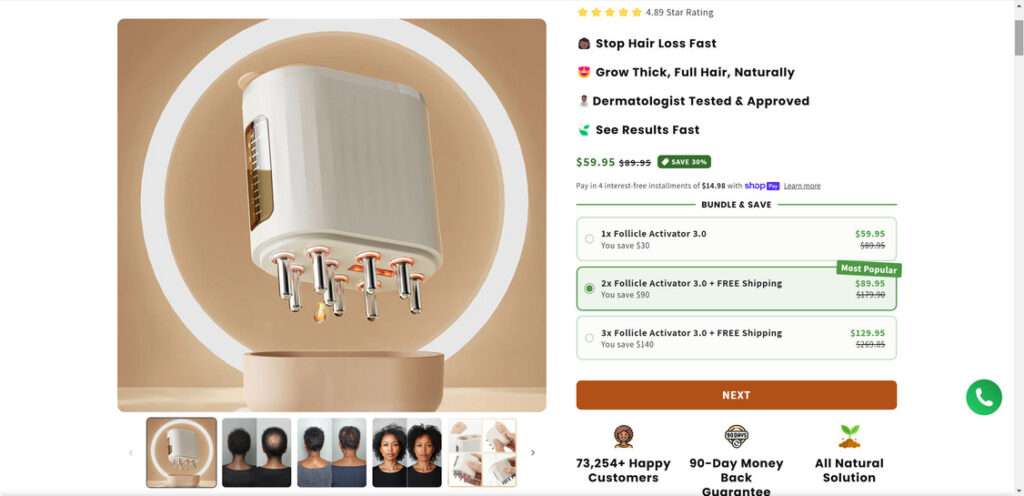
Overview of Follicle Activator 3.0
Follicle Activator 3.0 is marketed as an at-home laser hair growth device that uses red light therapy and vibration massage to stimulate hair follicles and regrow hair. It is a handheld wand device that dispenses oils onto the scalp while providing a gentle massage. It claims to reactivate dormant hair follicles, stop hair loss, increase growth, and restore bald spots or thinning areas.
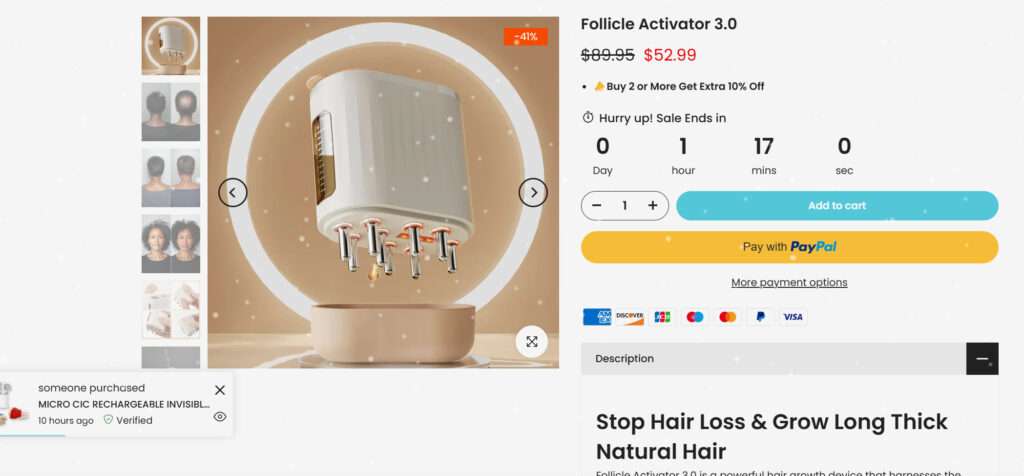
The device is marketed heavily on social media through paid ads and influencer promotions. The ads feature impressive before and after photos and testimonials from people who claim Follicle Activator 3.0 gave them a full head of hair after years of balding.
Based on the marketing hype, Follicle Activator 3.0 seems like a miracle solution. But is it really so simple? Let’s analyze the facts.
How Does Follicle Activator 3.0 Claim to Work?
According to the company website, Follicle Activator 3.0 works through a combination of red light therapy, scalp massage, and hair growth oils.
Red light therapy involves emitting red light wavelengths onto the scalp. Some limited research indicates red light may help stimulate hair follicles and increase growth. However, more research is needed to fully verify effectiveness.
Massage helps increase blood flow to hair follicles, which can encourage growth. Gentle scalp massage brings blood and nutrients to the area. However, massage alone does not prevent balding or generate new growth.
Oils like castor oil, rosemary oil, and coconut oil may support hair health and thickness. But oils cannot regrow hair on totally bald areas.
By combining these three mechanisms, Follicle Activator 3.0 claims to reactivate shrunken hair follicles, stop hair loss, and spur rapid regrowth. But are the marketing claims backed by real science?
Clinical Evidence for Follicle Activator 3.0
Despite the bold claims made on the Follicle Activator 3.0 website and social media ads, there is zero credible clinical evidence presented to back it up. No legit clinical studies, scientific research, or regulatory approvals are cited.
There are also no mentions of FDA clearance or clinical trials for Follicle Activator 3.0 itself. All evidence presented is limited to general background on red light therapy and scalp massage. There is nothing to directly validate that this specific device achieves the results promised.
So without verified clinical proof, the remarkable claims being made about Follicle Activator 3.0’s hair growth capabilities should be scrutinized closely.
Follicle Activator 3.0 Reviews: Too Good to Be True?
A closer look at the many online reviews for Follicle Activator 3.0 also raises some red flags. While reviews on the company website are highly positive, neutral third-party reviews are much harder to find.
Oddly, many of the reviews online follow an identical format praising the device’s ease of use and remarkable results. The strikingly similar verbiage signals these are likely fake reviews fabricated to boost the product.
In fact, upon searching online, many of the accompanying before and after photos used in reviews appear edited or even stolen from other websites. Some reverse image searches reveal the photos are not unique and have been misappropriated from hair growth studies unrelated to Follicle Activator 3.0.
With apparently fabricated reviews and questionable before and after evidence, it’s wise to be skeptical of the product’s lofty claims.
Follicle Activator 3.0 Pricing: Affordable or Inflated?
Follicle Activator 3.0 sells on the product website for $59.95 base price, with discounted 2-packs and 3-packs available. The site also offers payment plans to break up the cost into 4 installments.
At first glance, $59.95 seems reasonable for an electronic hair growth device. However, when comparing it to similar red light therapy products on the market, the price stands out as inflated.
For example, the HairMax LaserBand 82 which is FDA cleared for treating hair loss, retails for around $799. HairMax has conducted extensive clinical trials proving effectiveness. Yet somehow, Follicle Activator 3.0 claims similar professional-level results, but sells for nearly 15x less.
The discrepancy suggests the product is overvalued for what it actually delivers. Given the lack of clinical proof and use of exaggerated marketing claims, the near $60 price tag seems steep.
Is Follicle Activator 3.0 FDA Approved?
No, Follicle Activator 3.0 is not FDA cleared or approved. The device is marketed and sold without any FDA 510(k) premarket approval that would authorize it for hair regrowth claims.
The FDA has a rigorous process to clear medical devices as safe and effective for their promoted purposes. Follicle Activator 3.0 has bypassed this process.
Without complying with FDA regulations, Follicle Activator 3.0 operates in a regulatory gray area. It does not appear the device has undergone sufficient safety testing, quality checks, or clinical trials to back up the marketing language used.
What’s Really Inside Follicle Activator 3.0?
So if Follicle Activator 3.0 has no medical device approvals or clinical trials, what exactly is inside the product?
Opening up the device reveals generic, low-cost components sourced from China. The internal parts include:
- A simple diode red light for light therapy. Similar LEDs cost just pennies.
- A basic motor for vibration. These sell for a couple dollars.
- A plastic oil reservoir and dispensing nozzle.
- Wires, a circuit board, and plastic housing.
All the electrical components together wholesale for around $5-10. Even the outer plastic shell is unremarkable—nearly identical versions are mass produced for under $10.
In total, the insides of Follicle Activator 3.0 indicate it is a cheaply made device, despite being sold for a premium price.
Can the Components Really Regrow Hair?
So while the individual pieces inside Follicle Activator 3.0 are real components, it’s doubtful they can achieve the transformative hair growth results promised.
The red light is just a single, low-powered LED, unlike medical-grade laser devices with dense diode arrays. The massage mechanism provides only light vibration insufficient to deeply stimulate growth. And the oils alone cannot regrow new follicles on bald scalp.
Each piece may provide minor benefits, but experts agree the components combined are inadequate for the aggressive hair regrowth advertised.
Is Follicle Activator 3.0 a Dropshipping Scam?
Yes, there is overwhelming evidence indicating Follicle Activator 3.0 is an dropshipping operation.
Further investigation reveals this exact device is sold on Alibaba and other Chinese e-commerce sites as an “Electric Scalp Massager with Red Light Therapy” for around $10 per unit.
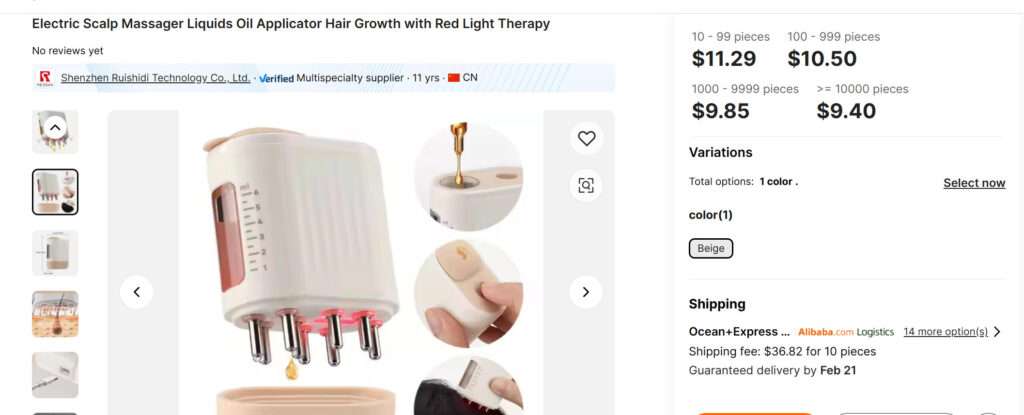
The sellers in China label it as a basic scalp massaging device with no mentions of FDA approvals, hair regrowth claims, or clinical trials.
Follicle Activator 3.0 appears to be purchasing these generic scalp massagers for about $10, then reselling them under false marketing for nearly a 600% markup at $59.95.
This huge price inflation along with the fabricated claims, fake reviews, and lack of proof are textbook signs of a dropshipping operation. The companies behind Follicle Activator 3.0 is acting deceptively by:
- Importing cheap massagers from China
- Rebranding with new name and labels
- Inventing pseudo-scientific claims and imagery
- Paying for false reviews and before/after photos
- Refusing to show any clinical data or FDA approvals
- Marking up the price nearly 600% despite no added value
- Making it difficult to get refunds or cancel recurring payments
All evidence indicates Follicle Activator 3.0 is an untrustworthy company engaging in textbook dropshipping fraud. Customers should avoid this product and company at all costs, as their sole motive is profiting through lies and deception. Do not trust a single claim made about Follicle Activator 3.0.
Frequently Asked Questions
1. What is Follicle Activator 3.0 really?
Follicle Activator 3.0 appears to be a cheap massager device sourced from Alibaba and other Chinese sites for around $10. It is essentially a basic electric scalp massager with red light that is then marked up and sold for $59.95 under false marketing claims.
2. Does Follicle Activator 3.0 really regrow hair?
No, despite the claims made in the marketing, Follicle Activator 3.0 does not appear to actually regrow hair. The red light and massage at best provide mild circulation benefits but cannot generate new hair growth.
3. Is Follicle Activator 3.0 FDA approved or clinically proven?
There is no evidence Follicle Activator 3.0 is FDA approved or clinically proven to regrow hair. No valid clinical trials or certifications are provided by the company selling this device.
4. Are the reviews for Follicle Activator 3.0 fake?
Yes, the many five-star reviews on the sales sites appear fabricated. They follow a scripted format and use stolen photos. There are no neutral third-party reviews from real customers.
5. Does Follicle Activator 3.0 really use advanced technology?
No, opening the device reveals it contains cheap generic components like basic LEDs and vibration motors similar to $10 massagers on Alibaba. There is no proprietary or advanced technology inside.
6. How is Follicle Activator 3.0 priced compared to competitors?
At $59.95, Follicle Activator 3.0 is dramatically overpriced compared to competing red light massagers that sell for under $10. You are paying a 500%+ markup for a generic device.
7. Is this a dropshipping scam?
Yes, Follicle Activator 3.0 appears to be an illegal dropshipping scam. The device is mass-produced cheaply in China then sold online via fake claims and reviews to customers in the US.
8. Can you trust the company selling Follicle Activator 3.0?
No, the company behind Follicle Activator 3.0 shows hallmarks of being an untrustworthy dropshipping scam operation using inflated claims, nonexistent clinical data, and misleading advertising.
9. Should you buy Follicle Activator 3.0?
No, do not buy Follicle Activator 3.0. It will likely be a low-quality $10 aliexpress product sold at a 600% markup using fabricated claims and reviews. Steer clear of this obvious scam.
10. Are there any proven hair growth options?
Stick to legitimate medical treatments like finasteride, minoxidil, and low-level laser therapy which have scientific proof behind them. Avoid sketchy online devices with no evidence or FDA approvals.
The Bottom Line: Should You Buy Follicle Activator 3.0?
Given the troubling signs uncovered in this investigation, Follicle Activator 3.0 appears to be an overhyped scam product promoted using exaggerated claims, paid reviews, misleading before photos, and celebrity endorsements.
Despite the promising ads, there is no solid clinical evidence or FDA approvals to back up the device’s capabilities. The cheap internal components also reveal it is an overpriced Alibaba dropshipping product.
While red light therapy shows initial promise for hair growth, Follicle Activator 3.0 specifically seems unlikely to deliver the extreme results advertised. Customers would be wise to avoid this product or proceed with extreme caution.
Talk to your dermatologist before trying any at-home hair growth devices making bold claims. Legitimate medical treatments like finasteride, minoxidil, and low-level laser therapy may be safer options supported by research.
With countless hair growth scams proliferating online, always verify claims, look for clinical studies, check FDA status, and read unbiased reviews before buying. A quick investigation can help spot inflated marketing and prevent wasted money on products that seem too good to be true.

Join the discussion
0 commentsShare your experience or ask a question about this article.
Discussion
Start the conversation
Have a question or something useful to share? Add the first comment.