

Scams have become increasingly prevalent in the digital age, with cybercriminals constantly devising new ways to deceive unsuspecting individuals. One such scam that has gained traction in recent years is the ‘Free Box of Krispy Kreme Doughnuts’ Facebook scam. This article aims to shed light on this scam, providing a detailed analysis of what it is, how it works, what to do if you have fallen victim, and the technical details behind it.
What is the ‘Free Box of Krispy Kreme Doughnuts’ Facebook Scam?
The ‘Free Box of Krispy Kreme Doughnuts’ Facebook scam is a deceptive scheme that aims to trick users into believing they can receive a complimentary box of doughnuts from the popular bakery chain, Krispy Kreme. The scam typically appears as a post or advertisement on Facebook, enticing users with the promise of free doughnuts in exchange for completing a series of tasks or sharing the post with their friends.
These tasks often involve clicking on malicious links, filling out surveys, or providing personal information, such as email addresses or phone numbers. The scammers behind this scheme exploit the widespread popularity of Krispy Kreme and the desire for freebies to lure unsuspecting users into their trap.
How Does the Scam Work?
The ‘Free Box of Krispy Kreme Doughnuts’ Facebook scam operates through a series of steps designed to deceive users and extract their personal information or engage them in malicious activities. Here is a breakdown of the typical process:
- The scam begins with a post or advertisement on Facebook, claiming to offer a free box of Krispy Kreme doughnuts.
- Users who are enticed by the offer click on the post or advertisement, which redirects them to a fraudulent website or landing page.
- On the fraudulent website, users are prompted to complete various tasks, such as filling out surveys, sharing the post with friends, or clicking on links.
- These tasks are designed to collect personal information or engage users in malicious activities, such as downloading malware onto their devices.
- Once users have completed the tasks, they are often redirected to another page that claims they have successfully qualified for the free doughnuts.
- However, in order to claim the free doughnuts, users are required to provide additional personal information, such as their name, address, and contact details.
- At this point, scammers have successfully obtained users’ personal information, which can be used for various nefarious purposes, such as identity theft or phishing attacks.
What to Do If You Have Fallen Victim?
If you have fallen victim to the ‘Free Box of Krispy Kreme Doughnuts’ Facebook scam, it is crucial to take immediate action to protect yourself and minimize the potential damage. Here are the steps you should follow:
- Disconnect from the internet: As soon as you realize you have been scammed, disconnect from the internet to prevent further unauthorized access to your personal information.
- Scan your device for malware: Run a thorough scan of your device using reliable antivirus software, such as Malwarebytes Free, to detect and remove any malware that may have been installed.
- Change your passwords: Change the passwords for all your online accounts, especially those that may have been compromised during the scam. Use strong, unique passwords for each account to enhance security.
- Monitor your accounts: Keep a close eye on your bank accounts, credit cards, and other financial accounts for any suspicious activity. Report any unauthorized transactions to your bank or financial institution immediately.
- Be cautious of future scams: Learn from the experience and be vigilant when encountering similar offers or promotions in the future. Be skeptical of anything that seems too good to be true and always verify the legitimacy of the source.
Technical Details of the Scam
Understanding the technical aspects of the ‘Free Box of Krispy Kreme Doughnuts’ Facebook scam can provide valuable insights into the methods employed by cybercriminals. Here are some key technical details:
- Social engineering: The scam relies heavily on social engineering techniques to manipulate users into taking specific actions. By leveraging the desire for free doughnuts and the trust associated with the Krispy Kreme brand, scammers exploit human psychology to achieve their goals.
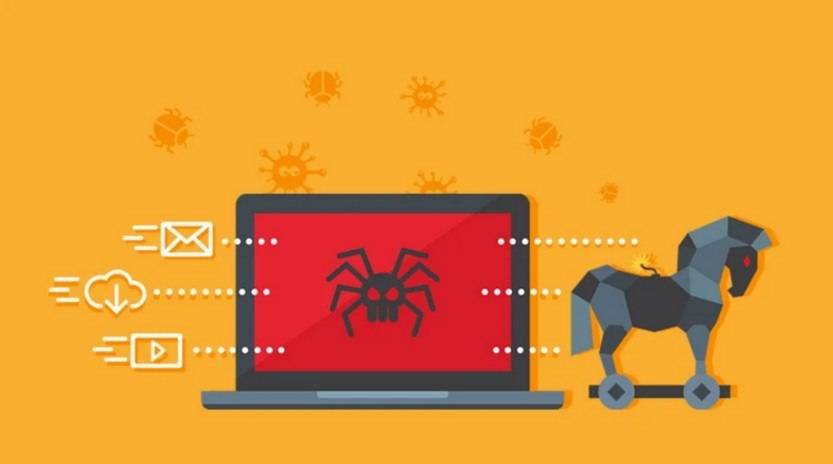
- Malicious links: The fraudulent websites or landing pages often contain malicious links that can lead to the installation of malware on users’ devices. These links may appear harmless or disguised as legitimate sources, making it difficult for users to identify the threat.
- Data harvesting: The tasks users are prompted to complete are designed to collect personal information, which can be used for various malicious purposes. This data harvesting can lead to identity theft, phishing attacks, or even the sale of personal information on the dark web.
- Phishing attacks: In some cases, scammers may use the personal information obtained through the scam to launch targeted phishing attacks. By posing as legitimate entities, such as banks or online retailers, scammers attempt to trick users into revealing sensitive information, such as login credentials or credit card details.
Statistics on Facebook Scams
Facebook scams, including the ‘Free Box of Krispy Kreme Doughnuts’ scam, have become a widespread issue affecting millions of users worldwide. Here are some alarming statistics:
- In 2020, Facebook reported removing over 1.3 billion fake accounts, many of which were involved in scam activities.
- According to a survey conducted by the Better Business Bureau, 30% of respondents reported falling victim to a scam on Facebook.
- Scammers have been known to target vulnerable populations, such as the elderly, who may be more susceptible to manipulation and less familiar with online scams.
Summary
The ‘Free Box of Krispy Kreme Doughnuts’ Facebook scam is a deceptive scheme that preys on users’ desire for freebies and trust in the Krispy Kreme brand. By understanding how this scam operates and the technical details behind it, users can better protect themselves from falling

Join the discussion
0 commentsShare your experience or ask a question about this article.
Discussion
Start the conversation
Have a question or something useful to share? Add the first comment.