

Clearing piled-up snow and ice off your car by hand can be a real hassle. Who wouldn’t love a convenient gadget that does the dirty work for you? But buyers should beware of a new product called the FrostGuard Anti Snow Car Device that makes big promises it can’t deliver.
This article will reveal how the FrostGuard snow remover is a complete scam designed to siphon money from customers. We’ll analyze the deceptive sales tactics, explain how to avoid becoming a victim, and provide steps to take if you already placed an order. Let’s dive in and keep your wallet protected this winter.
An Overview of the FrostGuard Snow Removal Scam
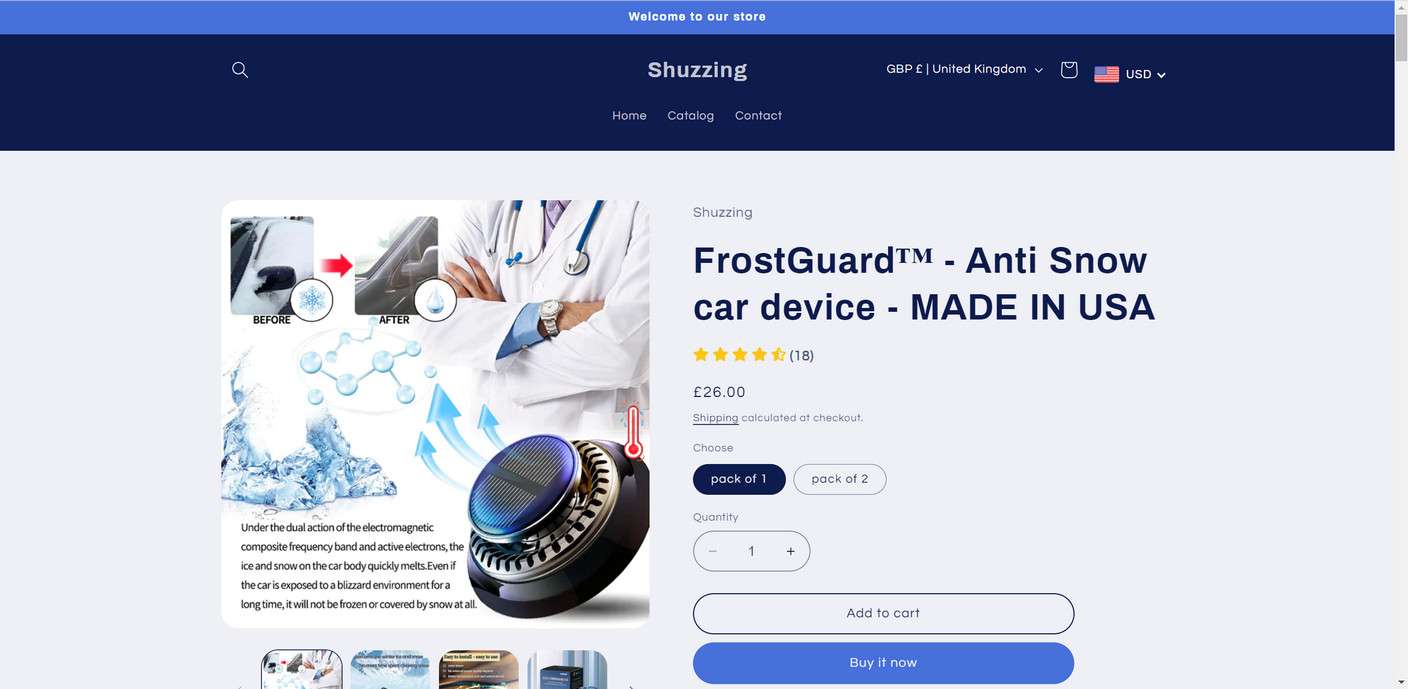
A flashy new product called FrostGuard has exploded in popularity online, promoted aggressively on social media and suspicious sales websites. Advertisements claim this compact device can automatically clear snow and prevent ice formation on cars using “advanced technology inspired by NASA.”
Specifically, FrostGuard purportedly harnesses something called “Electromagnetic Molecular Interference” to destabilize the structure of frozen water, causing it to quickly melt when contacting the vehicle’s surface. The ads boast it requires no manual scraping or effort from the owner.
However, tech experts urge extreme caution, flagging this viral product as a deceptive scam. Here are some of the top reasons to be wary of FrostGuard:
- Dubious “NASA-Inspired” Claims: No evidence supports assertions that real NASA or Mars Rover tech is used. This looks to be a false marketing tactic.
- Coordinated Sales Websites: The promotional sites share very similar templates, limited contact info, and claims – hallmarks of shady operations.
- Shifting Ads and Domains: The marketing frequently changes names, domains, and messaging – a known scammer maneuver to avoid oversight.
- No Credible Customer Reviews: No genuine positive reviews exist demonstrating FrostGuard works as described under real-world conditions.
- Resembles a $2 Air Freshener: FrostGuard bears a striking resemblance to cheap generic car air fresheners available everywhere.
- Refusal of Refunds: The sites promote ironclad no-refund policies, preventing victims from recovering lost money when no product arrives.
In summary, the synchronized marketing efforts, grandiose claims of “revolutionary technology,” and lack of transparency should give prudent buyers pause before purchasing FrostGuard.
How the FrostGuard Snow Removal Scam Works
The promoters of FrostGuard rely on a variety of deception and pressure tactics to trick customers into ordering their non-existent product. Here is an inside look at how this predatory scam operates.
1. Baiting With Social Media Hype
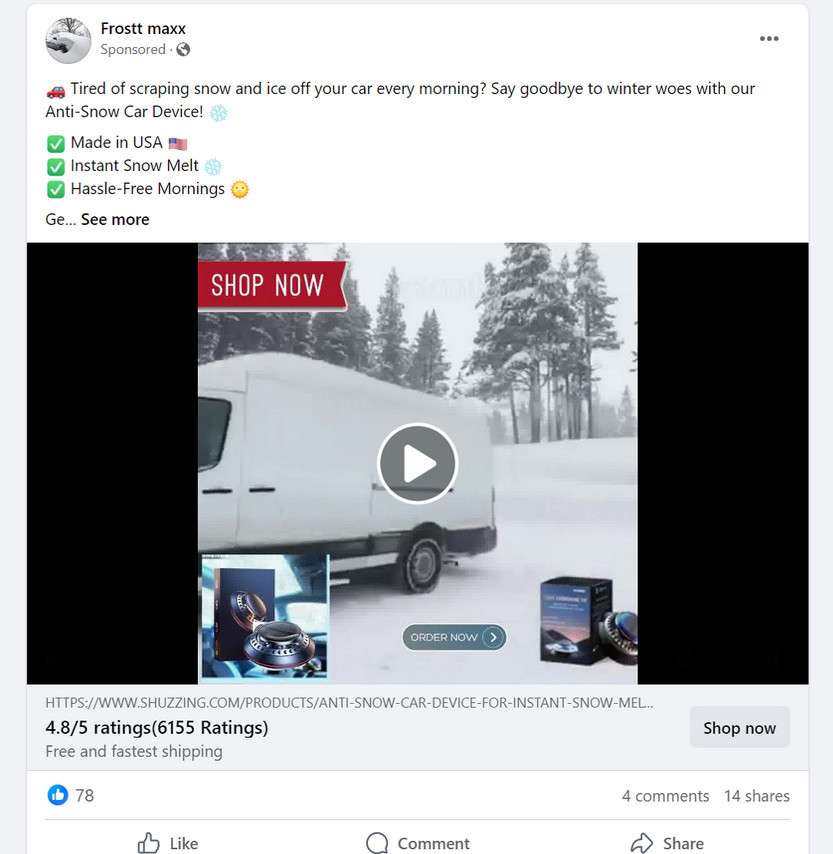
The scam frequently starts with enticing Facebook, Instagram, and YouTube ads boasting that FrostGuard is a “groundbreaking new technology” that takes the hassle out of winter car maintenance.
Phrases like “Say goodbye to scraping ice!” and “Clear snow instantly without any work!” along with CGI videos aim to convince people this compact device is a real innovation.
2. Funneling to Elaborate Sales Websites
Clicking the ads leads to sophisticated sales websites littered with fake 5-star reviews all praising FrostGuard.
These interconnected sites share very similar templates, stock photos, unbelievable claims, and pricing, pointing to an integrated scam network behind them.
3. Using Scientific Buzzwords to Sound Legitimate
To appear high-tech, the websites describe how FrostGuard uses invented terms like “Electromagnetic Molecular Interference” and “Hyperwave Emissions” to explain its snow melting capabilities.
Of course, none of these fancy buzzwords have any real scientific meaning. They are fabricated technobabble.
4. High Pressure Limited-Time Offers
False scarcity creates urgency with claims of “Only 7 units left!” and countdown timers pressuring customers to purchase before the discounted pricing expires.
In reality, the limited-time offers never end. The goal is to rush people into buying before they scrutinize the too-good-to-be-true claims.
5. Anonymous Seller Details
No business names, physical addresses, or phone numbers are provided beyond suspicious email addresses like support@frostguard-tech.com.
This lack of verifiable details prevents customers from validating they are dealing with a real company rather than scammers.
6. Refusing Refunds
The websites prominently display no-refund policies, preventing angry customers from recovering their money when no product arrives.
7.Never Shipping the Advertised Product
Ultimately, no functional FrostGuard devices exist to ship to customers. Victims either receive nothing, a cheap generic air freshener not as advertised, or just endless fake shipping updates.
The only goal is to collect as many payments as possible from people tricked into thinking FrostGuard is a real functioning product. Educating yourself on these deceptive techniques is key to avoiding becoming a victim.
What To Do If You’re a Victim of the FrostGuard Scam
If you placed an order for a FrostGuard Anti Snow Device and now believe it was fraudulent, here are the key actions to take right away:
1. Contact Your Credit Card Company
Since most victims pay by credit card, immediately call your card issuer to report the charges as unauthorized. Request a chargeback refund due to non-delivery of the promised product. Provide any supporting details like the order confirmation.
2. Report Details to Authorities
File a scam complaint with the Federal Trade Commission at ReportFraud.FTC.gov and the Better Business Bureau at BBB.org/scamtracker. Provide the seller names, website details and any information you have so they can investigate. The more complaints filed, the better.
3. Monitor Your Credit Reports
Check your credit reports at AnnualCreditReport.com to ensure no accounts were fraudulently opened in your name. Dispute any suspicious entries and enable credit freezes if signs of wider identity theft appear.
4. Reset Account Passwords
Change the passwords on your main online accounts like email, Amazon and banking as a precaution. Use strong unique passwords and enable two-factor authentication for extra protection.
5. Beware Repeat Attempts
Scammers may target past victims again in the future with other fraudulent offers. Be very wary of any unsolicited calls, emails or texts from marketers going forward.
6. Warn Your Social Network
Let your family and friends know about the scam to help prevent them from falling for it too. Post reviews detailing your experience on consumer sites to create greater awareness.
By acting swiftly, you can limit the headaches and financial damage from this snow removal device scam. Don’t let shame keep you from reporting it. Scammers rely on silencing victims.
How to Spot FrostGuard Facebook Ads
FrostGuard relies heavily on Facebook ads to attract potential victims. Here are some telltale signs an ad you see is connected to the FrostGuard scam:
- Sensational Headlines like “New futuristic device melts snow instantly!” or “NASA technology eliminates winter car chores!” to grab attention.
- Too-Good-To-Be-True Claims about clearing entire vehicles of snow and ice automatically with a tiny device.
- Video Footage showing cars effortlessly shedding thick snowbanks after installing the device. Usually unrealistic CGI animation rather than real footage.
- Pseudo-Scientific Jargon mentioning “Electromagnetic Molecular Interference,” “Hyperwave Emissions,” or other scientific-sounding terms that are fabricated.
- Links to Sketchy Websites rather than well-known retailers. The site domains are often registered in 2022 or 2023.
- No Credible Reviews beyond fake-looking 5-star testimonials on the sellers’ own website. Comments disabled on the Facebook ads.
- Countdown Timers or claims of “Limited supply!” to pressure customers into purchasing quickly before the discounted pricing expires.
- Credit Card Pushing with shady payment links rather than more secure options like PayPal that offer buyer protection.
If you spot multiple suspicious signs like these in a Facebook ad about snow removal technology, proceed with extreme caution before providing any personal information or payment details. Do your research to confirm legitimacy first.
Frequently Asked Questions about the FrostGuard Snow Removal Scam
What is FrostGuard?
FrostGuard is a fake product heavily marketed online as a high-tech way to remove snow and prevent ice from forming on vehicles. But it is really a scam aimed at tricking customers into paying money for a non-existent product.
How does FrostGuard supposedly work?
The ads claim FrostGuard uses advanced electromagnetic frequencies to molecularly disrupt frozen water and force it to slide off vehicles with no manual labor. But this is fiction with no scientific validity.
What are the signs it’s a scam?
Multiple red flags indicate FrostGuard is a scam, including exaggerated pseudo-scientific claims, recently registered product websites, frequently shifting domains/product names, no customer reviews showing it actually works, and refusing to issue refunds.
What happens if I order FrostGuard?
You will not receive a real working FrostGuard device. The scammers will simply take your money without shipping anything. They will usually send fake shipping confirmations to string victims along before disappearing.
Can I get a refund if I realize it’s a scam?
If you paid by credit card, you can request a chargeback from your card issuer within 90 days for non-receipt of goods. Debit payments are harder to recover. Crypto, wire transfers or gift cards likely cannot be refunded at all. Act quickly.
Who is behind the FrostGuard scam sites?
The people behind the sites conceal their identities. The domains are registered anonymously and use privacy services to hide the owner details. Scammers know exposing themselves risks legal action.
Is there a real company called FrostGuard?
No, there is no legitimate business called FrostGuard Labs or anything similar. The scammers invented a fake company name and backstory to appear more credible. All the websites are operated by anonymous scammers.
Are the positive FrostGuard reviews real?
No, the reviews are completely fabricated. Scam websites always contain fake 5-star reviews from non-existent users to fool potential buyers. Any product with only positive reviews on its own site should be suspect.
Where can I report this scam?
Report it to the Federal Trade Commission at ReportFraud.FTC.gov and the Better Business Bureau at BBB.org. Include copies of the ads, domains, and any other details. This helps authorities track down the scammers.
How can I avoid this type of scam in the future?
Be very cautious of “breakthrough” products pushed heavily on social media that seem too amazing to be true. Research both the product and seller extensively before buying. Beware of pressure sales tactics and prices that seem suspiciously low.
The Bottom Line on the FrostGuard Snow Removal Scam
The bottom line is any product making extraordinary claims but lacking extraordinary proof should raise immediate red flags. A close look at the facts reveals the heavily marketed FrostGuard device has no substance beyond slick websites and sensational videos.
There is simply no credible evidence that this compact gadget contains groundbreaking snow melting technology as advertised. No prototypes, patents, independent tests or even basic company credentials exist in the public domain.
Until fundamental proof of concept and capabilities are demonstrated, extreme caution is clearly warranted. And with so many legitimate established options available for winter vehicle care, there’s no reason to gamble money on an unproven mystery device.
In the end, allowing hope to overrule common sense is exactly what predatory scammers count on. But by carefully scrutinizing products like FrostGuard, we can make wise purchasing decisions and avoid falling victim to empty promises. Your money is precious, so spend it on solutions you can truly trust.

Join the discussion
0 commentsShare your experience or ask a question about this article.
Discussion
Start the conversation
Have a question or something useful to share? Add the first comment.