

Golf enthusiasts are being targeted by an online scam promising huge discounts on premium golf bags from popular brands like Ghost Golf. Scammers are running ads on social media platforms like Facebook, Instagram and TikTok promoting clearance sales on Ghost Golf bags for only $19.9, $29.9 or $39.9. But buyer beware – these ads are a scam designed to steal your money and personal information.
This article will provide an in-depth look at how the Ghost Golf Bag scam works, the red flags to watch out for, and most importantly, how to protect yourself from falling victim. With online shopping fraud on the rise, it’s crucial that consumers stay vigilant against scams like this that seem too good to be true.
Overview of the Scam
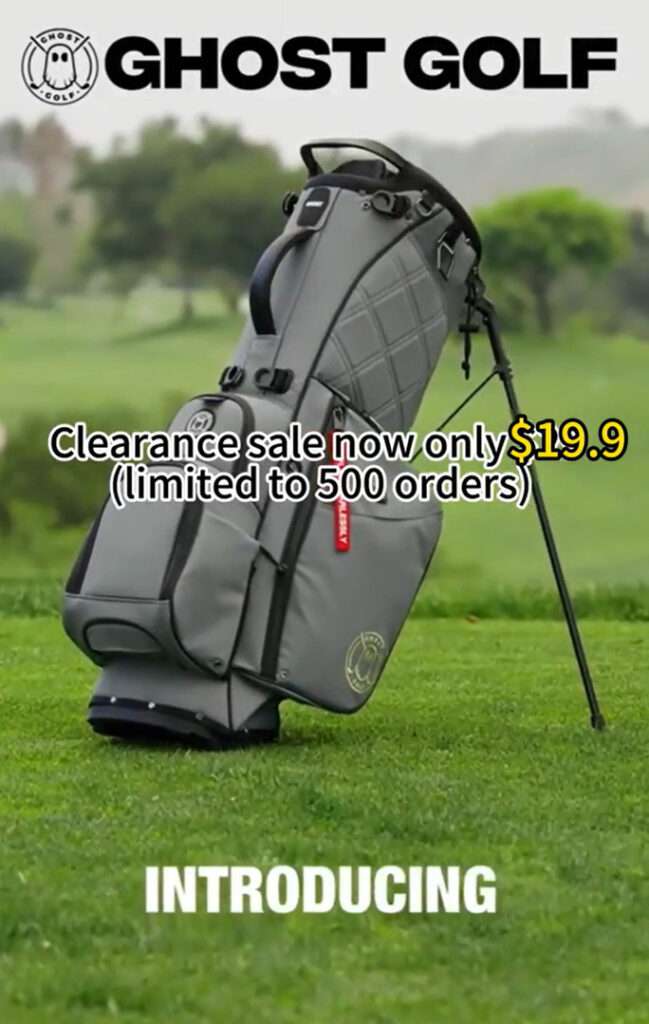
The Ghost Golf Bag scam operates by placing online ads promoting huge discounts on premium golf carry and cart bags from the popular brand Ghost Golf. Scammers typically advertise clearance prices of $19.9, $29.9 or $39.9 for bags that normally retail for several hundred dollars.
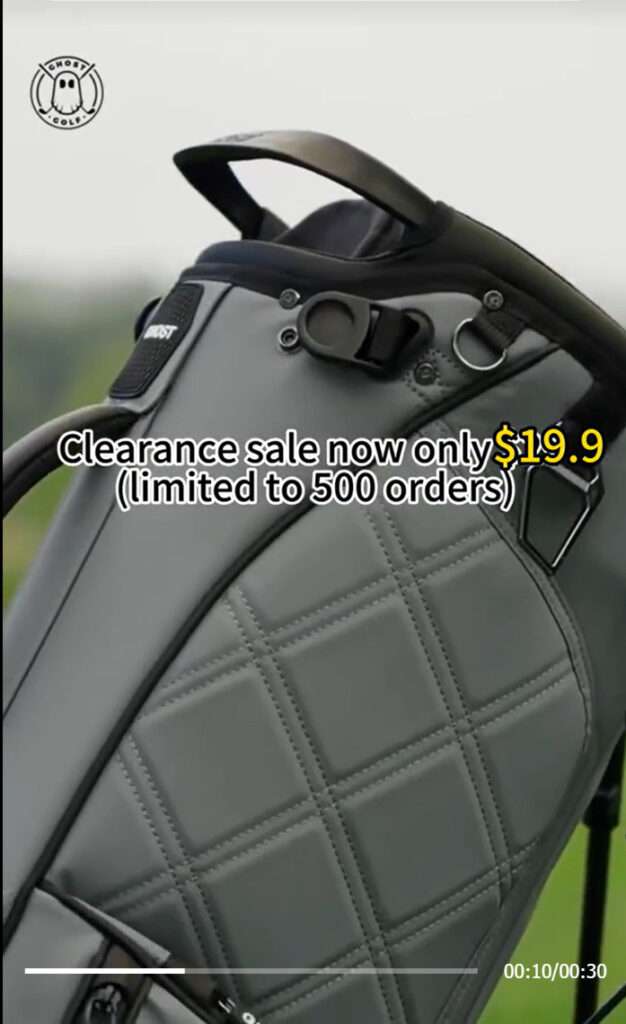
The ads are designed to look official and are usually promoted on social media sites like Facebook, Instagram and TikTok. They often use Ghost Golf branding and real product images to appear legitimate.
If you click on one of these ads, you are taken to a website that looks like a Ghost Golf online store, but is actually a scam site set up by fraudsters. Examples of known scam sites used include codorpe.com, bellaiy.com, and cheapitems.com.
These fake storefronts continue the ruse by using Ghost Golf’s trademarked logos, photos and branding throughout the site. To the untrained eye, it looks like a real ecommerce store offering clearance prices on golf bags.
However, if you attempt to purchase one of these deeply discounted Ghost Golf bags, you will likely have your personal and payment information stolen by scammers. At best, you may receive a cheap, knock-off golf bag instead of an authentic Ghost Golf product. At worst, you could have your identity or money stolen.
This scam has been also investigated by Jordan Liles on his YouTube channel, where he offers a detailed video on the subject. We recommend watching his content for a comprehensive understanding of the scam.
Next, let’s break down exactly how scammers carry out this scam from start to finish.
How the Ghost Golf Bag Scam Works
Here is a step-by-step breakdown of how the Ghost Golf Bag scam operates to trick victims:
1. Scam Ads Posted on Social Media
The scam begins with an ad posted on Facebook, Instagram, TikTok or other platforms promoting a huge clearance sale on Ghost Golf carry and cart bags. For example:
“Ghost Golf Bag Clearance! Get the Maverick Stand Bag for just $29.99 (Retails for $250)! Limited stock available at these crazy low prices!”
The ad usually includes an enticing discount (up to 90% off retail), urgency to act fast before stock runs out, and use real Ghost Golf product photos. This makes the scam harder to detect.
2. Click Ad Takes You to a Fake Ecommerce Store
When you click on the social media ad, you are taken to a website dressed up to look like the real Ghost Golf online store. But in reality, this is a scam site designed to steal your personal and payment data.
Some examples of known fake store domains are codorpe.com, bellaiy.com and cheapitems.com. Everything from the logo, product images and branding are stolen to look legit.
3. Provide Your Personal and Payment Information
On the scam site, you are prompted to provide your name, address, phone number and credit card information to complete the golf bag purchase. This is exactly what the scammers want you to do.
By inputting your details, you are handing over valuable personal information that puts you at risk of identity theft. Your payment info gives the scammers direct access to your finances.
4. Receive a Fake Golf Bag or Nothing at All
Once you place the order, one of two things will likely happen. You may receive a cheap, counterfeit golf bag that looks nothing like the real Ghost product shown online. Or, you won’t receive anything at all as scammers take your money and disappear.
Either way, your personal information has been compromised and can be used or sold on the dark web for identity theft scams. Credit cards may be charged monthly for fake subscription services you never signed up for.
5. No Way to Get Your Money Back
When victims of the scam try to get in touch with customer service to get a refund, they find it impossible. Phone numbers don’t work or emails bounce back. There is no way to recover lost money or stop recurring credit card charges.
Fake sites like codorpe.com and bellaiy.com are designed to scam victims out of money, steal personal information, and then disappear without a trace. These shady operators are masters at covering their tracks.
Red Flags of the Ghost Golf Bag Scam:
While the Ghost Golf Bag scam can look pretty convincing on the surface, there are some clear warning signs to watch out for:
- Prices Too Good to Be True – Ghost Golf bags retail for $200 to $500 normally. So clearance prices of $19.99 or $29.99 are unrealistic. These absurdly low prices are a huge red flag it’s a scam.
- High Pressure Tactics – Scam ads use urgency and limited time deals to get you to buy without thinking. Being pressured to act fast is a telltale sign of a scam.
- Only Available Online – Authentic Ghost Golf bags are sold by many major retailers online and in stores. The fact these deals are online-only is suspicious.
- Spelling and Grammar Errors – Scam sites like codorpe.com have spelling, grammar and formatting errors throughout. Sloppy design is a clue it’s not a real store.
- No Physical Address Listed – Check the contact page and you won’t find a real address. Ghost Golf is based in Dallas, Texas but scam sites don’t want to be located.
- No Customer Service Number – Scam sites make it impossible to call a support number. Without a way to contact them, you’re cut off once you pay.
- No Secure Checkout – Legit ecommerce stores use encryption to protect checkout. Shady sites have no https or padlock icon in the URL.
Heeding these red flags can prevent you from getting ripped off by the Ghost Golf Bag scam.
What to Do If You Already Fell for the Scam
If you already provided your personal information or credit card number to one of these Ghost Golf Bag scam websites, take these steps right away to limit the damage:
- Contact Your Credit Card Company – Call your credit card provider immediately and explain you believe your card details were stolen for a scam purchase. They can freeze the card, dispute the charges, and issue a new one.
- Review Credit Card Statements – Closely monitor your credit card statements over the next few months for any unfamiliar recurring charges. Scammers may sign you up for unwanted subscription services.
- Place Fraud Alert – Contact one of the three credit bureaus to place a fraud alert on your name and social security number so no new lines of credit can be opened without your approval.
- Change Online Account Passwords – Update the passwords on all your online accounts, especially banking and shopping sites. Use unique, complex passwords for each account.
- Check Credit Reports – Obtain your free annual credit reports from Equifax, Experian and TransUnion to check for any suspicious activity and freeze credit if needed.
- File Complaint With Authorities – Report the scam to the FTC, state attorney general, and IC3 to help warn others and potentially build a case against the scammers.
- Issue Chargeback – If credit card charges were fraudulent, request a chargeback from the card issuer to reverse the charges and get your money back. Provide evidence it was a scam.
Staying vigilant by monitoring statements, signing up for account alerts and checking credit reports regularly can help prevent major identity theft damage after falling prey to the golf bag scam.
Frequently Asked Questions About the Ghost Golf Bag Scam
1. What is the Ghost Golf Bag scam?
The Ghost Golf Bag scam is an online scheme where scammers advertise huge discounts on premium golf carry and cart bags from the popular brand Ghost Golf. Fake ads posted on social media sites like Facebook and Instagram promote clearance prices of $19.99 to $39.99 for Ghost Golf bags that normally cost between $200 to $500. However, the discounted deals are fake and designed to steal your personal information and money.
2. How does the Ghost Golf Bag scam work?
The scam begins with an enticing ad promoting Ghost Golf bags at up to 90% off retail prices. If you click the ad, you are taken to a fake ecommerce website dressed up to look like the real Ghost Golf online store. You are prompted to enter your personal and payment details to purchase the deeply discounted golf bag. But in reality, the site is a scam to steal your information. At best you might receive a cheap knock-off bag, but more likely the scammers take your money and disappear.
3. What are some red flags of the Ghost Golf Bag scam?
Some clear warning signs include: absurdly low prices like $19.99 for a $500 golf bag, high pressure tactics to buy quick, only available online, grammatical errors, no physical address, lack of customer service number, insecure checkout process, and no HTTPS or padlock icon in URL.
4. What scam websites are associated with this Ghost Golf scam?
Known scam websites dressed up to look like Ghost Golf’s online store include codorpe.com, bellaiy.com, and cheapitems.com. Any site with one of these domains should be avoided. Only purchase directly from Ghost Golf’s real website or authorized retailers.
5. What should I do if I already provided my information to this scam?
If you already entered your details, immediately contact your credit card company to freeze your card and dispute the charges. Closely monitor statements for any unfamiliar subscriptions or charges from the scammers. Place a fraud alert on your credit, change account passwords, check credit reports, file complaints with authorities, and issue a credit card chargeback if applicable.
6. How can I avoid falling victim to the Ghost Golf Bag scam?
Only buy directly from Ghost Golf’s real website or authorized retailers. Research sellers before purchasing. Beware unbelievable prices that seem too good to be true. Read site details carefully looking for red flags. Never rush to buy from high pressure ads. Use a credit card when shopping online for added protection.
7. Where can I report the Ghost Golf Bag scam?
You can file a complaint about this scam with the Federal Trade Commission (FTC), your state attorney general’s office, the FBI’s Internet Crime Complaint Center (IC3), and the Better Business Bureau (BBB). Reporting scams helps warn others and builds cases against fraudsters.
8. How can I spot online shopping scams in general?
Be wary of deals that seem too good to be true, high-pressure sales tactics, prices much lower than elsewhere, major spelling/grammar errors, no customer service contact, lacking company details, suspicious URLs (no HTTPS), and no mention of refund policies. Only shop on secure sites of reputable retailers.
9. What precautions should I take when shopping online?
Research sellers, use credit cards instead of debit cards, look for site security features like HTTPS and padlocks, avoid linking bank account numbers, never wire money to unknown parties, price compare items across retailers, inspect products upon arrival, and promptly report any suspicious activity.
10. Where can I learn more about online shopping scams?
Trusted resources for learning about current online retail scams and ways to protect yourself include the FTC Consumer Information site, BBB Scam Tracker, AARP Fraud Watch Network, your local consumer protection agency, and finance sites like NerdWallet and Clark.com that post scam alerts.
The Bottom Line on Avoiding the Ghost Golf Bag Scam
The bottom line is consumers must be extremely cautious when seeing online offers for premium golf products like Ghost Golf bags at clearance prices. If an ad or website seems questionable, avoid clicking or providing any personal information to stay safe.
To recap, main ways to steer clear of this scam include:
- Verify seller legitimacy before purchasing. Only buy directly from Ghost Golf’s real website or authorized retailers.
- Beware unbelievable prices that seem too good to be true – they usually are.
- Read site details carefully. Look for faulty grammar, design flaws and no contact information.
- Never feel rushed by high-pressure sales tactics. Take time to research before buying.
- Check third party reviews to confirm others didn’t get scammed buying a product.
- Use a credit card when shopping online for added fraud protection. Avoid using debit cards or direct bank transfers.
Consumers have the power to protect themselves from the Ghost Golf Bag scam by being informed and proactive. Share this article to help spread awareness about how this golf








