

In recent weeks, a product called the Josfit Ultrasonic Bracelet has exploded in popularity online. Marketed as a revolutionary fat blasting, detoxing, and anti-aging bracelet, countless customers have purchased the Josfit Ultrasonic Bracelet in hopes of effortless weight loss and youth restoration.
However, the Josfit Ultrasonic Bracelet is not what it claims to be. This article will uncover the truth behind the Josfit scam, explaining how it works, what victims of the scam can do, and the bottom line on this deceptive product.
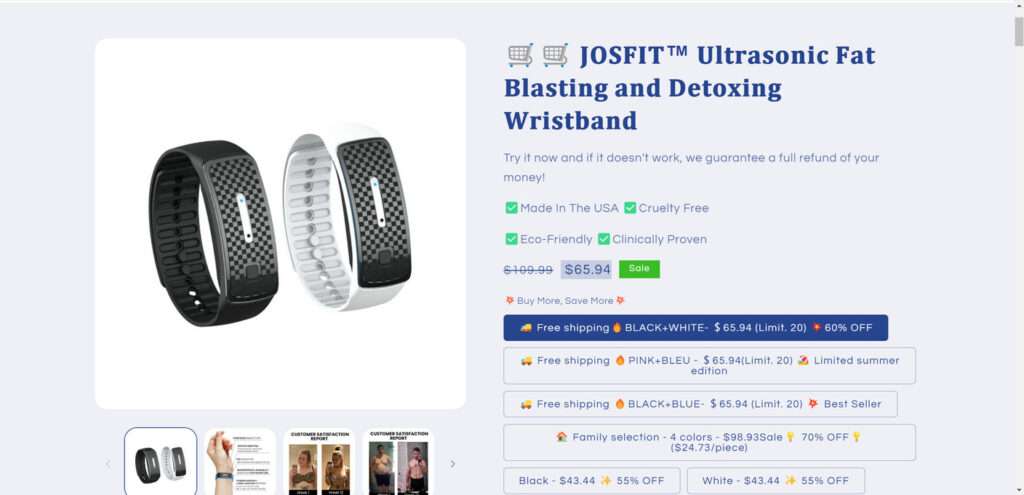
Scam Overview
The Josfit Ultrasonic Bracelet scam is a prime example of deceptive online marketing practices designed to take advantage of vulnerable consumers. This bait-and-switch scheme has robbed thousands of customers out of millions of dollars collectively.
By creating an aura of credibility using fake celebrity endorsements, purchased stock photos, and fabricated scientific claims, the scammers behind Josfit have managed to extract profits exceeding 600% on each $65 sale. Their slick marketing and high-pressure sales tactics specifically target individuals struggling with weight issues who are desperate for a solution.
The way the scam works is devious but effective. The scammers set up dozens of promotional websites and social media pages promoting the Josfit bracelet. These materials are filled with stock images of people undergoing impressive body transformations. Of course, none of these photos actually show real Josfit users since the product does not work.
Sprinkled amongst these stolen before-and-after photos are glowing reviews describing life-changing fat loss from using the Josfit bracelet. “I lost 37 pounds in 8 weeks!” one review exclaims. “My final results were incredible. This product is perfect and effective,” another states. However, these reviews are completely fabricated. There are no real Josfit customers who have lost significant weight.
To lend credibility to their false claims, the scammers also incorporate fake celebrity endorsements. Their websites and ads feature well-known stars like Simon Cowell, Wendy Williams, and Whoopi Goldberg claiming Josfit helped them lose weight and look younger. They include fake quotes like “I couldn’t believe the immediate results I got from Josfit!” or “This is a miracle wellness bracelet. It transformed my body.” In reality, no celebrities have ever endorsed or even used this scam product.
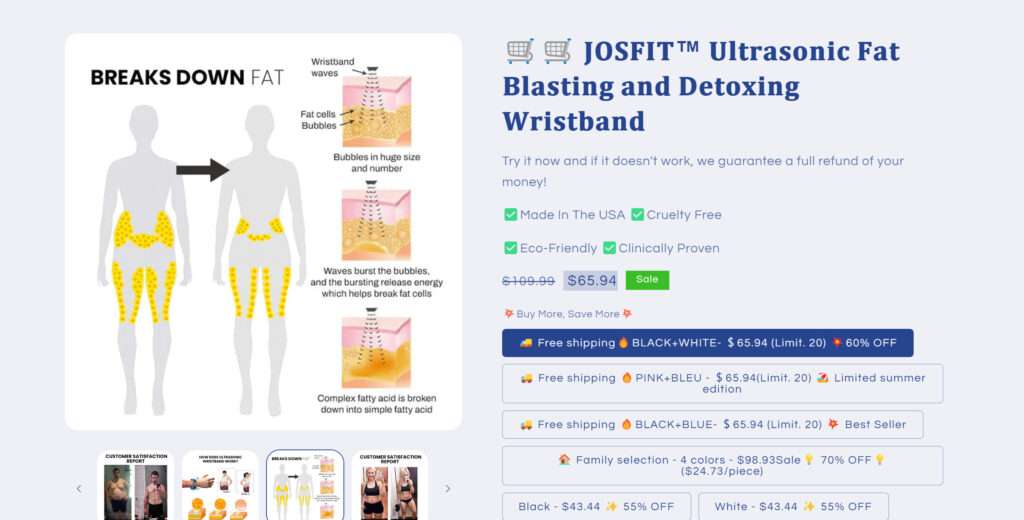
The Josfit websites also use scientific terminology and diagrams to describe how the bracelet supposedly works through “ultrasonic cavitation.” This is intended to make the weight loss claims sound legitimate. They include passages like “When sound waves propagate into the bodily fluids, the pressure changes cause tiny bubbles to form in the liquid. These bubbles rapidly expand and contract under the pressure, generating high temperatures and pressures to promote fat cell breakdown.”
In truth, the cheap bracelet contains no fat-blasting ultrasonic technology at all. Yet their liberal use of sciencey terms like “cavitation” and “frequency oscillations” plants the illusion that Josfit is based on proven weight loss science.
To create urgency, the Josfit ads utilize limited time countdown timers and claims of dwindling inventory. “Only 12 bracelets left!” some will announce in bold red text. Others will flash “40% off sale ends today!” or say “Buy 2, Get 1 Free! Offer expires in 01:23:49.” This plants the idea that customers need to purchase immediately before time runs out.
Once purchases are made, customers ultimately receive a simple $2 ultrasonic mosquito repelling bracelet manufactured in China.
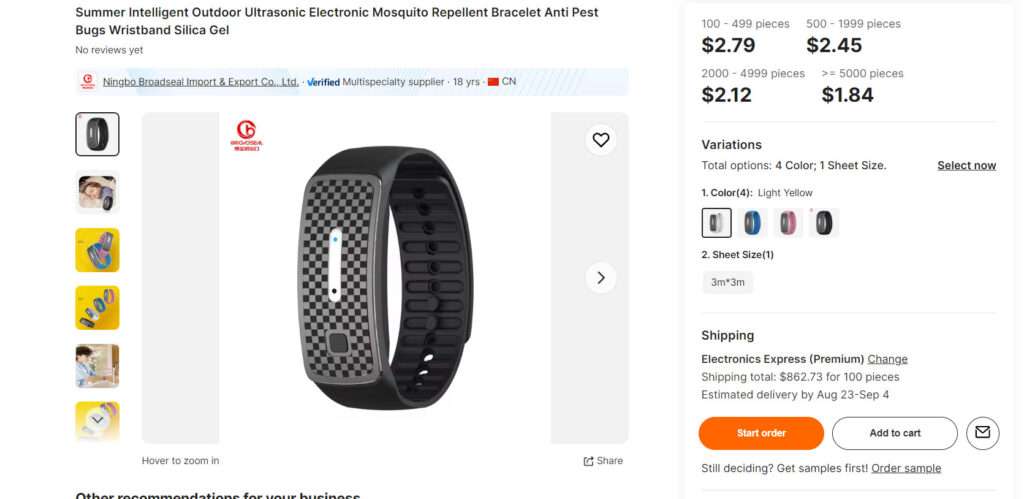
There is no fat reducing or detox technology embedded despite all the convincing promotional claims. Yet thanks to polished marketing and pushy sales tactics, the scammers behind Josfit have managed to build this $65 million industry on trickery.
How the Scam Works
The Josfit scam follows a calculated formula to hook unsuspecting customers. Here’s an inside look at how they pull it off:
1. Creating Fake Josfit Websites
The scammers set up dozens of websites promoting the Josfit bracelet using stock weight loss images and fictitious information. These sites feature supposed “customer reviews” of dramatic weight loss results. In reality, the before/after pics are stolen from unrelated sources.
2. Pushing Viral Facebook Ads
Attention-grabbing Facebook ads promoting the Josfit bracelet target users’ insecurities with weight loss transformation images. Those who click the ad are taken to the fake Josfit sales pages filled with more manipulated images and fake reviews.
3. Fabricating Celebrity Endorsements
Josfit ads feature fake endorsements from celebrities like Simon Cowell, Whoopi Goldberg, and Wendy Williams to make the bracelet seem credible. In truth, no celebrities have endorsed this scam product. The quotes are completely made up.
4. Using Scientific Buzzwords
The Josfit marketing materials use terms like “ultrasonic cavitation” and describe the technology in scientific detail. This medical jargon lends the bracelet an aura of credibility it does not deserve. There is no actual fat cell rupturing ultrasonic technology in the cheap bracelet.
5. Offering Discounts & Limited Time Offers
To create a false sense of urgency, Josfit ads claim “limited time offers” and flash countdown timers for discounts on multi-bracelet packages. This high-pressure tactic spurs impulsive purchasing of a useless, overpriced bracelet.
6. Raking In Sales From Deceived Victims
The scammers bank on victims overlooking the obvious red flags thanks to slick marketing. Each $65 sale translates to over $60 in profit considering the bracelets cost just pennies to produce. This generates massive profits on the backs of consumers seeking legitimate weight loss solutions.
What To Do If You Are A Victim
If you have fallen prey to the Josfit bracelet scam, here are some steps to take immediately:
- Stop Payment Immediately – If you just made the purchase, contact your credit card company or payment provider to halt the transaction if possible. The sooner you act, the better chance you have of stopping payment.
- Dispute the Charge – If you cannot stop the payment, call your bank or credit card provider to dispute the charge as fraudulent. Provide details about the misleading claims versus the actual worthless product received.
- Leave Online Reviews – Post negative reviews detailing the scam on the Josfit sales page and anywhere else you can find to warn others. This helps reduce the scammers’ ability to victimize more people.
- Report the Seller – File a scam report with the FTC and BBB to get the Josfit seller blacklisted. Also report them to Facebook if that is how you found the ads. Getting their platforms shut down limits their scam reach.
- Request a Refund – Email the Josfit seller requesting an immediate refund. Provide evidence such as photos of the cheap bracelet actually received. If they refuse, file a chargeback.
- Spread Awareness – The more people informed about the real truth behind Josfit, the fewer victims will fall for the ploy. Share your experience and this exposé to prevent others being swindled.
Frequently Asked Questions About the Josfit Ultrasonic Bracelet Scam
1. What exactly is the Josfit Ultrasonic Bracelet?
The Josfit Ultrasonic Bracelet is marketed online as a weight loss and detox tool. Using terms like “ultrasonic cavitation,” its promoters claim the bracelet uses sound waves to break down fat cells and help users lose weight. However, it is actually just a $2 mosquito repellent bracelet from China rebranded and resold for $65.
2. How does the Josfit bracelet scam work?
The scammers create convincing sales pages with fake before/after photos, reviews, and celebrity endorsements. High-pressure sales tactics like countdown timers encourage quick purchases. People receive a cheap mosquito repellent bracelet, not the fat-busting bracelet described.
3. What weight loss claims do they make about Josfit?
The promotional materials claim Josfit causes rapid fat loss through ultrasonic cavitation. But the bracelet contains no special technology. The reviews describing dramatic weight loss are completely fabricated. No real customer has lost weight from it.
4. Do celebrities really endorse the Josfit bracelet?
No. The endorsements from celebrities like Simon Cowell are fake. The quotes praising Josfit’s effects are invented. No celebrity has endorsed this scam product in any way.
5. Why is Josfit bracelet considered a scam?
It fits the definition of a scam because customers are deceived into purchasing a $65 bracelet that does not actually contain the weight loss technology advertised. The real product is a cheap $2 bracelet sold through lies.
6. What makes the Josfit website look credible?
The scammers use convincing stock photos of weight loss transformations along with fake sciencey language about “ultrasonic frequencies” to make the bracelet sound legitimate. But it’s just a common mosquito repellent bracelet.
7. What should you do if you purchased the Josfit bracelet?
Immediately contact your credit card company to dispute the charge as fraudulent and request a chargeback. Also report the seller to the BBB, FTC, and social media sites to get their deceptive listings shut down.
8. How can I spot a Josfit bracelet scam website?
Look for too-good-to-be-true claims, fake celebrity endorsements, suspicious reviews, countdown timers creating urgency, and lack of a real company address. These are red flags of a Josfit scam site.
9. Where can I learn more about the Josfit bracelet scam?
Check consumer protection sites like the FTC and Ripoff Report. Search online forums and social media to see other people exposing their Josfit scams. Knowledge helps avoid becoming a victim.
10. How can I avoid Josfit bracelet scams in the future?
Be wary of “miracle” weight loss products pushed online using fake reviews/celebrities, high-pressure tactics, and questionable science claims. Always thoroughly research a product and seller before purchasing.
The Bottom Line
The Josfit Ultrasonic Bracelet is a prime example of online marketing deception at its worst. Outlandish weight loss claims and fake celebrity endorsements promote a cheap $2 bracelet at a 3,000% markup. No fat blasting ultrasonic technology exists despite the convincing pseudo-scientific language.
Thousands continue falling victim to this bait-and-switch scam. If you purchased Josfit bracelets, take action immediately to halt payment and recover lost funds. Help take down these scammers for good by reporting them and spreading awareness of their tactics. With vigilance, we can prevent more innocent consumers from being duped by the Josfit scam’s false promises.








