

Imagine browsing the web and suddenly a screen pops up: “You’ve made the 5-billionth search!” It claims you’ve won a high-value prize and all you need to do is click a button to claim it. It feels exciting. But in reality, you’ve just stumbled upon one of the most persistent and deceptive online scams in recent years — the Google 5 Billionth Search Scam. Keep reading to understand exactly how this scam works, how to avoid it, and what to do if you’ve already been tricked.

Scam Overview
The Google 5 Billionth Search Scam is not just another internet hoax — it is a well-orchestrated fraud designed to exploit unsuspecting users. This scam tricks victims into thinking they’ve achieved a rare online milestone and, as a result, are eligible to win high-value prizes like smartphones, smart TVs, or gift cards. But the reality is far more sinister.
The scam typically appears as a pop-up or full-screen message when you’re using a web browser. It might appear suddenly while you’re browsing legitimate websites, especially those that run less-moderated ads. The message congratulates you on completing Google’s 5-billionth search and offers you a choice of three hidden prizes. It creates a sense of urgency, telling you that your opportunity will expire in just a few minutes if you don’t act quickly.
At first glance, the layout appears polished and professional. It may use Google’s logo, mimic Google’s font styles, and even show images of real people with so-called testimonials. You might see names like “Brad Jenkins” or “Therese Blasen” with fake stories about their winnings. This gives the illusion of legitimacy, which is key to getting victims to engage.
This scam exploits both emotional triggers and technical loopholes. It uses the excitement of winning, the fear of missing out (FOMO), and the apparent authority of Google’s branding to get users to click. Once engaged, victims are led down a rabbit hole of surveys, fake prize reveals, and ultimately, fraudulent subscription services.
The real damage begins when users are asked to enter their personal information — such as names, email addresses, physical addresses, and even credit card numbers. The scam doesn’t just stop at data harvesting. Victims often end up enrolled in hidden, recurring subscription services for things like PDF readers, movie streaming sites, or software trials that turn into paid plans.
Many users report unauthorized charges on their credit cards or find themselves subscribed to obscure services that are hard to cancel. What makes this scam particularly insidious is that it doesn’t always result in a single loss. Instead, victims might face monthly charges that slowly drain their finances until the fraud is noticed.
It’s important to understand that Google has never run, and is not currently running, any form of a 5-billionth search contest. Any message claiming otherwise is a scam designed purely to steal your personal and financial information.
How the Scam Works
Understanding how the Google 5 Billionth Search Scam unfolds is essential to avoid falling for it. Here is a step-by-step breakdown of how this scam typically operates:
Step 1: Initial Encounter
You’re browsing the internet when a pop-up or new tab suddenly appears. The page congratulates you on making Google’s 5-billionth search. The branding looks official, with the Google logo, familiar fonts, and polished web design. Confetti may be falling in the background, and there are three blue prize cups on the screen with labels encouraging you to choose.
Step 2: Fake Prize Selection
You’re asked to click one of three “prize cups” to reveal your reward. No matter which one you choose, the result is always a high-value item — like a Samsung smart TV, iPhone, or $500 Google Play card. The page then prompts you to “claim your prize” by entering personal information.
Step 3: Form Submission and Personal Data Entry
At this point, you’re led to a form where you are asked to provide your name, email address, phone number, and home address. Some pages even require you to answer a few questions or take a fake survey to continue. The entire setup is meant to appear legitimate and routine.
Step 4: Credit Card Information Request
Next comes the most dangerous part — you’re asked to provide your credit card details, allegedly for “shipping and handling fees” or “identity verification.” These fees are usually small, around $1 to $5, making them seem harmless. However, this is the point where the scam moves from annoying to financially dangerous.
Step 5: Unwanted Subscriptions Begin
By submitting your credit card information, you unknowingly agree to recurring charges. These are often hidden in the fine print or completely unmentioned. Victims find themselves subscribed to digital services like:
- Online PDF readers
- Movie streaming platforms
- Mobile security or VPN apps
- Horoscope or dating services
Charges may range from $9.99 to $49.99 per month, often billed through obscure company names. Most users only realize the problem after checking their bank statements days or weeks later.
Step 6: Data Harvesting
In addition to losing money, victims also expose their personal data. This data is often resold on dark web marketplaces or used for future phishing attempts. If you filled out a survey, the scammers now know not just your contact info, but also your shopping habits, interests, and browsing behavior.
Step 7: Victim Retention and Difficulty Cancelling
Trying to cancel the subscriptions is intentionally difficult. The scammers provide vague instructions, fake contact numbers, or customer service emails that don’t respond. Some victims are told they must complete additional verification steps, only to be trapped in further loops designed to frustrate them into giving up.
What to Do If You Have Fallen Victim to the Google 5 Billionth Search Scam
If you suspect you’ve been caught in this scam, it’s essential to act quickly. Here’s what you should do:
1. Cancel Any Subscriptions Immediately
Check your email and bank statements for confirmation emails or unexplained charges. Visit any sites you remember signing up for and cancel your account or subscription. Use official contact methods — avoid any numbers or links provided by the scam page.
2. Contact Your Bank or Credit Card Company
Report the unauthorized charges as soon as possible. Your bank can freeze your account, issue a new card, and initiate a dispute for fraudulent transactions. The quicker you act, the more likely you are to recover the lost funds.
3. Monitor Your Financial Statements
For the next several months, review your bank and credit card statements closely. Set up alerts for new charges so you can catch any suspicious activity in real time.
4. Report the Scam
Report the incident to:
- Federal Trade Commission (FTC) – https://reportfraud.ftc.gov/
- Google Safe Browsing – https://safebrowsing.google.com/safebrowsing/report_phish/
- Your local consumer protection agency
The more reports they receive, the easier it becomes to take these scams offline.
5. Run Security Scans on Your Device
Scam sites can sometimes drop malware or tracking cookies onto your device. Use a reputable antivirus or antimalware tool to perform a full scan. Delete any suspicious files or apps.
6. Change Your Passwords
If you provided your email or other login details, change those passwords immediately. Use strong, unique passwords and enable two-factor authentication wherever possible.
7. Inform Others
Warn friends and family, especially those less tech-savvy, about the scam. Sharing your experience might help someone else avoid falling into the same trap.
Is Your Device Infected? Run a Free Malware Scan
Slow performance, constant pop-ups, or strange behavior? These are classic signs of a malware infection. The fastest way to find out is to scan your device with Malwarebytes Free — one of the most trusted malware removal tools available.
The free version detects and removes the most common threats, including:
- Adware — the cause of those annoying pop-ups
- Browser hijackers — unwanted redirects and changed homepages
- Trojans and spyware — hidden programs stealing your data
- Potentially unwanted programs (PUPs) — software you never asked for
👉 Select your device below — Windows, Mac, or Android — then follow the simple steps to download Malwarebytes, scan your system, and remove any threats it finds. The scan usually takes 5 to 20 minutes.
Run a Malware Scan with Malwarebytes for Windows
Malwarebytes is one of the most popular and trusted anti-malware tools for Windows — and it’s completely free for removing infections. It catches threats that many antivirus programs miss, including adware, browser hijackers, and trojans. Follow the steps below to scan and clean your PC in just a few minutes.
Download Malwarebytes
Click the button below to download the latest version of Malwarebytes for Windows from the official source. The free version is all you need — it will scan your computer and remove adware, browser hijackers, and other malicious software at no cost.
Download MalwarebytesOfficial installer for Windows 11 and 10. Your download starts right away.Want real-time protection? See Malwarebytes Premium Malwarebytes Free for WindowsScans and removes malware at no cost
-
Install Malwarebytes
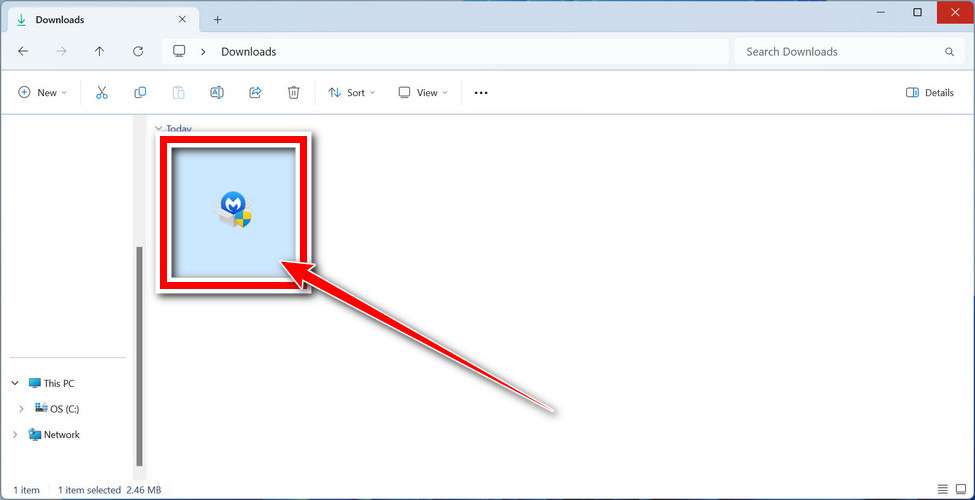
When the download finishes, open your Downloads folder and double-click the MBSetup file. If Windows shows a User Account Control pop-up, click “Yes” to allow the installation.
Follow the On-Screen Prompts to Install Malwarebytes
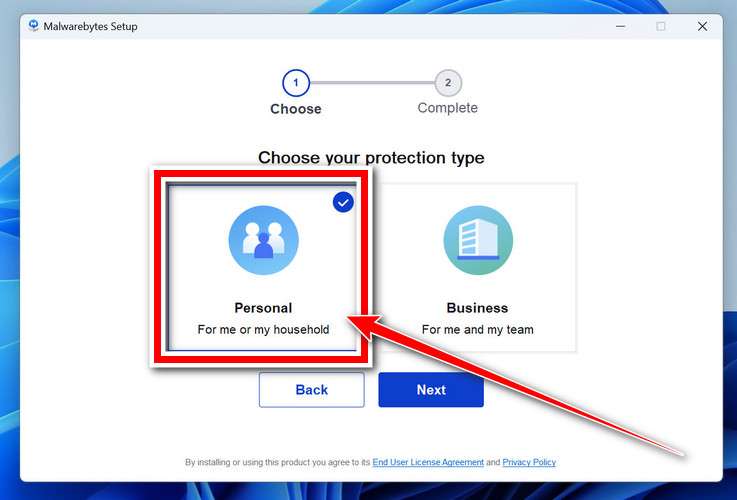
The setup wizard will walk you through a few quick screens:
-
Choose where you’re installing the program — “Personal Computer” or “Work Computer” — then click Next.
-
Malwarebytes will now install on your device. This usually takes under a minute.

-
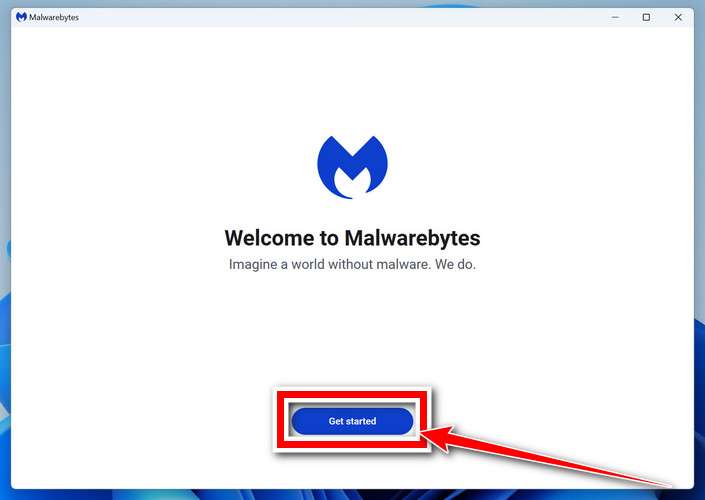
When installation is complete, the “Welcome to Malwarebytes” screen will open automatically.
-
On the final screen, click Open Malwarebytes to launch the program.

-
Enable “Scan for Rootkits”
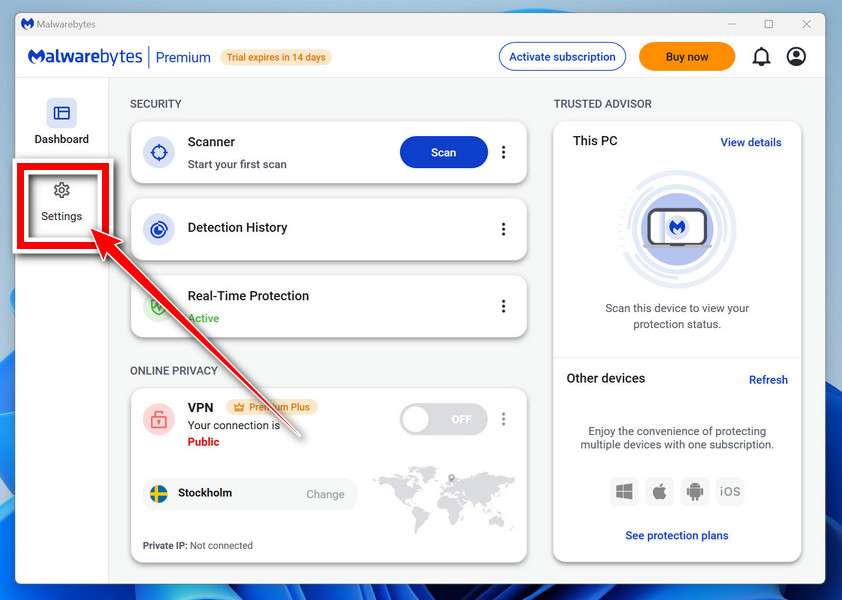
Before scanning, turn on rootkit detection so Malwarebytes can find even the most hidden threats. Click the Settings gear icon on the left side of the screen.
In the settings menu, find “Scan for rootkits” and click the toggle so it turns blue.

Done? Click “Dashboard” in the left pane to return to the main screen.
Start the Scan
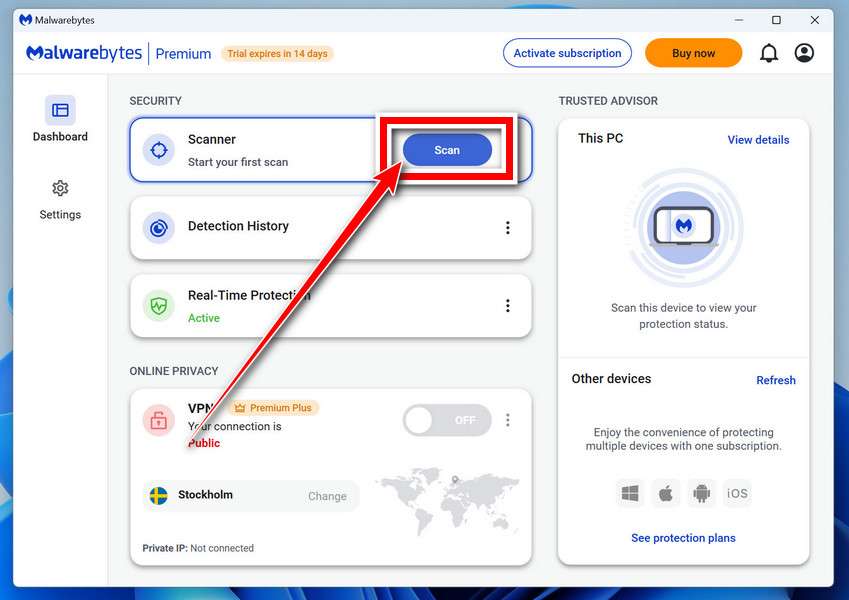
Click the blue Scan button. Malwarebytes will automatically update its virus database and start checking your computer for malware.
-
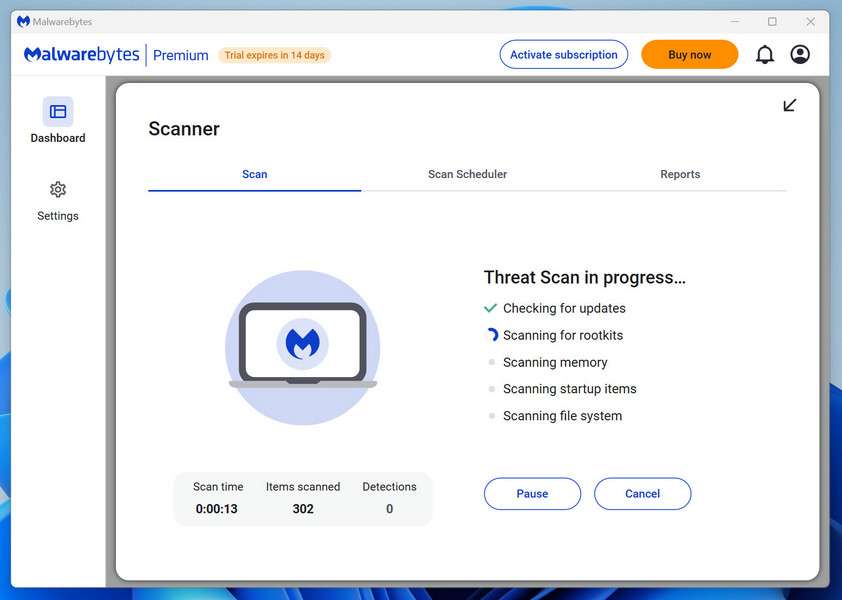
Wait for the Scan to Finish
The scan checks your entire system for browser hijackers and other malicious programs, so it can take 5 to 20 minutes depending on your computer. Feel free to do something else — just check back occasionally to see the progress.
-
Quarantine the Detected Threats
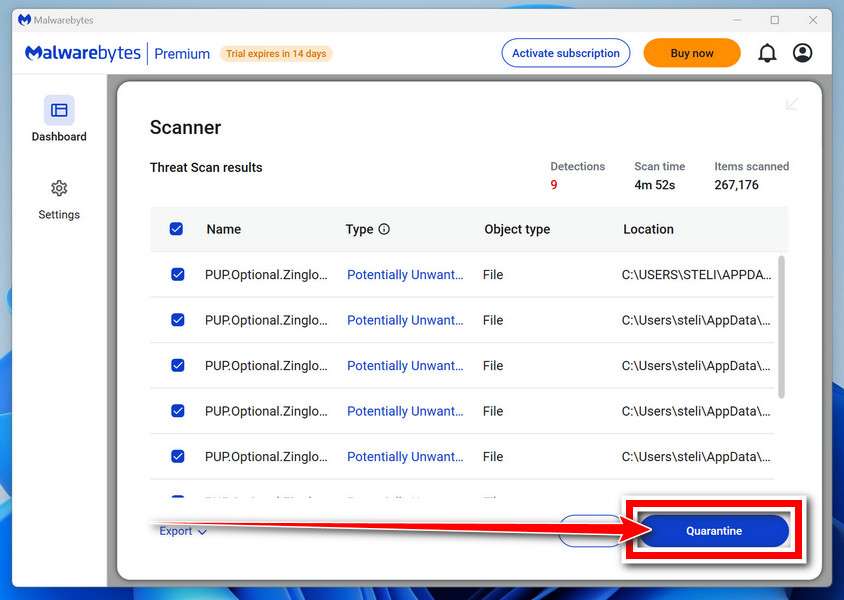
When the scan is done, you’ll see a list of everything Malwarebytes found — malware, adware, and potentially unwanted programs. Click the “Quarantine” button to remove all of them at once.
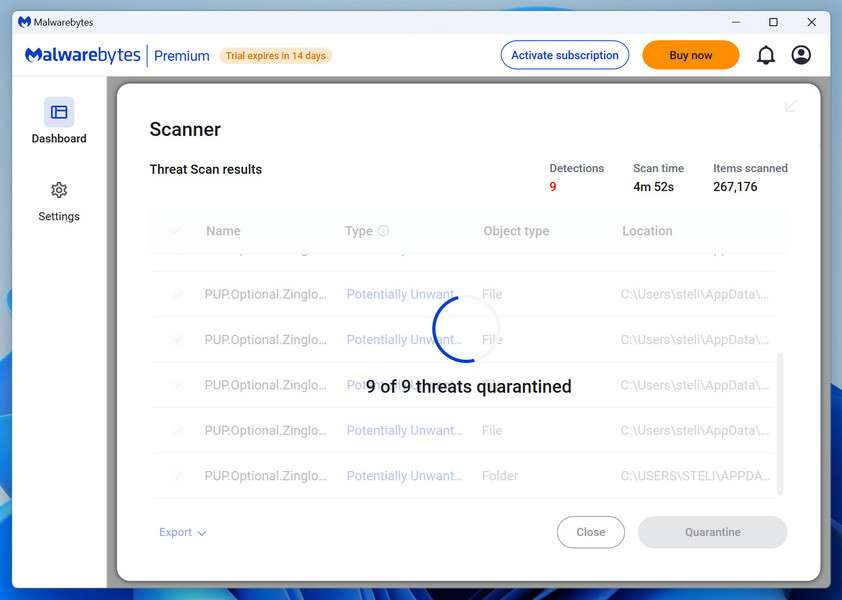
Malwarebytes will now remove the malicious files and registry entries and move them safely into quarantine.
-
Restart Your Computer
Some threats can only be fully removed after a reboot. If Malwarebytes asks you to restart, click Yes. Once you’re logged back in, Malwarebytes has finished removing the threats it found.
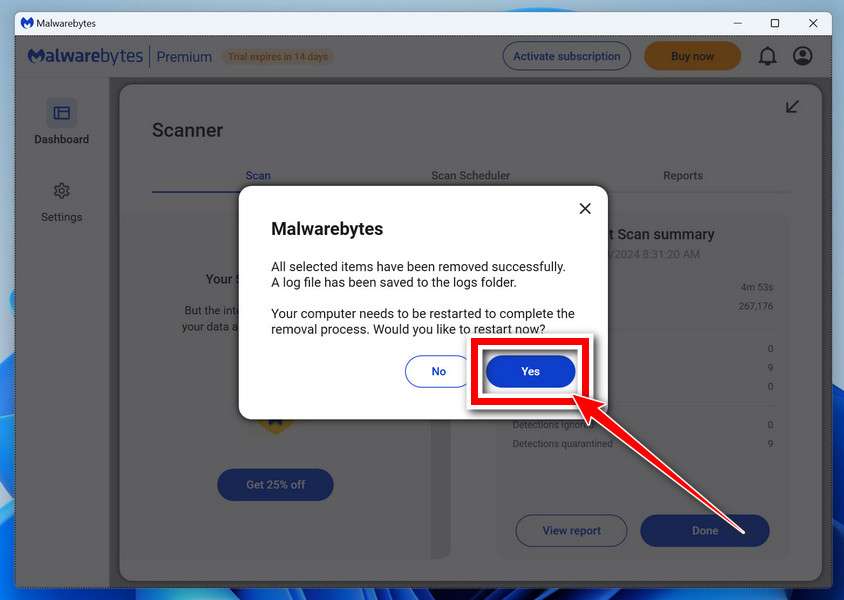
That’s it — your Windows PC is now clean of trojans, adware, and other malware, and should be back to running smoothly.
If you are still having problems with your computer after completing these instructions, then please follow one of the steps:
- Run a computer scan with ESET Online Scanner
- Ask for help in our Windows Malware Removal Help & Support forum.
Run a Malware Scan with Malwarebytes for Mac
Malwarebytes for Mac is a free on-demand scanner that removes the malware other security software tends to miss — adware, browser hijackers, and unwanted programs included. Cleaning an infected Mac with Malwarebytes has always been completely free, and it’s our go-to recommendation. Follow the steps below to scan and clean your Mac in just a few minutes.
-
Download Malwarebytes for Mac
Click the button below to download the latest version of Malwarebytes for Mac.
Download MalwarebytesOfficial installer for macOS. Your download starts right away.Want real-time protection? See Malwarebytes PremiumMalwarebytes Free for MacScans and removes malware at no cost -
Open the Malwarebytes setup file
When the download finishes, open your Downloads folder and double-click the setup file to begin the installation.
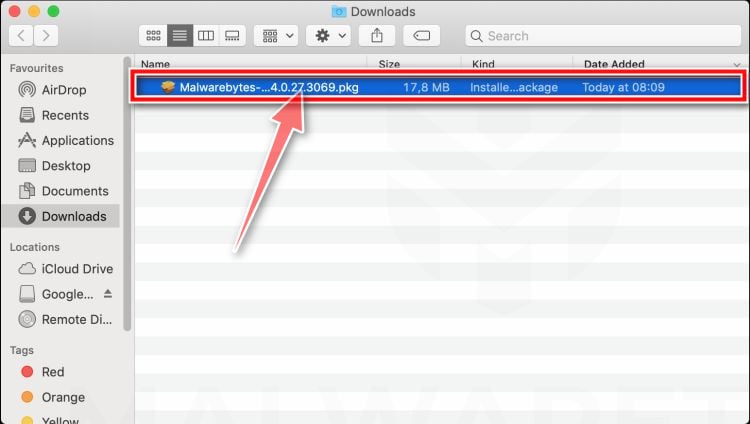
-
Follow the On-Screen Prompts to Install Malwarebytes
The Malwarebytes for Mac Installer will guide you through a few quick screens. Click “Continue” and keep following the prompts until the installation completes.
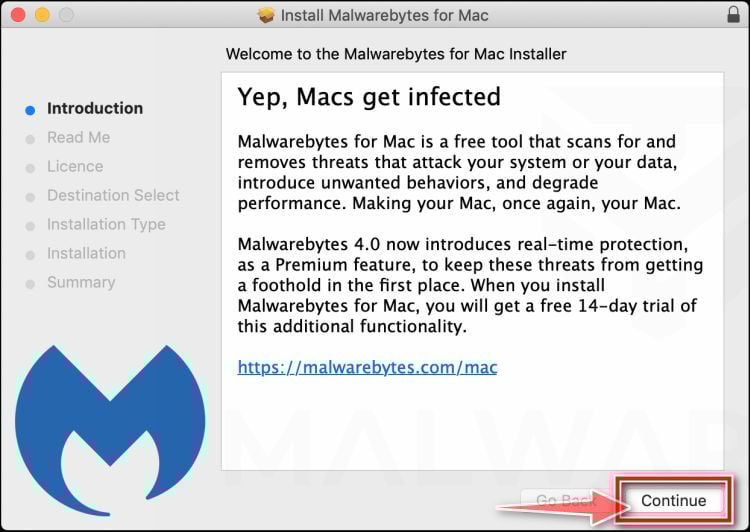
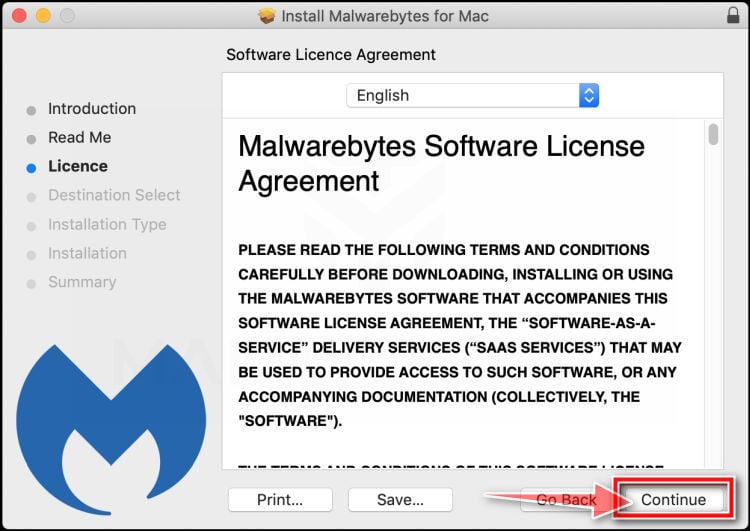
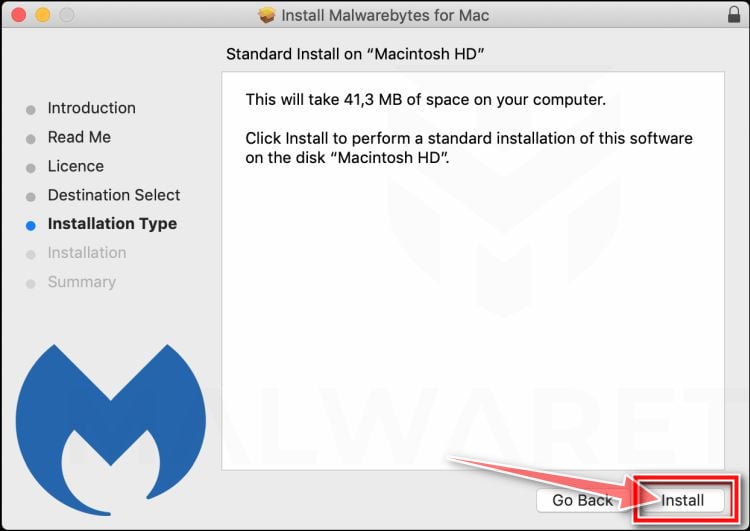
When the installation is complete, Malwarebytes opens to the Welcome to Malwarebytes screen. Click “Get started“.
-
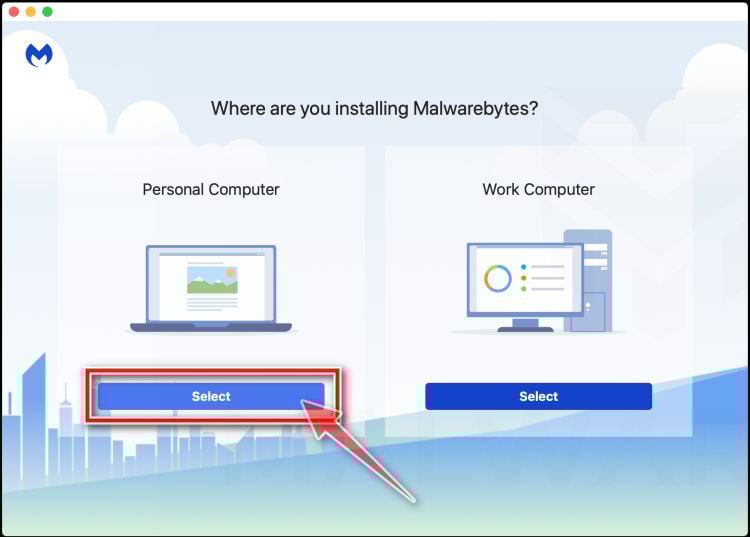
Select “Personal Computer” or “Work Computer”
Malwarebytes will ask what type of computer you’re installing it on. Click either Personal Computer or Work Computer, whichever applies.
-
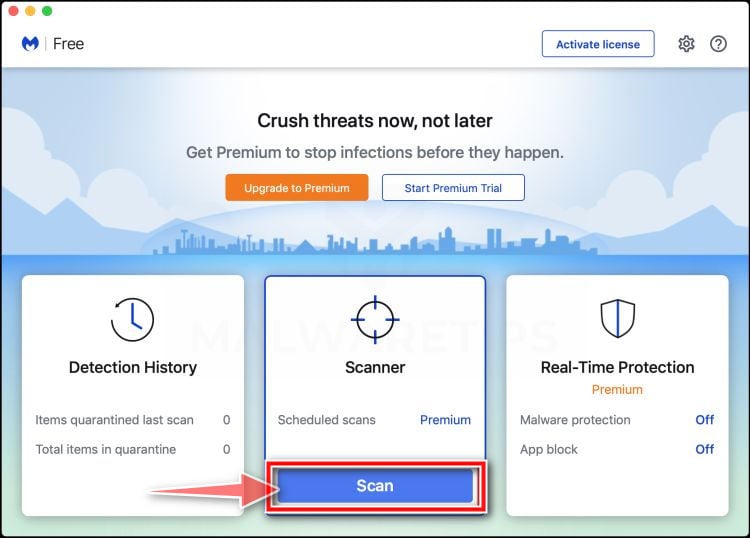
Start the Scan
Click the “Scan” button. Malwarebytes will automatically update its detection database and begin checking your Mac for malware.
-
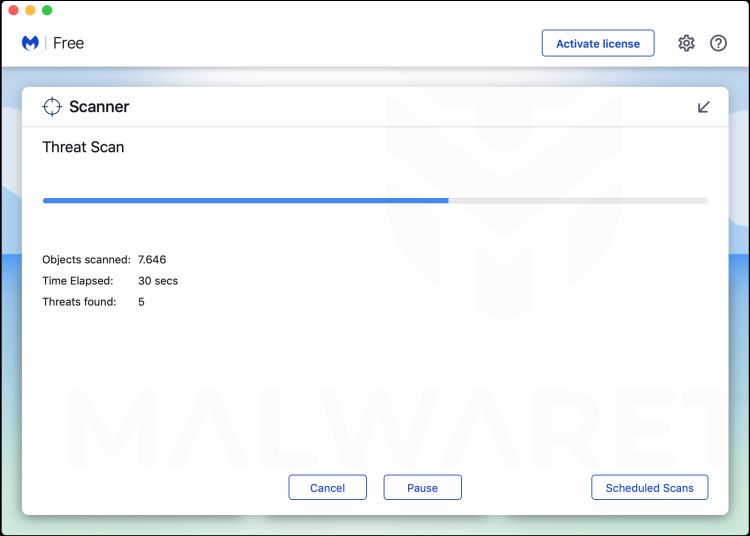
Wait for the Scan to Finish
Malwarebytes will scan your Mac for adware, browser hijackers, and other malicious programs. This can take a few minutes, so feel free to do something else — just check back occasionally to see the progress.
-
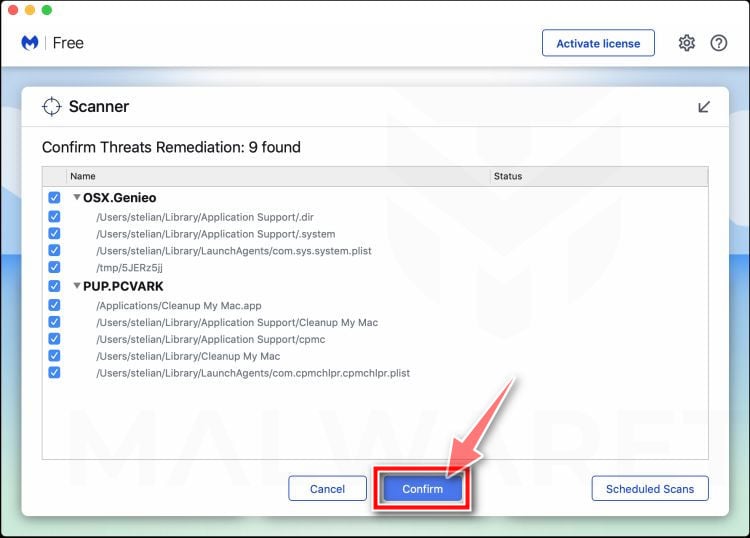
Quarantine the Detected Threats
When the scan is done, you’ll see a list of everything Malwarebytes found. Click the “Quarantine” button to remove all the threats at once.
-
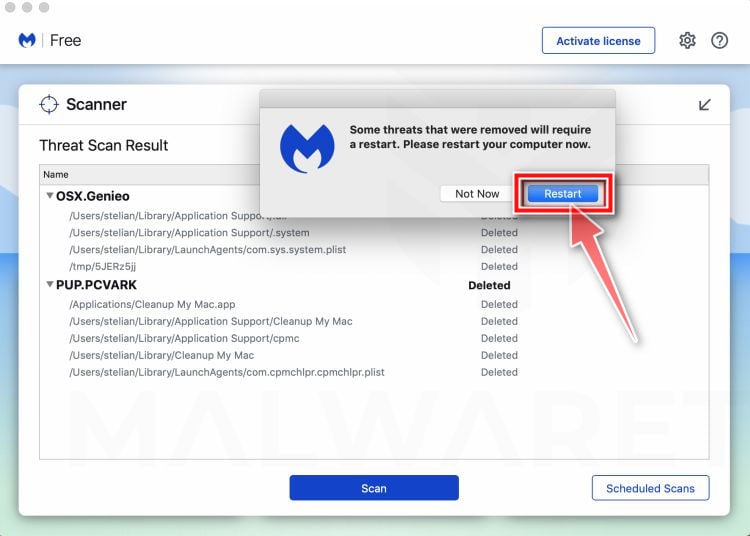
Restart Your Mac
Malwarebytes will now remove all the malicious files it found. Some threats can only be fully removed after a reboot — if Malwarebytes asks you to restart, allow it. Once you’re logged back in, your Mac is clean.
That’s it — your Mac is now free of adware, rogue browser extensions, and other potentially harmful software.
If you are still experiencing problems while trying to remove a malicious program from your computer, please ask for help in our Mac Malware Removal Help & Support forum.
Run a Malware Scan with Malwarebytes for Android
Malwarebytes for Android automatically detects and removes dangerous threats like malware and ransomware so you don’t have to worry about your most-used device being compromised. Aggressive detection of adware and potentially unwanted programs keeps your Android phone or tablet running smooth.
-
Download Malwarebytes for Android.
You can download Malwarebytes for Android by clicking the link below.
Get Malwarebytes for AndroidOpens Google Play in a new tab.Want real-time protection? See Malwarebytes Premium for AndroidMalwarebytes for AndroidScans your phone and removes malware at no cost -
Install Malwarebytes for Android on your phone.
In the Google Play Store, tap “Install” to install Malwarebytes for Android on your device.

When the installation process has finished, tap “Open” to begin using Malwarebytes for Android. You can also open Malwarebytes by tapping on its icon in your phone menu or home screen.

-
Follow the on-screen prompts to complete the setup process
When Malwarebytes will open, you will see the Malwarebytes Setup Wizard which will guide you through a series of permissions and other setup options.
This is the first of two screens that explain the difference between the Premium and Free versions. Swipe this screen to continue.
Tap on “Got it” to proceed to the next step.
Malwarebytes for Android will now ask for a set of permissions that are required to scan your device and protect it from malware. Tap on “Give permission” to continue.
Tap on “Allow” to permit Malwarebytes to access the files on your phone.
-
Update database and run a scan with Malwarebytes for Android
You will now be prompted to update the Malwarebytes database and run a full system scan.

Click on “Update database” to update the Malwarebytes for Android definitions to the latest version, then click on “Run full scan” to perform a system scan.

-
Wait for the Malwarebytes scan to complete.
Malwarebytes will now start scanning your phone for adware and other malicious apps. This process can take a few minutes, so we suggest you do something else and periodically check on the status of the scan to see when it is finished.

-
Click on “Remove Selected”.
When the scan has been completed, you will be presented with a screen showing the malware infections that Malwarebytes for Android has detected. To remove the malicious apps that Malwarebytes has found, tap on the “Remove Selected” button.

-
Restart your phone.
Malwarebytes for Android will now remove all the malicious apps that it has found. To complete the malware removal process, Malwarebytes may ask you to restart your device.
That’s it — your Android phone is now clean — no more malicious apps, adware, or browser redirects.
If you are still having problems with your phone after completing these instructions, then please follow one of the steps:
- Restore your phone to factory settings by going to Settings > General management > Reset > Factory data reset.
- Ask for help in our Mobile Malware Removal Help & Support forum.
Stay Protected: Block Ads and Malicious Sites
Now that your device is clean, keep it that way. Most infections start with a malicious ad or a fake download button — so blocking them at the source is your best defense.
We recommend AdGuard, which blocks malicious ads, phishing pages, and dangerous redirects before they can reach you.
👉 Download AdGuard and browse safely
Frequently Asked Questions (FAQ) About the Google 5 Billionth Search Scam
What is the Google 5 Billionth Search Scam?
The Google 5 Billionth Search Scam is a fraudulent online scheme that claims you’ve made the 5-billionth Google search and won a valuable prize, such as a smartphone, TV, or gift card. In reality, it’s a trap designed to steal your personal and financial information and often enrolls you in recurring paid subscriptions without your knowledge.
Is the Google 5 Billionth Search message real?
No, it is not real. Google does not conduct contests or giveaways based on search milestones like a “5-billionth search.” Any message claiming you’ve won something from Google due to a search count is a scam and should be closed immediately.
How do I recognize the Google 5 Billionth Search Scam?
You can recognize the scam through several red flags:
- A sudden pop-up or new tab congratulating you for being a “winner.”
- Use of Google branding that appears slightly off or outdated.
- A countdown timer urging you to act quickly.
- Requests for personal or payment information to “claim” your prize.
- Promises of prizes that seem too good to be true.
What happens if I click on the scam link or buttons?
Clicking on any links or buttons may lead you to:
- Fill out fake surveys.
- Enter sensitive information such as name, address, and credit card details.
- Subscribe to hidden monthly services like PDF readers or video streaming sites.
- Install malware or tracking cookies onto your device.
Why do scammers use the Google name and logo?
Scammers use the Google name and logo to make the scam look legitimate and trustworthy. By mimicking a well-known brand, they exploit your confidence and increase the likelihood that you’ll provide personal or financial information.
Can the Google 5 Billionth Search Scam charge me money?
Yes. After you enter your credit card details — usually under the pretense of a small “handling fee” — scammers often enroll you in unauthorized subscription services. These can cost anywhere from $9.99 to $49.99 per month and may appear on your credit card bill under misleading business names.
What kind of subscriptions are involved in this scam?
Common subscriptions linked to this scam include:
- Online PDF software tools
- Video or movie streaming platforms
- Mobile security or VPN services
- Horoscope or dating sites
- Software trials that convert into paid plans
These services are typically difficult to cancel and rarely offer any real value.
Is my device infected if I saw the scam page?
Possibly. While not all scam pages install malware, some may place tracking cookies or redirect you to malicious websites. If you interacted with the page or downloaded anything, you should scan your device using reputable antivirus or antimalware software.
What should I do if I entered my credit card details?
If you’ve entered your card information:
- Contact your bank or card issuer immediately.
- Request a new card number.
- Monitor your bank statements for unauthorized charges.
- Dispute any fraudulent transactions.
- Run a security scan on your device.
Acting quickly increases the chances of minimizing financial damage.
Can I recover the money I lost to this scam?
In many cases, yes. If you report the unauthorized charges promptly to your bank or credit card provider, they may reverse the charges and issue you a new card. Be sure to provide detailed information about the scam and retain any confirmation emails you received.
How do I report the Google 5 Billionth Search Scam?
You can report this scam to several authorities:
- Federal Trade Commission (FTC): https://reportfraud.ftc.gov
- Google Safe Browsing: https://safebrowsing.google.com/safebrowsing/report_phish
- Better Business Bureau (BBB): https://www.bbb.org/scamtracker
- Your country’s consumer protection agency
Reporting helps stop the scammers and protects others from falling victim.
How can I prevent future scams like this one?
To protect yourself from similar scams:
- Avoid clicking on suspicious pop-ups or ads.
- Use an ad blocker to limit exposure to scammy websites.
- Never provide payment information for a prize you didn’t actively enter to win.
- Keep your browser and antivirus software updated.
- Educate yourself and others about online fraud tactics.
Does Google ever give away prizes like this?
No. Google does not offer giveaways tied to search activity or milestones like a “5-billionth search.” Any such message using Google’s name to claim otherwise is 100% fake.
Can I block these scam pop-ups?
Yes. Here’s how to reduce or block scam pop-ups:
- Use a browser with built-in pop-up blockers.
- Enable strict ad blocking extensions such as uBlock Origin or AdGuard.
- Avoid websites known for aggressive ads and low-quality content.
- Reset your browser settings if you notice frequent scam redirects.
The Bottom Line
The Google 5 Billionth Search Scam is a sophisticated ploy that tricks people into handing over personal and financial information under the guise of winning a prize. It preys on excitement, urgency, and trust in Google’s brand. But by understanding how it works and knowing what steps to take if you’ve been affected, you can protect yourself and others.
Stay cautious when pop-ups seem too good to be true — because they usually are. And remember, Google isn’t handing out prizes for searches. If something feels off, trust your instincts and don’t click.








