

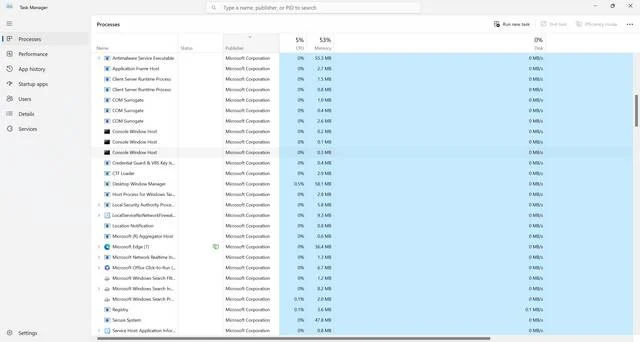
When you open the Task Manager on your Windows computer, you may notice multiple instances of Google Chrome running in the background. This can be quite puzzling, especially if you only have one Chrome window open. So, why is Google Chrome running multiple processes in the Task Manager? In this article, we will explore the reasons behind this behavior and shed light on the technical aspects of Chrome’s process management.
Understanding Chrome’s Multi-Process Architecture
Google Chrome is designed with a unique multi-process architecture that sets it apart from other web browsers. Instead of running as a single process, Chrome divides its tasks into multiple processes, each responsible for a specific function. This architecture provides several benefits, including improved stability, security, and performance.
When you launch Google Chrome, it creates a main process called the “Browser” process. This process handles tasks such as managing the user interface, handling user input, and coordinating other processes. Additionally, Chrome creates separate processes for each tab, extension, and plugin you have open. These processes are known as “Renderer” processes.
The multi-process architecture of Chrome allows for better isolation between tabs and extensions. If one tab or extension crashes, it does not affect the entire browser. Each process runs in its own sandbox, preventing malicious code from spreading to other parts of the browser or your computer.
Reasons for Multiple Chrome Processes
Now that we understand Chrome’s multi-process architecture, let’s explore the reasons behind the presence of multiple Chrome processes in the Task Manager:
1. Tab Isolation
Each tab in Google Chrome runs in its own process. This isolation ensures that if one tab crashes or encounters a problem, it does not affect the other tabs or the main browser process. This feature enhances the overall stability of Chrome and prevents a single problematic tab from causing the entire browser to crash.
2. Extension and Plugin Processes
Extensions and plugins in Chrome also run in separate processes. This separation provides additional security and stability. If an extension or plugin misbehaves or becomes unresponsive, it can be terminated without affecting the rest of the browser.
3. Task Manager Accuracy
Having multiple processes in the Task Manager allows for more accurate monitoring and management of Chrome’s resource usage. Each process represents a specific task or component, making it easier to identify and address any performance issues. If a particular tab or extension is consuming excessive resources, you can easily identify and close the corresponding process.
Managing Chrome Processes
While Chrome’s multi-process architecture offers numerous benefits, it can sometimes lead to high memory or CPU usage. If you notice that Chrome is consuming excessive resources, here are a few steps you can take to manage its processes:
- Close Unnecessary Tabs and Extensions: Having too many tabs or extensions open can strain your computer’s resources. Close any tabs or extensions that you are not actively using.
- Update Chrome and Extensions: Outdated versions of Chrome or extensions can sometimes cause performance issues. Ensure that both Chrome and your extensions are up to date.
- Clear Browsing Data: Accumulated browsing data, such as cookies and cache, can slow down Chrome. Regularly clear your browsing data to improve performance.
- Scan for Viruses and Malware: Viruses or malware can cause abnormal behavior in Chrome. It is recommended to scan your computer with a reliable antivirus software, such as Malwarebytes Free, to ensure your system is clean.
Summary
Google Chrome’s multi-process architecture is the reason behind the presence of multiple Chrome processes in the Task Manager. Each process is responsible for a specific task, such as managing tabs, extensions, or plugins. This architecture enhances stability, security, and performance. While multiple processes may initially seem concerning, they are a fundamental part of Chrome’s design.
To manage Chrome’s processes effectively, it is important to close unnecessary tabs and extensions, keep Chrome and extensions up to date, clear browsing data regularly, and scan for viruses and malware. By following these steps, you can optimize Chrome’s performance and ensure a smooth browsing experience.

Join the discussion
0 commentsShare your experience or ask a question about this article.
Discussion
Start the conversation
Have a question or something useful to share? Add the first comment.