

Googlecrashhandler64.exe is a process that runs in the background of your computer when you have Google Chrome installed. It is responsible for collecting information about crashes and errors that occur while using the browser and sending that data back to Google for analysis. While this process is generally harmless, some users may wonder if it is necessary and if it can be removed. In this article, we will explore what Googlecrashhandler64.exe is, its purpose, and whether or not it should be removed.
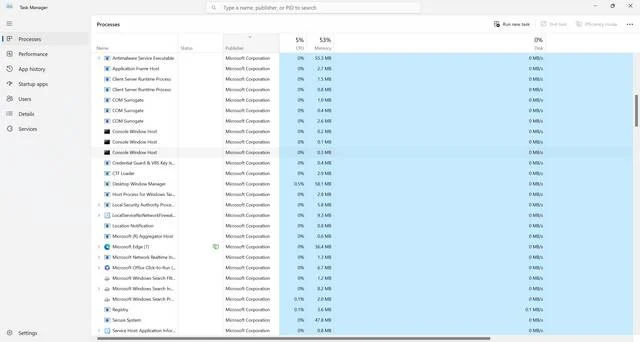
What Is Googlecrashhandler64.exe?
Googlecrashhandler64.exe is a process that runs in the background of your computer when you have Google Chrome installed. It is part of the Google Chrome browser and is responsible for collecting information about crashes and errors that occur while using the browser. This information is then sent back to Google for analysis so that they can identify and fix any issues that may be causing problems for users.
The process is designed to be unobtrusive and should not affect the performance of your computer. It runs in the background and only activates when there is a crash or error to report. Once the information has been sent to Google, the process will shut down until it is needed again.
Is Googlecrashhandler64.exe Necessary?
Googlecrashhandler64.exe is not necessary for the basic functioning of your computer or the Google Chrome browser. However, it is an important tool for Google to identify and fix issues with the browser. By collecting data about crashes and errors, Google can quickly identify and fix any problems that may be affecting users.
If you are experiencing frequent crashes or errors while using Google Chrome, it is important to keep Googlecrashhandler64.exe enabled. This will ensure that any issues are reported back to Google so that they can be addressed. Disabling the process may make it more difficult for Google to identify and fix any problems that may be affecting your browsing experience.
Should I Remove Googlecrashhandler64.exe?
In general, it is not recommended to remove Googlecrashhandler64.exe from your computer. The process is designed to be unobtrusive and should not affect the performance of your computer. Additionally, removing the process may make it more difficult for Google to identify and fix any issues that may be affecting your browsing experience.
However, if you are experiencing performance issues or other problems with your computer, it is possible that Googlecrashhandler64.exe may be contributing to the issue. In this case, it may be worth disabling the process to see if it improves the performance of your computer.
If you do decide to disable Googlecrashhandler64.exe, it is important to note that you may not receive updates or fixes for any issues that may be affecting your browsing experience. Additionally, disabling the process may make it more difficult for Google to identify and fix any problems that may be affecting other users.
How to Disable Googlecrashhandler64.exe
If you have decided to disable Googlecrashhandler64.exe, you can do so by following these steps:
- Open Google Chrome.
- Click on the three dots in the top right corner of the browser window.
- Select “Settings” from the dropdown menu.
- Scroll down to the bottom of the page and click on “Advanced.”
- Scroll down to the “System” section and toggle off the “Automatically send usage statistics and crash reports to Google” option.
Once you have disabled this option, Googlecrashhandler64.exe will no longer collect and send crash reports to Google.
Conclusion
Googlecrashhandler64.exe is a process that runs in the background of your computer when you have Google Chrome installed. It is responsible for collecting information about crashes and errors that occur while using the browser and sending that data back to Google for analysis. While it is not necessary for the basic functioning of your computer or the Google Chrome browser, it is an important tool for Google to identify and fix issues with the browser.
If you are experiencing frequent crashes or errors while using Google Chrome, it is important to keep Googlecrashhandler64.exe enabled. Disabling the process may make it more difficult for Google to identify and fix any problems that may be affecting your browsing experience. However, if you are experiencing performance issues or other problems with your computer, it may be worth disabling the process to see if it improves the performance of your computer.
Remember, if you do decide to disable Googlecrashhandler64.exe, you may not receive updates or fixes for any issues that may be affecting your browsing experience. Additionally, disabling the process may make it more difficult for Google to identify and fix any problems that may be affecting other users. If you are unsure about whether or not to disable the process, it is always a good idea to seek advice from a professional or to run a scan with Malwarebytes Free to ensure that your computer is free from viruses or malware.

Join the discussion
0 commentsShare your experience or ask a question about this article.
Discussion
Start the conversation
Have a question or something useful to share? Add the first comment.