

Gta5.exe is a file associated with the popular video game Grand Theft Auto V. It is an executable file that launches the game when clicked. However, due to its nature as an executable file, some users may be concerned about its potential to be harmful or malicious. In this article, we will explore what Gta5.exe is, its purpose, and whether or not it should be removed from your system.
What is Gta5.exe?
Gta5.exe is the main executable file for Grand Theft Auto V, a popular open-world action-adventure video game developed by Rockstar North. It is responsible for launching the game and handling various game-related processes. The file is typically located in the installation directory of the game, which is usually “C:/Program Files/Rockstar Games/Grand Theft Auto V”.
As an executable file, Gta5.exe contains machine code that is executed by the computer’s processor. It is an essential component of the game and is required for it to run properly. Without Gta5.exe, you would not be able to play Grand Theft Auto V.
Is Gta5.exe Safe?
Many users may be concerned about the safety of Gta5.exe, especially considering the potential risks associated with executable files. While it is always important to exercise caution when dealing with executable files, Gta5.exe itself is not inherently malicious or harmful.
However, it is worth noting that malware authors sometimes disguise their malicious files with names similar to legitimate files, including Gta5.exe. This is done to trick users into running the malicious file, which can lead to various security issues. Therefore, it is crucial to ensure that the Gta5.exe file on your system is legitimate and not a disguised malware.
If you are unsure about the legitimacy of the Gta5.exe file on your system, it is recommended to scan it using reliable antivirus or anti-malware software. One such software is Malwarebytes Free, which is known for its effectiveness in detecting and removing malware.
How to Verify the Legitimacy of Gta5.exe?
To verify the legitimacy of the Gta5.exe file on your system, you can follow these steps:
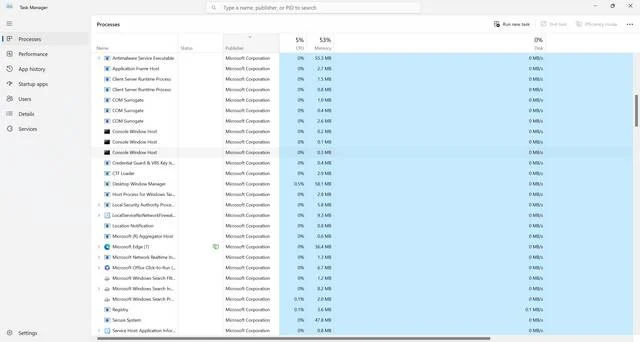
- Open the Windows Task Manager by pressing Ctrl + Shift + Esc or by right-clicking on the taskbar and selecting “Task Manager”.
- Go to the “Processes” or “Details” tab, depending on your version of Windows.
- Locate the Gta5.exe process in the list. The description should mention “Grand Theft Auto V” or “Rockstar Games”.
- Right-click on the Gta5.exe process and select “Open File Location”. This will open the folder where the Gta5.exe file is located.
- Verify that the file is located in the legitimate game installation directory, which is usually “C:/Program Files/Rockstar Games/Grand Theft Auto V”.
If the Gta5.exe file is located in a different directory or if the description does not mention “Grand Theft Auto V” or “Rockstar Games”, it is possible that the file is malicious and should be removed from your system.
Should I Remove Gta5.exe?
If you have verified that the Gta5.exe file on your system is legitimate and located in the correct game installation directory, there is no need to remove it. Removing the file would prevent you from playing Grand Theft Auto V.
However, if you suspect that the Gta5.exe file on your system is malicious or if you encounter any unusual behavior or performance issues while running the game, it is recommended to scan your system using reliable antivirus or anti-malware software, such as Malwarebytes Free.
Scanning your system will help detect and remove any potential malware or malicious files that may be causing the issues. It is always better to err on the side of caution when it comes to computer security.
Conclusion
Gta5.exe is the main executable file for Grand Theft Auto V and is essential for running the game. While it is not inherently malicious or harmful, it is important to verify the legitimacy of the file on your system to ensure that it is not a disguised malware. If you suspect any issues or have concerns about the file, it is recommended to scan your system using reliable antivirus or anti-malware software, such as Malwarebytes Free. By taking these precautions, you can enjoy playing Grand Theft Auto V without compromising the security of your system.

Join the discussion
0 commentsShare your experience or ask a question about this article.
Discussion
Start the conversation
Have a question or something useful to share? Add the first comment.