

Misleading ads promoting Hot Amigo heaters have flooded social media, luring in consumers with dubious claims and fake reviews. But the reality is these viral Hot Amigo ads are a scam designed to overcharge for cheap, ineffective products. This guide will uncover how the Hot Amigo heater scam works and provide tips to avoid getting ripped off.
An Overview of the Hot Amigo Scam
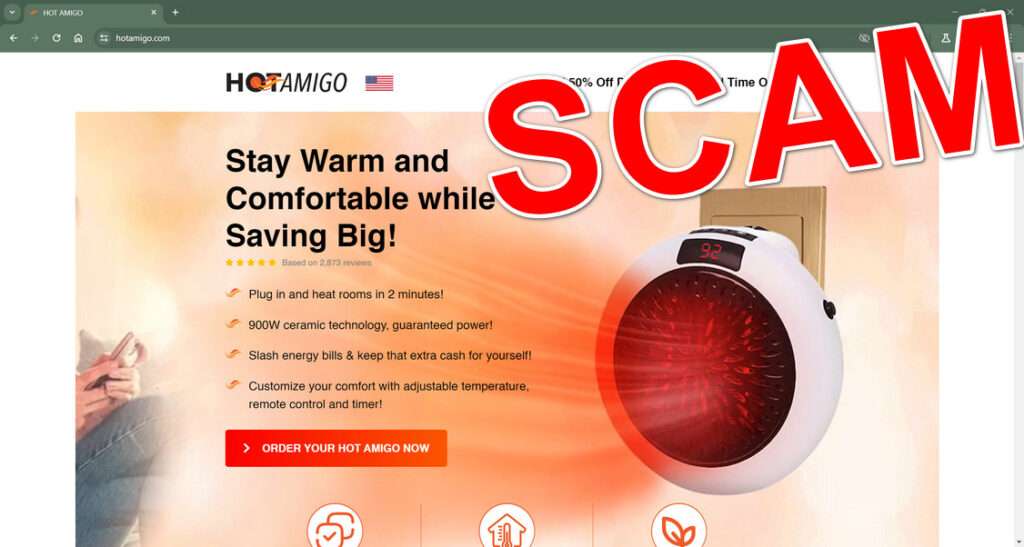
The Hot Amigo scam operates through fake social media advertisements and deceptive websites promoting Hot Amigo as an incredible space heater with exaggerated claims, including:
- Heating rooms in just 2 minutes
- Using advanced 900W ceramic technology
- Slashing energy bills and heating costs
- Fully adjustable temperature and scheduling
- Providing rapid, energy-efficient heating
However, real customer experiences reveal these benefits are greatly embellished or outright false. The actual Hot Amigo heaters shipped out are cheap, low quality products that fail to perform nearly as well as depicted in the ads.
Digging deeper into the Hot Amigo heater scam reveals these viral gadgets can be purchased wholesale from Chinese suppliers on sites like Alibaba for only $2 USD per unit.
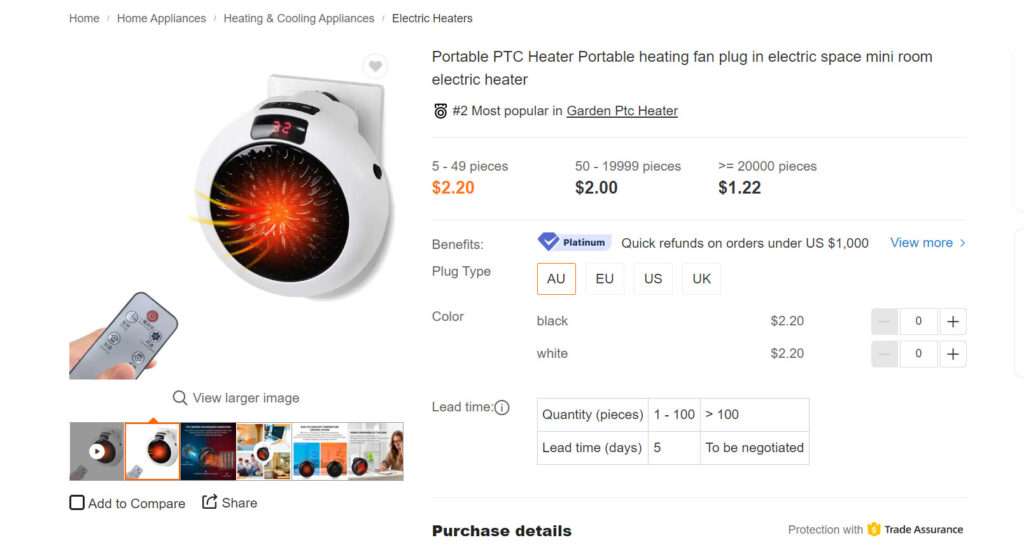
However, the scammers behind the fake social media ads are marking up the price drastically to $49, $69 or even over $90 per heater. This allows them to make massive profits, especially given the low manufacturing costs.
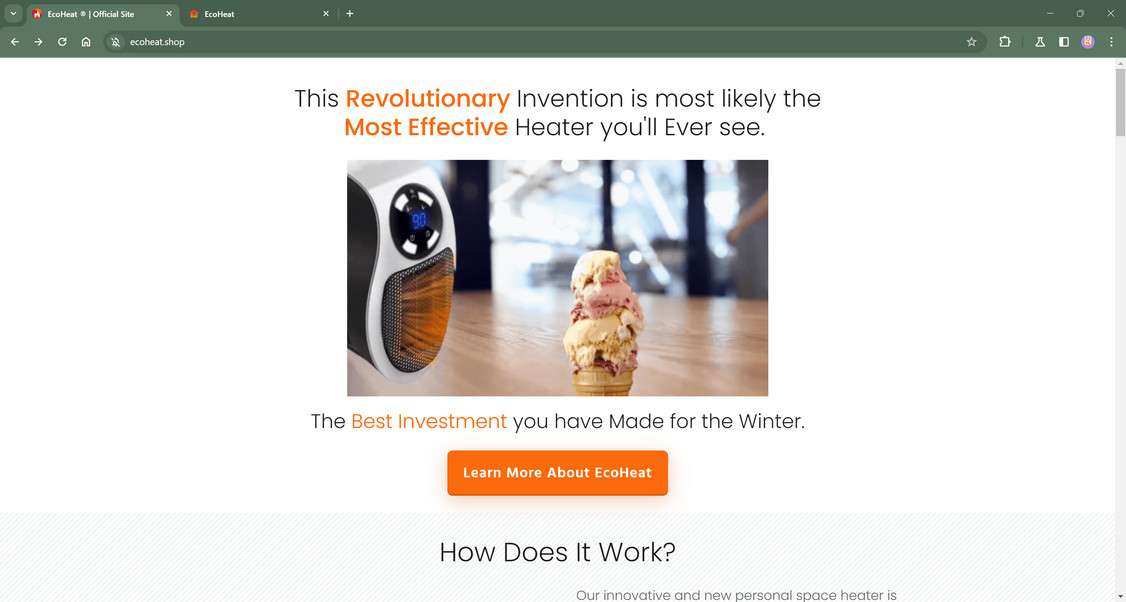
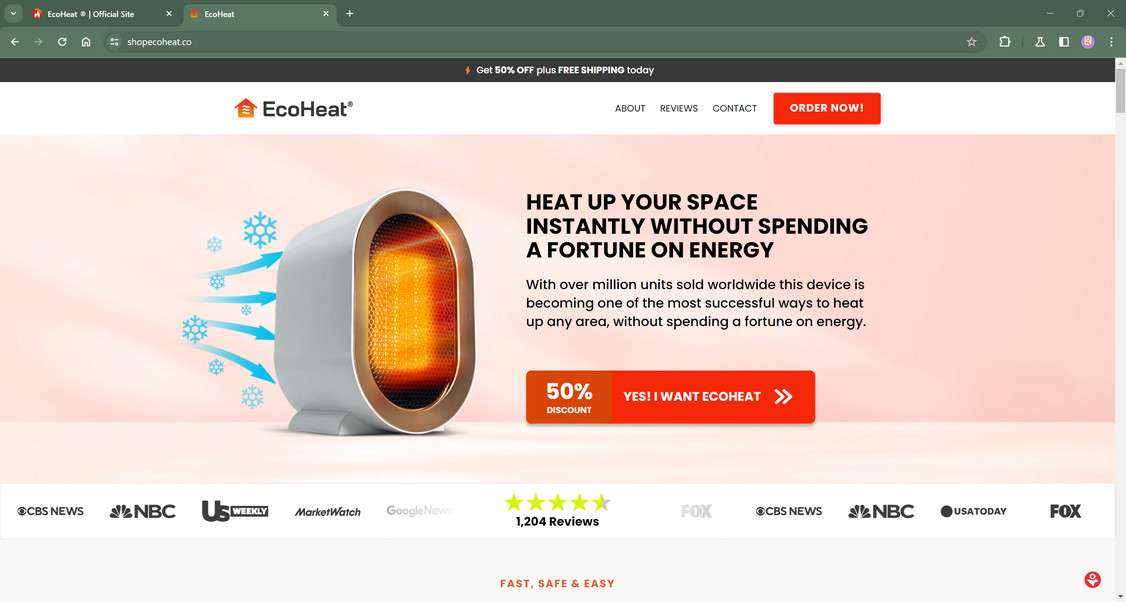
The same mass-produced personal heaters are also resold under other brand names like EcoHeat and HeatCore in similar deceptive schemes. The scam websites even reuse much of the same templates, text, fake reviews and pricing models across the brands.
So while the misleading ads make it appear you are buying an advanced heating system with unique patented technology, in reality it is the same cheaply made $2 heater available to anyone wholesale.
This helps explain why so many customers are disappointed when their “revolutionary” heater arrives and fails to heat rooms as advertised. It’s a generic device being sold at insane markups through slick marketing alone.
The Hot Amigo scam banks on using compelling language, fake reviews and urgency to get credit card orders placed before prospective buyers fully research the questionable sellers behind these ads. Refunds are often refused after purchase, and complaints go unanswered. Read on for a detailed exposé on how this predatory scam unravels.
How the Hot Amigo Heater Scam Works
The Hot Amigo scam follows a calculated playbook to deceive and overcharge consumers. Here’s an in-depth look at the process.
Phase 1: Crafting Misleading Social Media Ads
The scam starts with carefully designed social media ads hyping up Hot Amigo heaters. Common platforms used include Facebook, Instagram, YouTube and TikTok.
These ads tout incredible benefits of Hot Amigo while using fake reviews, fake certification badges and urgency tactics to get clicks through to their sales funnels quickly.
Some examples of the misleading claims and techniques used in the ads include:
- “Rapid heating” and “heats rooms in 2 minutes!” However, real reviews state the heaters provide slow, modest warming.
- “900W ceramic technology” makes it seem like advanced heating systems are used when the real units appear to be basic personal heaters.
- “Slash energy bills and save money” greatly exaggerates any potential savings from buying these cheap heaters.
- Fake review snippets like “A must have, this heats up immediately!” when real customers report underperformance.
- “50% off limited time deal!” and other countdown timers or claimed limited supply to create fake urgency to purchase now.
- Images of people happily bundled up and warm next to the heaters. The real products don’t radiate heat nearly as far as depicted.
In summary, through misleading language, fake reviews and other tactics, the ads present an extremely inflated depiction of Hot Amigo’s performance and value. But it’s carefully designed to generate a flood of click-throughs to their sales funnels.
Phase 2: Deceptive Sales Pages Confuse and Upsell
After clicking one of the misleading social media ads, consumers are funneled to shady sales pages with more exaggerated claims and fake reviews.
These sales pages utilize additional tricks to confuse buyers and push them into purchasing overpriced “packages” of multiple Hot Amigo heaters.
Some of the deceptive tactics include:
- Fake limited time discounts like “50% off today only!” to panic buyers into immediate purchases.
- Fake scarcity claims of “only 37 units left!” to also create false urgency.
- Aggressive upselling with options to buy 2, 3 or even 5 heaters at once for a supposed discount.
- Burying negative reviews and limiting questions to push sales.
- Repeating the same dubious claims about fast heating, energy savings and more.
- No company information, address or contact details provided to avoid accountability.
The combative sales pages aim to limit research into the true source of the heaters while pushing impulse bundle purchases.
Phase 3: Refusing Refunds and Ignoring Complaints
Unfortunately, many consumers realize too late they’ve been scammed. When customers try to return defective Hot Amigo heaters that don’t perform as advertised, common responses include:
- Ignoring emails or sending back automated responses only.
- Customer service phone numbers that hang up, disconnect or forward to unrelated companies.
- Refusing returns and claiming “you missed the 30 day refund window.”
- Rejected credit card chargebacks using fake shipping information and details.
- Being forced into unwanted “exchange only” returns for the same dubious heaters.
- Zero way to contact the company or people behind the scam.
In summary, these scammers follow a pattern of refusing refunds even when the product clearly does not work as promoted. They also obstruct negative reviews and complaints to keep the scam going.
This lack of accountability and transparency is a hallmark of shady, fly-by-night operations out to make a quick buck through fraud. Legitimate businesses do not engage in such deceptive activities.
What To Do If You Purchased a Hot Amigo Heater
If you unfortunately already ordered one of these heavily marketed but underperforming heaters, follow these steps:
1. Contact your credit card issuer immediately: Report the charges as fraudulent and request a chargeback refund. Provide details on how the heater was a scam with exaggerated marketing.
2. Gather evidence: Take photos and videos detailing how the real Hot Amigo heater fails to perform as depicted in the ads. Document any failed refund attempts as well.
3. File complaints: Submit scam reports to the FTC, state attorney general, RipOff Report, and other consumer protection sites.
4. Leave online reviews: Warn others about the scam on Trustpilot and other review sites. Social media posts also help spread awareness.
5. Escalate with your bank: If chargebacks fail, request arbitration from your credit card bank to recover the funds. Reiterating key evidence seems to help.
With some diligence, persistence, and good documentation, many Hot Amigo customers report getting refunds from their credit card provider directly by exposing the scam. Prevention is key, but even after purchase, hope is not lost.
Avoiding Hot Amigo Heater Scams: What To Know
Here are some top tips for spotting and avoiding Hot Amigo heater scams online:
- Outlandish claims – Any heater promising to instantly heat giant rooms is almost certainly exaggerating. Take such claims with skepticism.
- Fake reviews – Watch for “reviews” that seem overly perfect with no negatives at all. Scammers fabricate positive reviews.
- High pressure tactics – Limited time discounts and scarcity claims are red flags something is being rushed for a reason.
- Research sellers – Vet any company advertising heavily on social media before purchasing. Check for warning signs like no address.
- Buy local – When possible, purchase heaters at local stores you trust rather than online ads. You can inspect products first.
- Avoid “miracle” products – Any gadget seeming too good to be true online likely is. Stick to proven brands and read impartial reviews.
With vigilance and healthy skepticism, you can avoid getting burned by overhyped products like Hot Amigo pushed through fake ads and reviews. Only buy directly from reputable sellers you can fully verify and trust.
Frequently Asked Questions About the Hot Amigo Heater Scam
Hot Amigo portable heaters are heavily promoted online using misleading claims and fake reviews. This FAQ answers common questions about this prevalent scam.
What exactly is the Hot Amigo heater scam?
The Hot Amigo scam uses viral social media ads with exaggerated or false claims to promote cheap $2 heaters as amazing room heating innovations. Customers find the real products underperform hugely compared to the ads and reviews.
How are Hot Amigo heaters advertised?
Scammers use Facebook ads, YouTube videos, Instagram influencers and TikTok promoting Hot Amigo as a revolutionary heater using advanced technology and unique features. These ads are filled with deception.
What misleading claims do the Hot Amigo ads make?
Some dubious claims are instant room heating, advanced ceramic technology, slashing energy bills, adjustable scheduling, whisper quiet operation and thousands of perfect 5-star reviews.
Where do the ads lead if you click on them?
The fake ads funnel victims to shady websites with more exaggerated claims, fake discounts and countdown timers urging people to purchase the overpriced heaters right away.
What happens after you purchase a Hot Amigo heater?
Many customers report the sellers immediately refuse refunds after purchase and then disappear, providing no way to contact them about the disappointing products.
What are signs of a Hot Amigo heater scam?
Red flags include too good to be true claims, only accepting credit card payments, no company information provided, refusing refunds, and no way to contact the company post-purchase.
What should you do if you bought a Hot Amigo heater?
If you realize it’s a scam, contact your credit card provider right away to dispute the charges as fraudulent and request a chargeback refund. Provide evidence the heater is not as advertised.
How can you avoid Hot Amigo heater scams?
Be wary of “miracle” products pushed heavily on social media. Research sellers thoroughly and buy only from reputable retailers you can fully verify. Beware of too good to be true claims.
Where can I report a fraudulent Hot Amigo ad or website?
You can report Hot Amigo scams to the FTC, state attorney generals, social media networks, ad networks and consumer protection sites to get fraudulent ads removed and warn others.
The Bottom Line on the Hot Amigo Heater Scam
In summary, here are the key facts to remember about the Hot Amigo heater scam:
- Social media ads use exaggerated claims, fake reviews and urgency to push sales
- Deceptive sales pages upsell multiple units using countdown timers and scarcity
- The actual heaters underperform and fail to match the amazing benefits touted
- Scammers refuse returns and ignore complaints from unhappy buyers
- Check seller reputations and stick to trusted retailers to avoid scams
- Persistence with banks can pay off in getting refunds, even after purchase
Hopefully this guide provides ample details on how the Hot Amigo scam unfolds plus some guidance if you unfortunately purchase one of these overhyped heaters. Stay vigilant for scams promoting miracle products on social media designed to extract payments rather than satisfy customers.

Join the discussion
0 commentsShare your experience or ask a question about this article.
Discussion
Start the conversation
Have a question or something useful to share? Add the first comment.