HP Quick Launch: What It Is & Should I Remove It?

When it comes to optimizing your computer’s performance, it’s important to understand the various software and applications that come pre-installed on your device. One such application that you may come across on HP laptops is HP Quick Launch. In this article, we will explore what HP Quick Launch is, its purpose, and whether or not you should consider removing it from your system.
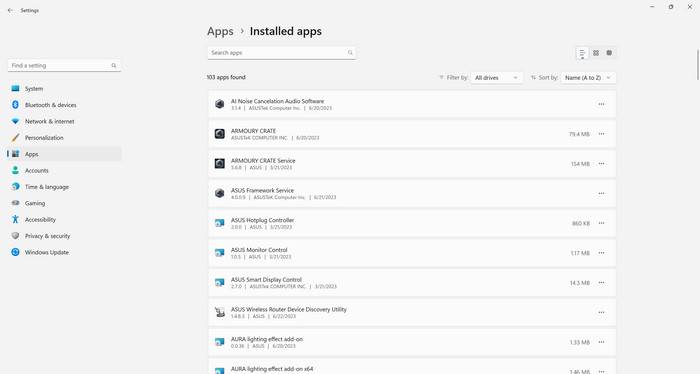
Uninstall Apps

What is HP Quick Launch?

HP Quick Launch is a software application developed by Hewlett-Packard (HP) that is typically pre-installed on HP laptops. Its primary function is to provide quick access to various system settings and features, allowing users to easily control and customize their laptop’s functionality.

HP Quick Launch provides a range of features, including:

  • Quick access to frequently used applications
  • Shortcut keys for specific functions
  • Volume control
  • Wireless network control
  • Screen brightness adjustment
  • Webcam control

These features are designed to enhance the user experience by providing convenient shortcuts and easy access to commonly used settings.

Should I Remove HP Quick Launch?

Whether or not you should remove HP Quick Launch depends on your personal preferences and usage patterns. Here are a few factors to consider:

1. Customization and Convenience

If you frequently use the features provided by HP Quick Launch and find them convenient, there may be no need to remove the application. The quick access to frequently used applications and system settings can save you time and effort.

2. System Performance

While HP Quick Launch is a relatively lightweight application, it still consumes system resources. If you have limited system resources or notice a decrease in performance, removing HP Quick Launch may help improve your computer’s speed and responsiveness.

3. Alternative Solutions

If you decide to remove HP Quick Launch, it’s important to consider alternative solutions that provide similar functionality. Windows operating systems, for example, offer built-in features and shortcuts that can replace the functions provided by HP Quick Launch.

Additionally, there are third-party applications available that offer advanced customization options and shortcut management. One such tool is Revo Uninstaller Free, which not only helps you uninstall applications but also provides additional features for managing your system.

How to Remove HP Quick Launch

If you have decided to remove HP Quick Launch from your HP laptop, here are the steps to do so:

  1. Open the Control Panel on your Windows computer.
  2. Select “Uninstall a program” or “Programs and Features.”
  3. Locate HP Quick Launch in the list of installed programs.
  4. Right-click on HP Quick Launch and select “Uninstall.”
  5. Follow the on-screen prompts to complete the uninstallation process.

Alternatively, you can use a third-party uninstaller tool like Revo Uninstaller Free to ensure a thorough removal of the application.

Conclusion

HP Quick Launch is a software application that provides quick access to various system settings and features on HP laptops. Whether or not you should remove it depends on your personal preferences and usage patterns. If you find the features provided by HP Quick Launch convenient and frequently use them, there may be no need to remove the application. However, if you experience performance issues or prefer alternative solutions, removing HP Quick Launch can help improve your computer’s speed and responsiveness.

Remember to consider alternative solutions and explore third-party applications that offer similar functionality before removing HP Quick Launch. If you decide to uninstall the application, follow the steps outlined in this article or use a reliable uninstaller tool like Revo Uninstaller Free for a thorough removal.

Ultimately, the decision to remove HP Quick Launch should be based on your individual needs and preferences. By understanding the purpose and functionality of the application, you can make an informed decision that aligns with your computing requirements.

10 Rules to Avoid Online Scams

Here are 10 practical safety rules to help you avoid malware, online shopping scams, crypto scams, and other online fraud. Each tip includes a quick “if you already got hit” action.

  1. Stop and verify before you click, log in, download, or pay.

    warning sign

    Most scams win by creating urgency. Verify using a trusted method: type the website address yourself, use the official app, or call a known number (not the one in the message).

    If you already clicked: close the page, do not enter passwords, and run a malware scan.

  2. Keep your operating system, browser, and apps updated.

    updates guide

    Updates patch security holes used by malware and malicious ads. Turn on automatic updates where possible.

    If you saw a scary “update now” pop-up: close it and update only through your device settings or the official app store.

  3. Use layered protection: antivirus plus an ad blocker.

    shield guide

    Antivirus helps block malware. An ad blocker reduces scam redirects, phishing pages, and malvertising.

    If your browser is acting weird: remove unknown extensions, reset the browser, then run a full scan.

  4. Install apps, software, and extensions only from official sources.

    install guide

    Avoid cracked software, “keygens,” and random downloads. During installs, choose Custom/Advanced and decline bundled offers you do not recognize.

    If you already installed something suspicious: uninstall it, restart, and scan again.

  5. Treat links and attachments as untrusted by default.

    cursor sign

    Phishing often impersonates delivery services, banks, and popular brands. If it is unexpected, do not open attachments or log in through the message.

    If you entered credentials: change the password immediately and enable 2FA.

  6. Shop safely: research the store, then pay with protection.

    trojan horse

    Be cautious with brand-new stores, “closing sale” stories, and prices that make no sense. Prefer credit cards or PayPal for dispute options. Avoid wire transfers, gift cards, and crypto payments.

    If you already paid: contact your card issuer or PayPal quickly to dispute the transaction.

  7. Crypto rule: never pay a “fee” to withdraw or recover money.

    lock sign

    Common patterns include fake profits, then “tax,” “gas,” or “verification” fees. Another is a “recovery agent” who demands upfront crypto.

    If you already sent crypto: stop paying, save evidence (wallet addresses, TXIDs, chats), and report the scam to the platform used.

  8. Secure your accounts with unique passwords and 2FA (start with email).

    lock sign

    Use a password manager and unique passwords for every account. Enable 2FA using an authenticator app when possible.

    If you suspect an account takeover: change passwords, sign out of all devices, and review recent logins and recovery settings.

  9. Back up important files and keep one backup offline.

    backup sign

    Backups protect you from ransomware and device failure. Keep at least one backup on an external drive that is not always connected.

    If you suspect infection: do not connect backup drives until the system is clean.

  10. If you think you are a victim: stop losses, document evidence, and escalate fast.

    warning sign

    Move quickly. Speed matters for disputes, account recovery, and limiting damage.

    • Stop payments and contact: do not send more money or respond to the scammer.
    • Call your bank or card issuer: block transactions, replace the card if needed, and start a dispute or chargeback.
    • Secure your email first: change the email password, enable 2FA, and remove unfamiliar recovery options.
    • Secure other accounts: change passwords, enable 2FA, and log out of all sessions.
    • Scan your device: remove suspicious apps or extensions, then run a full malware scan.
    • Save evidence: screenshots, emails, order pages, tracking pages, wallet addresses, TXIDs, and chat logs.
    • Report it: to the payment provider, marketplace, social platform, exchange, or wallet service involved.

These rules are intentionally simple. Most online losses happen when decisions are rushed. Slow down, verify independently, and use payment methods and account controls that give you recourse.