

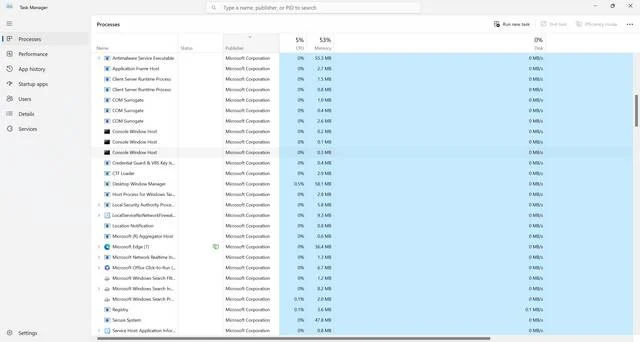
When you open the Task Manager on your Windows computer, you may notice a process called “HP Support Solutions Framework Service” running in the background. This can be a cause for concern for some users, as they may wonder why this process is running and if it is necessary for their system’s performance. In this article, we will explore the HP Support Solutions Framework Service process, its purpose, and why it is running in Task Manager.
Understanding the HP Support Solutions Framework Service
The HP Support Solutions Framework Service is a software component developed by HP to provide support and maintenance for HP devices. It is typically installed on HP computers and laptops and is designed to enhance the user experience by providing access to various support tools and resources.
The main purpose of the HP Support Solutions Framework Service is to facilitate communication between the HP Support Assistant software and the HP servers. It allows the software to check for updates, download and install drivers, and perform diagnostics on the HP device.
Why is the HP Support Solutions Framework Service Running in Task Manager?
The HP Support Solutions Framework Service runs in Task Manager because it is a background process that needs to be active for the HP Support Assistant software to function properly. It is responsible for monitoring and managing the communication between the software and the HP servers.
By running in the background, the HP Support Solutions Framework Service ensures that the HP Support Assistant software can perform its tasks seamlessly without interrupting the user’s workflow. It allows the software to automatically check for updates, download and install drivers, and provide troubleshooting assistance when needed.
While the HP Support Solutions Framework Service may consume some system resources, it is designed to operate efficiently and should not significantly impact the overall performance of your computer. However, if you notice any unusual behavior or excessive resource usage, it is recommended to scan your system for viruses or malware using a reliable security software like Malwarebytes Free.
Benefits of the HP Support Solutions Framework Service
The HP Support Solutions Framework Service offers several benefits to HP device users:
- Automatic Updates: The service ensures that your HP device is always up to date by automatically checking for and installing the latest software updates and drivers.
- Enhanced Troubleshooting: The service provides access to diagnostic tools and resources that can help identify and resolve common issues with HP devices.
- Improved Performance: By keeping your HP device updated and optimized, the service can contribute to better overall performance and stability.
- Convenient Support: The service allows users to easily access support resources, such as user guides, troubleshooting articles, and contact information for HP support.
Disabling or Uninstalling the HP Support Solutions Framework Service
If you do not use or require the HP Support Assistant software or find the HP Support Solutions Framework Service unnecessary, you have the option to disable or uninstall it. However, it is important to note that doing so may limit your access to certain support features and functionalities provided by HP.
To disable the HP Support Solutions Framework Service, you can follow these steps:
- Open the HP Support Assistant software on your computer.
- Click on the “Settings” icon in the bottom left corner of the window.
- In the “Settings” menu, navigate to the “Health Analysis” tab.
- Under the “Health Analysis” tab, uncheck the box next to “Enable HP Support Solutions Framework Service.”
- Click “Save” to apply the changes.
If you wish to uninstall the HP Support Solutions Framework Service completely, you can do so through the Control Panel or using Revo Uninstaller. However, it is recommended to create a system restore point before making any changes to your system to ensure you can revert the changes if needed.
Conclusion
The HP Support Solutions Framework Service is a background process that runs in Task Manager to facilitate communication between the HP Support Assistant software and the HP servers. It is responsible for checking for updates, downloading and installing drivers, and providing troubleshooting assistance for HP devices.
While the HP Support Solutions Framework Service may consume some system resources, it is designed to operate efficiently and should not significantly impact the overall performance of your computer. If you do not use or require the HP Support Assistant software, you have the option to disable or uninstall the service, but it is important to consider the potential limitations in accessing support features and functionalities provided by HP.
Remember, if you encounter any unusual behavior or excessive resource usage, it is always recommended to scan your system for viruses or malware using a reliable security software like Malwarebytes Free.

Join the discussion
0 commentsShare your experience or ask a question about this article.
Discussion
Start the conversation
Have a question or something useful to share? Add the first comment.