

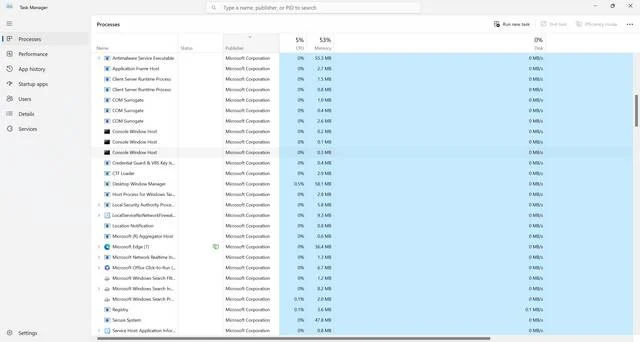
When you open the Task Manager on your Windows computer, you may notice a process called “Service Host: Windows Driver Foundation – User-mode Driver Framework” running in the background. This process, also known as WUDFHost.exe, is an essential component of the Windows operating system. In this article, we will explore why this process is running, its purpose, and how it impacts your computer’s performance.
Understanding the Windows Driver Foundation
The Windows Driver Foundation (WDF) is a set of libraries and tools provided by Microsoft to simplify the development of device drivers for Windows. Device drivers are software programs that allow the operating system to communicate with hardware devices such as printers, scanners, and graphics cards. The WDF includes two frameworks: the Kernel-Mode Driver Framework (KMDF) and the User-Mode Driver Framework (UMDF).
The User-Mode Driver Framework, which is relevant to the “Service Host: Windows Driver Foundation – User-mode Driver Framework” process, provides a user-mode programming interface for developing drivers. It allows developers to write drivers that run in user mode rather than kernel mode, which provides better stability and security for the operating system.
Why is the User-Mode Driver Framework Process Running?
The “Service Host: Windows Driver Foundation – User-mode Driver Framework” process is responsible for hosting and managing user-mode drivers on your computer. When a device driver is installed on your system, it is loaded into memory and managed by this process. The process ensures that the drivers are running correctly and facilitates communication between the drivers and the operating system.
Here are some reasons why the User-Mode Driver Framework process may be running:
- Device Drivers: If you have recently installed a new hardware device or updated an existing driver, the User-Mode Driver Framework process will be running to manage the newly installed or updated driver.
- Driver Updates: Windows regularly checks for driver updates through Windows Update. When a new driver update is available, the User-Mode Driver Framework process is responsible for installing and managing the updated driver.
- Third-Party Software: Some third-party software applications may require user-mode drivers to function correctly. In such cases, the User-Mode Driver Framework process will be running to support the functionality of these applications.
Impact on System Performance
The User-Mode Driver Framework process is designed to run efficiently in the background without causing significant performance issues. However, in some cases, you may notice that the process consumes a considerable amount of CPU or memory resources. This can happen due to various reasons:
- Driver Issues: If a driver installed on your system is outdated or incompatible, it may cause the User-Mode Driver Framework process to consume excessive resources. In such cases, updating the driver to the latest version can help resolve the issue.
- Malware or Virus: Malware or viruses can disguise themselves as legitimate processes, including the User-Mode Driver Framework process. If you suspect malware or virus activity, it is recommended to scan your system using reliable antivirus software like Malwarebytes Free.
- Resource Intensive Applications: Certain resource-intensive applications or tasks may temporarily increase the CPU or memory usage of the User-Mode Driver Framework process. Once the task is completed, the resource usage should return to normal.
Conclusion
The “Service Host: Windows Driver Foundation – User-mode Driver Framework” process is an integral part of the Windows operating system, responsible for managing user-mode drivers. It ensures the proper functioning of device drivers and facilitates communication between drivers and the operating system. While the process generally runs efficiently, issues such as outdated drivers or malware can impact its performance.
If you notice any unusual behavior or excessive resource usage by the User-Mode Driver Framework process, it is recommended to update your drivers, scan for malware, and monitor resource usage using the Task Manager. By keeping your drivers up to date and ensuring a secure system, you can maintain optimal performance and stability on your Windows computer.

Join the discussion
0 commentsShare your experience or ask a question about this article.
Discussion
Start the conversation
Have a question or something useful to share? Add the first comment.