


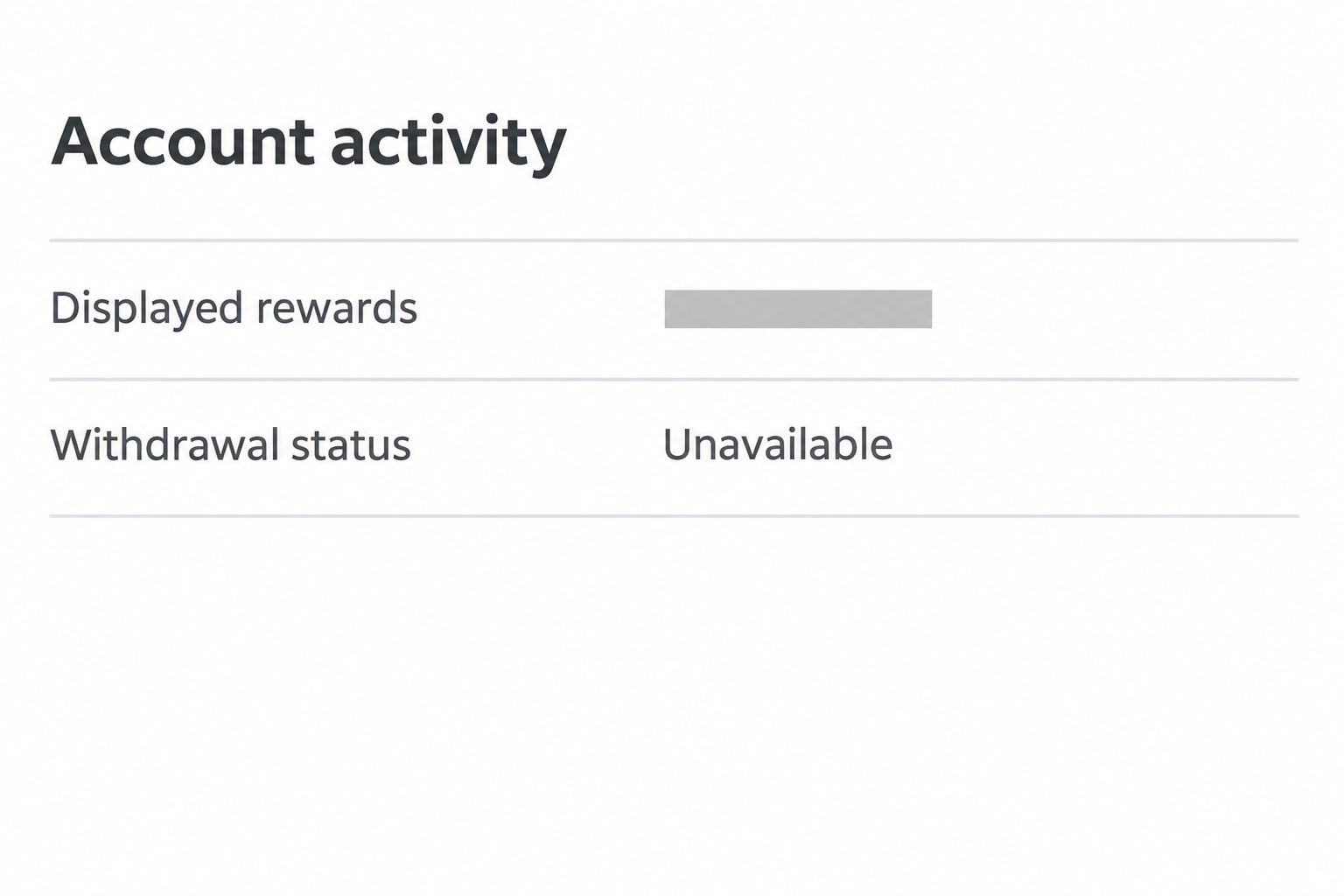
Your account shows rewards building up. The people who introduced you to the membership say they’re seeing the same thing, so the numbers start to feel familiar.
Then you try to move the money somewhere you control. What the account shows and what you can actually withdraw turn out to be different questions.
Overview
The investment was sold under more than one name
The Guardian revisited HyperVerse in November 2026, reporting on how the investment spread and how participants struggled to access funds after it collapsed.
The Justice Department’s HyperFund case page identifies related names including HyperTech, HyperCapital, HyperVerse, and HyperNation. Prosecutors described online memberships sold as investments.
The US case describes promises of daily rewards and claims that mining helped fund them. Prosecutors allege the large-scale mining operation described to investors did not exist.
The UK Financial Conduct Authority warning separately advised people to avoid dealing with the firm. A different name in a later message isn’t a reason to pay.
What the $1.89 billion figure does and doesn’t mean
US prosecutors charged Sam Lee over an alleged $1.89 billion cryptocurrency fraud. That figure is an allegation about the overall scheme, not an estimate of what one member lost.
Brenda Chunga pleaded guilty to conspiracy to commit securities fraud and wire fraud. The Justice Department lists her case and sentencing schedule separately from Lee’s.
Rodney Burton received a 32-month sentence in July 2026. The Justice Department identifies his charges as relating to operation of an unlicensed money-transmitting business.
Don’t read one person’s plea or sentence as a finding about every other named individual. Lee denied the charges, as The Guardian reported.
Look at what is under your control
A balance in a closed account can show what someone says you own. It cannot tell you by itself whether that amount is accessible or backed by outside assets.
The following checks are more useful than an impressive total:
- Distinguish your original payment from any rewards shown only inside the account.
- Keep records of withdrawals that actually reached an account or wallet you control.
- Identify the legal business that accepted each separate payment.
- Check current official warnings and don’t depend on a group moderator to interpret them.
- Treat an offer to unlock an old balance for a new fee as a separate demand.
A friend may repeat the promise because they believed it themselves. You still need evidence from somewhere other than that member’s account.
How the HyperFund Scheme Worked
Step 1: An investment was described as a membership
The names changed, but the offer wasn’t simply a subscription to read about cryptocurrency. Prosecutors said participants purchased packages pitched as a way to earn investment rewards.
A different label doesn’t answer what you’re buying. Ask who holds the money, what rights the terms give you, and what happens if you want it back.
A platform can say rewards are passive, but you still have to understand the business that is supposed to pay them. The promise doesn’t explain the source.
Before you move money, verify the offer through your own channels. Don’t use the description in a webinar or group chat as your only record.
Step 2: The promised rewards sounded predictable
The Justice Department said materials allegedly promised daily benefits of 0.5% to 1% until the original investment doubled or tripled. Those were promotional claims, not independently verified yields.
Prosecutors said the scheme presented cryptocurrency mining as a source of payments. Finding out whether that revenue existed was very different from checking what the materials said.
A real business model doesn’t become verifiable because many members describe it the same way. Ask what independent documentation supports the claimed revenue.
If the answer is that the rewards have already appeared on a screen, you still haven’t learned where the money came from.
Step 3: The network made the offer feel familiar
People encountered the scheme through online promotion, presentations, and other participants. A conversation with someone you know can make a risky offer feel like an introduction rather than advertising.
You may not know whether the person recommending an offer received a benefit or invested their own money. Neither would substitute for independent evidence.
If you want to verify a payment showing on another person’s account, remember that a picture doesn’t establish its source. Don’t put money in just to test the claim.
Friends and family can have lost money too. Keep the question about your transactions separate from the question of what they believed.
Step 4: Withdrawals stopped being a reliable part of the offer
The Justice Department says court documents allege HyperFund began blocking withdrawals by at least July 2021. The Guardian reported people later unable to access their funds.
A blocked withdrawal matters even when rewards still appear on the screen. If you can’t independently confirm where assets are held, another upgrade won’t answer that question.
Write down when you tried to withdraw and what happened. Distinguish a status message, a promise from a promoter, and a transfer you can actually trace.
Do not borrow money to keep a membership or old balance active. The existence of a displayed amount doesn’t show a new payment will release it.
Step 5: Later names and recovery pitches complicated the decision
The continuing use of related names can make a new offer sound like a routine move from one service to another. Treat any request for funds as a new transaction.
Ask whether you’re being offered a genuine remedy, a new investment, or a fee to chase an old balance. Don’t let a stranger choose the label for you.
Check the current status through regulators or official case information, not through a message from a promoter. No official case page guarantees you’ll recover a particular amount.
If someone asks you to abandon an official complaint before helping, don’t rely on their instructions. Contact the authority or institution handling your report directly.
How to Review Your Membership and Payment Records
Make a timeline that starts outside the dashboard
Start with the date and amount you sent from your own bank, exchange, or payment service. Record what the recipient said the payment was for.
Add any amounts that actually came back to you. Keep displayed rewards on a different line so you don’t mix a claim with a completed transfer.
If you have statements from more than one provider, note which one handled each payment. A report is easier to follow when it separates those records.
Record which name appeared on the ad and which one appeared on the payment record. That difference can be relevant even if assets never moved back to you.
If you funded the account with cryptocurrency, keep the exchange confirmation and transaction identifier if you already have them. Share them privately when they are needed for a report.
If a friend paid on your behalf, note who actually sent the money and whose account showed the membership. Keep any agreement between you available as supporting context.
Don’t convert the displayed balance using today’s exchange rate and call it a verified loss. Record the original currencies and dates before using any estimate.
Check who is asking for anything new
If someone says your account has moved to another company, ask for independent evidence that the original and new businesses are connected. Do not open a link to investigate.
Find the legal name, relevant regulator, and an independent contact. A company number or financial registration belonging to a real business doesn’t authenticate the individual requesting money.
Look for an official regulator notice covering the name or service. A warning can answer one question, but not finding a name cannot establish that an offer is safe.
If the supposed provider doesn’t let you review complete terms before paying, leave your money where it is. A group presentation is not a replacement for those terms.
If a message uses a screenshot of a recent regulator notice, find the notice on the regulator’s site. The screenshot may leave out the part that contradicts the sender.
Ask whether the person claims to represent a court, a regulator, or a private service. Those roles are different, and none should be accepted from a profile name alone.
Withdrawing is different from claiming compensation
A withdrawal request is a request to the platform for the funds it displays. A report to authorities concerns what happened and may ask for a different set of records.
Read the Justice Department case updates directly rather than through a screenshot. Eligibility, deadlines, and any procedure for victims are matters to check with the official source.
Be cautious if a caller treats a case reference as proof they can help. Public case numbers are available to people who don’t work for investigators or providers.
An official notice may ask you to describe what happened without deciding whether you qualify for anything. Keep a copy and note when and where you submitted it.
What to Do If You Paid Into HyperFund or HyperVerse
Stop making payments and document the current demand
Don’t pay to reactivate a package, transfer a balance, or release a withdrawal without independent verification. Save the message and the reasons the sender gave.
If the request came from someone you know, don’t send your transaction details back to the group. Keep the records where you can access them privately.
Contact each provider that handled your money
Use your bank or exchange’s genuine app or website. Explain what you authorized, where it went, and why you believe the investment was fraudulent.
Ask about options, timing, and evidence requirements. Recovery depends on the payment method and circumstances, not on what somebody promises in a chat.
Separate actual transactions from displayed balances
Save statements, payment confirmations, account history, and any withdrawal record you already have. Note which amounts came from your provider and which appeared only on the platform.
If you paid for several memberships, list them separately. Don’t count a displayed reward as a second payment you made.
Protect accounts and identity details you shared
If you reused a password or shared sign-in information, change it independently on the affected service. Review account recovery settings and recent activity.
If you sent identity or bank records, tell the issuer or bank what was exposed. Do not send a fresh copy to a recovery contact.
Use official reporting and victim information
The Justice Department’s case page includes contact routes and updates for victims. UK readers can follow the FCA warning’s reporting directions.
If an authority requests records, confirm the destination through its official website. Keep the case reference rather than sending the same sensitive files to several strangers.
Decline unsolicited offers to release or recover funds
Don’t pay anyone who promises access to an old dashboard balance or claims a special relationship with investigators. Verify using contact details you found independently.
If you already paid a new service, report that transaction separately. A follow-up loss is not evidence that the original platform still holds money for you.
Frequently Asked Questions
Are HyperFund and HyperVerse the same thing?
The US case page lists HyperVerse among names associated with HyperFund. It also lists other related names used in the case.
That doesn’t prove a new sender represents the old business. If a new contact asks for payment, verify that request independently.
Was everyone named in the case convicted?
No, the official case page distinguishes different defendants and charges. Chunga pleaded guilty, Burton was sentenced in his case, and the allegations against Lee should be described separately.
Check official updates before relying on a repost about anyone’s current legal status. Don’t mistake a headline about the overall case for a finding about everyone named.
Is the $1.89 billion figure a recovery fund?
It describes the size of the alleged scheme in the US charging material. It does not say that the same amount is available to be paid back.
If you need information about your own position, start with records of what you paid. Check actual victim procedures through the official case page.
Does a small withdrawal prove the rest is safe?
A completed withdrawal shows that a particular payment reached you. It doesn’t establish the source of all the money or guarantee future withdrawals.
Keep that payment in your records when explaining what happened. Don’t increase your exposure simply because one earlier request was paid.
What if someone says I can recover the balance by switching platforms?
Ask whether the institution handling your case recognizes the new request. Do not rely on a social group or caller to establish that the money exists.
Treat any extra payment as a new decision with its own risk. Avoid paying while the original transaction is still unresolved.
Can I report it if the website no longer works?
Yes, you can start with the records you already have. Save bank or exchange statements, the name used, relevant dates, and any message about a blocked withdrawal.
You don’t need to reopen an old link to make a report. Confirm where to send the evidence through the appropriate authority or provider.
The Bottom Line
Don’t pay to reopen or unlock a HyperFund or HyperVerse balance. A number displayed in an account doesn’t prove that funds are available to withdraw.
If you already paid, put your actual transfers and reported rewards in separate records. Contact your provider and check the official case information for ways to report what happened.

Join the discussion
0 commentsShare your experience or ask a question about this article.
Community experiences
Did this happen to you?
Your experience could help someone recognize the same scam. Submit a private report for our team to review.
I experienced this tooReports are reviewed before publication. Sharing publicly is always your choice.
Discussion
Start the conversation
Have a question or something useful to share? Add the first comment.