

When it comes to pre-installed software on your computer, it’s important to understand what each program does and whether or not it is necessary for your system’s functionality. One such program that often raises questions is InterVideo WinDVD for TOSHIBA. In this article, we will delve into what InterVideo WinDVD for TOSHIBA is, its purpose, and whether or not you should consider removing it from your computer.
What is InterVideo WinDVD for TOSHIBA?
InterVideo WinDVD for TOSHIBA is a software program that comes pre-installed on many TOSHIBA laptops and desktop computers. It is a media player designed to play DVDs and other video files. InterVideo WinDVD for TOSHIBA offers a range of features, including DVD playback, video upscaling, surround sound support, and more.
This software is specifically tailored for TOSHIBA devices and is optimized to provide a seamless multimedia experience on these systems. It is often bundled with TOSHIBA laptops and desktops to enhance the overall user experience and provide users with a reliable and feature-rich media player.
Should I Remove InterVideo WinDVD for TOSHIBA?
Now that we understand what InterVideo WinDVD for TOSHIBA is, let’s discuss whether or not you should consider removing it from your computer. The decision to remove this software ultimately depends on your personal preferences and usage patterns. Here are a few factors to consider:
1. Alternative Media Players
If you already have a preferred media player installed on your computer, such as VLC Media Player or Windows Media Player, you may not need InterVideo WinDVD for TOSHIBA. These alternative media players offer similar functionality and may already meet your needs. In such cases, removing InterVideo WinDVD for TOSHIBA can help free up valuable system resources and declutter your computer.
2. DVD Playback
If you frequently watch DVDs on your TOSHIBA computer, InterVideo WinDVD for TOSHIBA can be a valuable tool. It is specifically designed for DVD playback and offers features like video upscaling and surround sound support, which can enhance your viewing experience. If DVD playback is an important aspect of your computer usage, it may be worth keeping InterVideo WinDVD for TOSHIBA.
3. System Performance
Another factor to consider is the impact of InterVideo WinDVD for TOSHIBA on your system’s performance. While this software is generally lightweight and shouldn’t cause significant performance issues, it is always a good idea to evaluate the overall performance of your computer. If you notice any slowdowns or performance issues, removing unnecessary software like InterVideo WinDVD for TOSHIBA can help improve system responsiveness.
How to Remove InterVideo WinDVD for TOSHIBA
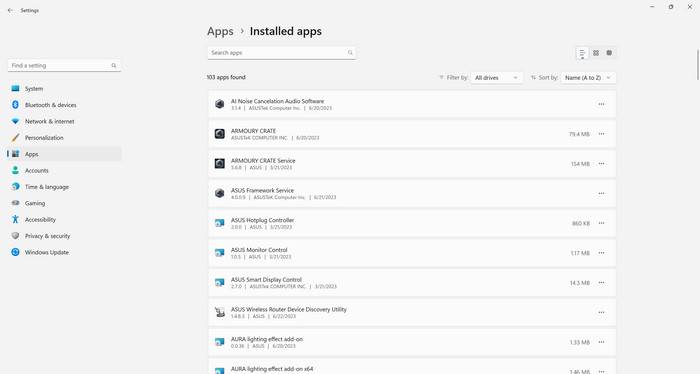
If you have decided to remove InterVideo WinDVD for TOSHIBA from your computer, here are the steps to do so:
- Open the Control Panel on your TOSHIBA computer.
- Select “Uninstall a program” or “Programs and Features.”
- Locate InterVideo WinDVD for TOSHIBA in the list of installed programs.
- Right-click on InterVideo WinDVD for TOSHIBA and select “Uninstall.”
- Follow the on-screen prompts to complete the uninstallation process.
After removing InterVideo WinDVD for TOSHIBA, it is recommended to restart your computer to ensure that all changes take effect.
If you encounter any issues during the uninstallation process or if InterVideo WinDVD for TOSHIBA is not listed in the installed programs, you can consider using a reliable uninstaller tool or scanning your computer for any leftover files or registry entries.
Note: Before making any changes to your computer, it is always a good idea to create a system restore point or backup your important files to avoid any potential data loss.
Conclusion
InterVideo WinDVD for TOSHIBA is a pre-installed media player software that offers DVD playback and other multimedia features on TOSHIBA computers. Whether or not you should remove it depends on your personal preferences, usage patterns, and the presence of alternative media players. If you have a preferred media player and do not frequently use DVD playback, removing InterVideo WinDVD for TOSHIBA can help optimize your system’s performance and free up resources.
However, if you rely on InterVideo WinDVD for TOSHIBA for DVD playback and appreciate its additional features, it may be worth keeping it installed on your TOSHIBA computer.
Remember, if you decide to remove InterVideo WinDVD for TOSHIBA or any other software from your computer, it is always a good practice to scan your system for any potential malware or leftover files using a reliable tool like Malwarebytes Free. This will help ensure that your computer remains secure and free from any unwanted remnants.

Join the discussion
0 commentsShare your experience or ask a question about this article.
Discussion
Start the conversation
Have a question or something useful to share? Add the first comment.