

Have you seen the viral ads claiming Jillian Michaels has revealed a secret coffee trick that melts away fat? They promise a simple 4-ingredient recipe that works like magic weight-loss drugs such as Ozempic or Mounjaro—without side effects. Sounds too good to be true, right? That’s because it is. These ads are part of a sophisticated scam exploiting trust and hope through deepfake technology and fake endorsements.
In this article, we expose the truth about the Jillian Michaels Coffee Trick Recipe scam, explain how it works step by step, and show you what to do if you’ve already fallen for it.
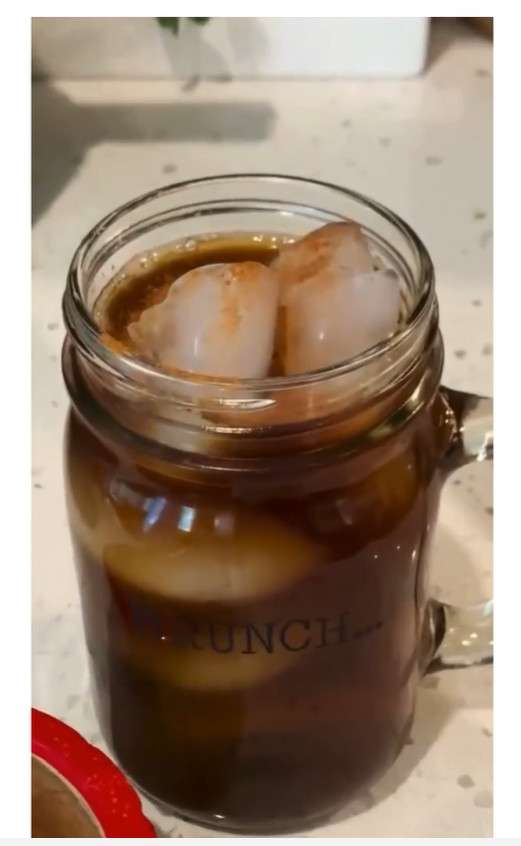
Scam Overview: Why This Went Viral
The Jillian Michaels Coffee Trick scam combines everything scammers need to go viral: a familiar face, a simple promise, and fake authority. Here’s why it gained traction:
Fake Celebrity Endorsements
The videos circulating online feature Jillian Michaels supposedly promoting a “coffee trick” that melts belly fat fast. But here’s the reality: these clips are AI-generated deepfakes. Lip movements don’t match, voices sound off, and the original videos are taken out of context. Jillian Michaels has never endorsed this method.
Over-the-Top Claims
The ads suggest you can mimic the effects of prescription drugs like Ozempic or Mounjaro with a natural recipe—no dieting, no exercise. Such claims have no scientific basis. Experts agree there’s no coffee trick or pink salt drink that can cause rapid fat loss.
Emotional Triggers
Scammers prey on vulnerability. They use dramatic weight-loss transformations, emotional testimonials, and phrases like “doctors don’t want you to know this secret.” It’s designed to bypass critical thinking and make you act fast.
Hidden Agenda: Selling Fake Supplements
Behind the coffee recipe hype is a push for overpriced supplements like Slim Shape or Slim Burn. These products boast fake FDA approvals, glowing reviews, and labels like “GMP Certified”—all fabricated to create false trust. The goal? Get you to pay big money for worthless pills.
Why It Works
- Authority Bias: People trust familiar faces.
- Urgency: Limited-time offers and fake countdowns pressure you to act.
- Hope Marketing: Promises of easy weight loss tap into emotional pain points.
Now, let’s dive into exactly how this scam operates.
How the Scam Works
Step 1: Viral Ads and Clickbait
You first encounter the scam via social media ads, often on Facebook, Instagram, or YouTube. The headline promises: “Jillian Michaels Reveals Coffee Secret for Rapid Fat Loss.” The ad features a deepfake video to grab attention.
Step 2: Long-Form Video with Fake Storytelling
Clicking the ad takes you to a 30-60 minute video. It starts with an emotional hook—someone who tried everything and finally discovered this “secret.” The video builds suspense, using dramatic language and emotional appeals.
Step 3: Deepfake Endorsements
The scam relies heavily on AI-generated videos of Jillian Michaels. These deepfakes are designed to appear authentic but are full of glitches—lip-sync issues, robotic tone, and unnatural expressions.
Step 4: Fake Science and Authority
The videos show stock images of scientists, fake clinical charts, and buzzwords like “metabolic reset” or “hormone optimization.” They claim the coffee trick triggers fat-burning at a cellular level—completely unproven.
Step 5: The Switch
At first, the video suggests you can use ingredients from your kitchen. But halfway through, it claims you need a “special ingredient” only available through their product—Slim Shape or Slim Burn.
Step 6: Urgency and Scarcity Tactics
The website shows countdown timers, fake stock alerts like “Only 4 bottles left,” and “Offer expires in 10 minutes.” These tactics are meant to pressure you into buying immediately.
Step 7: Price Manipulation
The supplements are priced at $60-$80 per bottle, with fake discounts on bulk orders like “Buy 3, Get 2 Free.” These upsells maximize profit.
Step 8: No Refunds, No Support
Once you pay, customer service is nearly impossible to reach. Refunds are rarely processed, and the company often vanishes after a few weeks, reappearing under a new name.
Step 9: Data Exploitation
Victims’ personal and financial details are stored and often sold to other scammers, leading to more fraudulent charges and scam attempts.
What to Do If You’ve Fallen Victim to This Scam
- Stop All Contact: Do not engage with emails or phone calls from the scam company.
- Contact Your Bank: Request a chargeback immediately. The faster you act, the better your chances.
- Report to Authorities:
- FTC: reportfraud.ftc.gov
- Better Business Bureau: bbb.org
- Local consumer protection agencies
- Monitor Your Accounts: Check your credit card and bank statements for suspicious activity.
- Enable Fraud Alerts: Consider placing a credit freeze or fraud alert with major credit bureaus.
- Report the Ads: Flag the scam ads on Facebook, Instagram, or YouTube to help stop their spread.
- Educate Others: Share your experience to prevent friends and family from falling for similar scams.
FAQ: Jillian Michaels Coffee Trick Recipe Scam
What is the Jillian Michaels Coffee Trick Recipe scam?
The Jillian Michaels Coffee Trick Recipe scam is a deceptive online scheme that uses AI-generated deepfake videos of fitness expert Jillian Michaels to promote a fake weight-loss “coffee hack.” The scam claims that a simple drink mimics the effects of medications like Ozempic or Mounjaro, but it’s designed to trick viewers into purchasing overpriced, unregulated supplements like Slim Shape or Slim Burn.
Did Jillian Michaels actually endorse the coffee trick recipe?
No, Jillian Michaels has never endorsed any coffee trick for weight loss. The videos circulating online are AI-generated deepfakes. Her voice and appearance are digitally manipulated to make it look like she supports the product. These videos are completely fake and unauthorized.
What products are being promoted through this scam?
Most versions of the scam promote supplements like Slim Shape or Slim Burn, which are marketed as natural weight-loss pills. These products are often overpriced, underregulated, and come with fake reviews, fabricated certifications like “GMP Certified,” or even false claims of FDA approval.
How does the coffee trick scam work?
The scam typically follows a predictable pattern:
- A viral video hooks the viewer with a “celebrity-endorsed secret.”
- A dramatic, emotional story unfolds, teasing a hidden recipe.
- The final ingredient is never fully revealed unless you buy the product.
- Scarcity tactics and fake science push the viewer toward immediate purchase.
- Once you pay, you either receive a low-quality supplement or nothing at all.
Is there any real science behind the coffee trick for weight loss?
No, there is no clinical evidence that the so-called coffee trick—often involving common ingredients like instant coffee, lemon, or turmeric—produces any significant weight loss. Legitimate weight loss requires a healthy diet, exercise, and in some cases, doctor-prescribed medication. Claims made by these scam videos are not scientifically backed.
How can I tell if a Jillian Michaels video is fake?
Watch for these red flags:
- Her lips don’t match the audio (lip sync issues)
- The voice sounds slightly robotic or overly smooth
- Backgrounds look generic or altered
- The content makes unbelievable health claims
- The video links directly to a supplement sales page
What should I do if I purchased something from a coffee trick ad?
If you’ve made a purchase:
- Contact your bank or credit card provider to request a chargeback
- Report the website and product to the FTC, BBB, or your country’s consumer protection agency
- Monitor your financial accounts for unusual activity
- Avoid further purchases or interactions with the company
- Warn friends and family to prevent additional victims
Are the reviews for Slim Shape and Slim Burn real?
No, many of the reviews are fake. Scammers often use stock images or AI-generated photos with false testimonials. These reviews are created to build false credibility and pressure consumers into making quick purchases.
Why do these scams keep appearing on Facebook and YouTube?
Social media platforms use algorithms that sometimes fail to catch deceptive content immediately. Scammers take advantage by constantly creating new versions of the same video under different names, pages, or domains. Once one account is banned, another pops up.
How can I protect myself from weight-loss scams like this?
To avoid falling for similar scams:
- Always verify celebrity endorsements from official sources
- Be skeptical of miracle weight-loss claims
- Avoid websites that use urgency tactics (e.g. countdown timers or “limited supply”)
- Look up the product name + “scam” or “review” before buying
- Stick to well-known brands and talk to a healthcare provider before trying new supplements
The Bottom Line
The Jillian Michaels Coffee Trick Recipe is a scam—no celebrity-endorsed coffee trick will replace healthy habits. These ads use deepfake videos, fake science, and emotional manipulation to sell overpriced supplements. Stay skeptical of miracle cures, verify endorsements from official sources, and never trust a weight-loss shortcut that sounds too good to be true.
Your best defense is awareness. The more you know, the harder it is for scammers to win.

Join the discussion
0 commentsShare your experience or ask a question about this article.
Discussion
Start the conversation
Have a question or something useful to share? Add the first comment.