

Online shopping scams involving fake websites purporting to sell King Crab at unbelievably low prices are on the rise. These fraudulent sites lure in victims with tantalizing offers and convincing web designs, only to leave customers empty-handed once payment is made.
This comprehensive guide will provide an in-depth look at how these King Crab scams operate, how to spot fraudulent sites, what to do if you’ve fallen victim, and tips on protecting yourself while shopping online
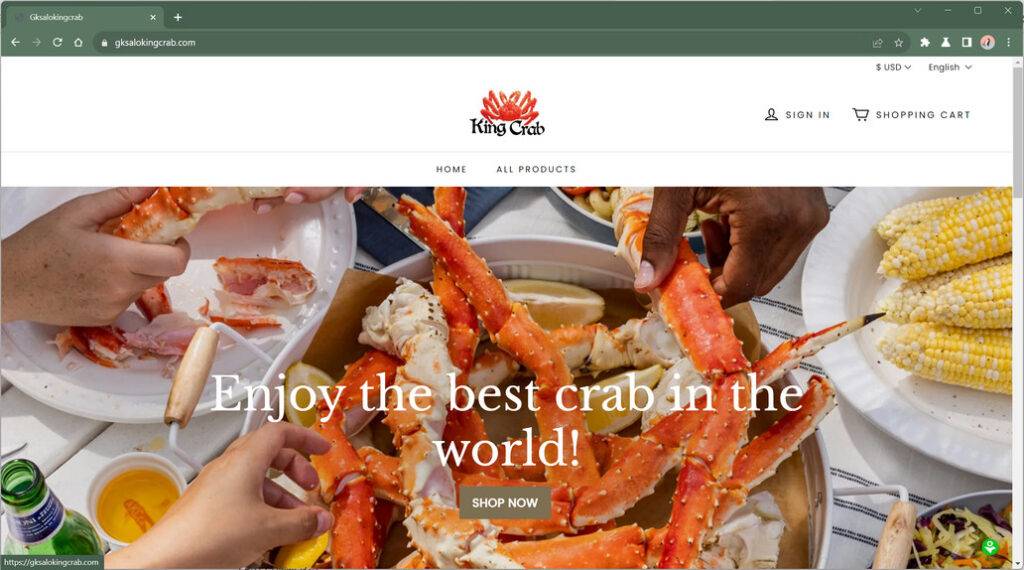
King Crab Websites Scam Overview
The fake King Crab websites are carefully designed to convince shoppers of their authenticity. They will use stock images of giant crab legs and whole King Crabs. Descriptions boast of fresh, wild-caught seafood shipped overnight from Alaska.
To lure customers in, these scam websites list unbelievably low prices, making it very tempting to place a large order. The selection appears vast, ranging from whole King Crabs, legs, claws, crab cakes, soft shell crabs, and more.
Once the victim places an order online, they will receive an email confirmation with a tracking number that doesn’t work. Credit cards are charged immediately for the full amount.
After allowing weeks to pass without receiving the promised shipment, most customers find that emails and calls to the company go unanswered. The legitimate-looking website has now disappeared as well. Ultimately, no products arrive and any money paid is lost.
How the King Crab Shopping Scam Works
The King Crab shopping scam unfolds in the following manner:
Promotion via Social Media Ads
Scam websites rely heavily on Facebook, Instagram, and TikTok ads to direct unsuspecting buyers to their sites. Targeted promotions that pop up in feeds often succeed in driving traffic to the fraudulent stores.
Convincing Website Design
Scammers invest heavily in the website design, ensuring the site looks like a legitimate online seafood market. Branding, navigation, product listings, and checkout flows mimic professional e-commerce sites. High-resolution photos of giant King Crab legs help build trust and credibility.
“Too Good to Be True” Pricing
Listings typically advertise 5-10 pounds of premium legs for $40-$60, while whole King Crab are offered for $30-$50. Such prices are well below wholesale rates and should immediately raise red flags. However, the remarkable deals are part of the enticement.
Payments Processed, No Crab Sent
Once lured in by the appealing prices, customers add King Crab to their cart and pay. Payment methods may include credit cards, Zelle, PayPal, or crypto. After payments are processed, orders are never fulfilled. The scam company keeps the money while sending zero product to buyers.
Refunds and Returns Refused
When customers inquire about late shipments or request refunds, emails and calls go unreturned. The scammers offer no customer service. Negative reviews posted on the site often get deleted. Fake sites and accounts can disappear once enough victims have been hooked.
Data Harvesting Risks
In addition to payment details, some sites collect names, addresses, and other personal info during checkout, gaining data that can be used maliciously.
Recognizing Fake King Crab Websites
While scam King Crab websites invest a lot of effort into appearing real, there are ways to discern their illegitimacy upon closer inspection.
Warning Signs of a King Crab Scam Site:
- No Business Address – Fake sites won’t have a real, physical business location. At most, a vague address may be posted along with a map pinned arbitrarily.
- No Company History – Most scams don’t bother fabricating an elaborate backstory. No “About Us” page detailing years in the Alaskan crab industry or founder information.
- Amateur Web Design – Poor grammar, typos, stock photos, and cloned content from real websites will be telltale signs.
- Unreasonably Low Prices – Scams lure in victims with deals too good to be true. Large King Crab legs for just $10/lb when they typically cost $30-$60/lb wholesale raises red flags.
- High Pressure Sales Tactics – Phony discounts, flash sales, and countdown timers aim to rush customers into purchases before scrutinizing the site.
- Lack of Secure Checkout – No SSL certificate means entering payment information risks exposure. Legitimate businesses always encrypt connections to protect sensitive data.
- No Reviews – All credible online stores display third-party reviews. Scams won’t risk negative feedback exposing their racket.
- Grammatical Errors – Sloppy writing suggests foreign scammers rather than native English speakers.
- No Customer Service Contact Info – Apart from an email address, fake sites won’t provide phone numbers, live chat, social media channels, or easy ways to contact them.
- Missing Returns Policy – Authentic retailers let customers send back unsatisfactory items. Scams obviously won’t allow returns or refunds.
How Victims Get Targeted by Fake King Crab Websites
Scammers running these websites utilize a variety of unethical marketing tactics to attract their prey. Here are some of the ways they entice and ensnare victims:
- Search Engine Ads – Bidding on keywords like “King Crab legs” and “Alaskan Crab” allows scam ads to appear prominently in search results.
- Social Media – Fake sites leverage Facebook, Instagram, and TikTok with tantalizing images, videos, and ads. They rely heavily on impulse buying behavior.
- Popups & Redirects -Suspicious sites will spawn new browser tabs/windows opening the fraudulent store. Clicking anywhere risks unintentionally placing an order.
- Spam Emails – Messages promoting unbelievable offers with countdown timers manufacture urgency to entice clicks.
- Time-Sensitive Deals – Phony alerts about flash sales, limited quantities, and expiring discounts pressure hasty purchases before detecting scam red flags.
- Affiliate Marketing – Scammers recruit others to promote their fake store, often unaware it is a scam operation. Traffic from blogs, YouTube, and social media skyrockets.
- Retargeting Ads – Sites use cookies to track visitors and follow them around the web with ads enticing another visit to complete purchase.
In general, impulsive buyers lured in by incredible deals end up losing money to these websites. However, even savvy shoppers can be duped by the sophisticated nature of certain schemes. Stay vigilant and exercise caution when encountering unfamiliar online stores offering prices that seem too good to be true.
What to Do if You Fell Victim to a King Crab Scam
Upon realizing you’ve been defrauded by a fake King Crab website, take the following recommended steps:
- Act Quickly to Avoid Losses – Immediately notify your credit card company to dispute the charges as fraud. Report the incident to them as soon as possible to potentially reverse the transactions.
- Contact Bank if Funds already Cleared – For debit cards or direct bank transfers, your financial institution may be able to assist if funds already cleared into the scammer’s account. File for fraud investigation and reimbursement.
- Report Details to the FTC – Lodge a complaint with the Federal Trade Commission (FTC) about the King Crab scam website. Provide URLs, company names, transaction details, and any correspondence. The FTC tracks and prosecutes online scams.
- Warn Others – Leave comments about the scam on retailer review platforms to prevent future victims. Report fake social media accounts, ads, or websites to get them taken down quicker.
- Adjust Security Settings – Strengthen online account security by implementing two-factor authentication where possible and choosing strong unique passwords. Monitor financial statements routinely for any irregularities.
- Research Thoroughly Next Time – Learn how to identify the warning signs of scam websites. Verify legitimacy carefully before providing payment or personal information. Use credit cards when shopping online, which offer more protection.
- Consider Legal Action – Victims who suffered large losses or identity theft may want to consult an attorney about pursuing civil or criminal charges. However, scammers are often overseas, limiting viable legal recourse.
The quicker victims act to report King Crab website scams, the better chances they have for reversing fraudulent transactions and avoiding additional damages. Although recovering lost funds gets less likely over time, alerting authorities can get scam operations shut down faster before they steal from more consumers.
Frequently Asked Questions
How do I get my money back after being scammed by a fake King Crab website?
- Immediately call your credit card company or bank to dispute the charges as fraudulent. Provide details of the scam website and request a chargeback. Acting quickly gives the best chance of a refund.
I paid the King Crab scammers with a debit card. What are my options?
- Contact your bank right away and ask to speak with the fraud department. Although less protections exist with debit payments, the bank still may be able to reverse the fraudulent transaction if reported promptly.
I received a “Shipped” email with a tracking number that doesn’t work. What should I do?
- Phony shipping notifications are meant to delay reporting of the scam. Do not wait weeks for a delivery that will never arrive. Contact your bank immediately to dispute the charge and explain the tracking number provided was fake.
Are the people behind King Crab scams ever caught and prosecuted?
- Authorities do prosecute these scammers occasionally, but they are often based out of countries like China, Russia, or Nigeria. Successfully freezing assets or making arrests is challenging. The best recourse is reporting them quickly to disrupt operations.
How can I tell if a King Crab website is a scam or legitimate?
- Fake sites have telltale signs like absurdly low prices, grammatical errors, no physical address, fake reviews, lack of customer service information, and general unprofessional appearance. Verify seller reputations carefully before placing orders.
Is it safe to order from King Crab companies advertising on social media?
- No, scammers heavily rely on Facebook, Instagram, and TikTok ads to find victims. Images of delicious food don’t guarantee legitimate businesses. Independently vet sites before buying.
I entered my credit card info into a King Crab scam site. Should I be worried?
Yes, contact your card provider immediately to block that card number and request a replacement due to compromise. Monitor statements closely for bogus charges and report unauthorized transactions right away.
Can I get scammed by a King Crab website if I pay through PayPal?
- PayPal does offer buyer protections. However, scammers can still provide fake shipping information that satisfies PayPal’s dispute requirements while you receive nothing. Avoid the headache by not purchasing from suspect websites.
The Bottom Line
The prevalence of fake online King Crab shops illustrates why consumers must Exercise extreme caution when shopping on unfamiliar e-commerce websites. If an unbelievable bargain seems too good to be true, proceed with the expectation that it is a scam. Verify legitimacy, check policies, research the company, and read reviews before ever entering payment information. Should a scam occur, act swiftly in reporting it to financial institutions and authorities. Avoiding these deceptive websites in the first place remains the best way to protect yourself and your sensitive data.








