

Lane Bryant is a popular plus-size clothing retailer known for its stylish and comfortable selection. However, some scam websites have started impersonating the brand to take advantage of deal-seeking shoppers. These fraudulent “Lane Bryant Outlet” stores claim unbelievable discounts but only end up stealing money and information. This article will uncover how to spot these scam sites and avoid becoming another victim.
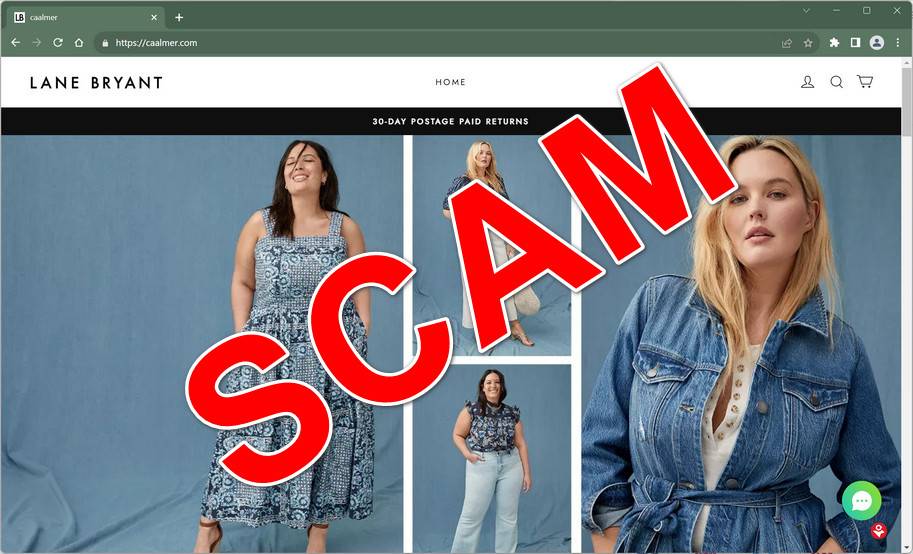
Overview of the Counterfeit Lane Bryant Website Scam
In recent years, sophisticated fake Lane Bryant websites have emerged to prey on bargain hunters. These scam sites specifically target shoppers seeking major savings on the brand’s plus-size dresses, tops, jeans, lingerie and more.
They lure customers in by advertising up to 90% off typical Lane Bryant prices on trendy clothes in sizes 10-32. However, those who place orders through these scam websites unfortunately discover they’ve been duped in one of the following ways:
- Receive nothing after payment processes
- Obtain poor-quality knockoff items
- Get clearly used, damaged or tampered goods
- Are shipped something entirely different than ordered
In addition to selling sham products or nothing, these fraudulent sites also harvest users’ personal and financial data during checkout for criminal misuse. The rise of these fake Lane Bryant websites threatens to fleece trusting shoppers. But gaining awareness of their deceptive tactics is key to staying protected.
How the Fake Lane Bryant Website Scams Operate
The scam artists running these fraudulent Lane Bryant outlets have mastered the art of deception. Here are the manipulative strategies they employ:
- Mirror official Lane Bryant site design – Use identical logos, product photos and visual elements to appear legit.
- Claim special access to deals – Assert they obtained clearance merchandise directly from the brand at blowout prices.
- Offer unbelievable discounts – Advertise up to 90% off coveted plus-size items that seem too good to be true.
- Create false urgency – Use countdown timers and limited availability claims to pressure shoppers.
- Enable quick checkout – Require no account signup and breeze shoppers through checkout.
- Quietly steal customer data – Collect personal and payment info during checkout to misuse or sell.
- Never fulfill orders – Take payment but nothing ships, despite fake confirmation emails sent.
This deliberate process allows scammers to maximize ill-gotten profits from duped shoppers seeking Lane Bryant deals. But spotting their tricks early on can prevent you from being victimized.
5 Red Flags to Identify Fake Lane Bryant Websites
While the scam sites have become quite advanced, key signals can still expose them:
- Prices too good to be true – Discounts over 50% off retail are highly suspicious.
- Generic product images – Low quality or stolen stock photos rather than unique product shots indicates fraud.
- Grammatical errors – Bad spelling, grammar and typos often reveal overseas scam operators.
- No physical address – Check for a U.S. corporate address and contact info.
- No working customer service – Reputable brands always provide telephone or chat support.
Safely Shopping Lane Bryant Online
Use these tips when deal hunting to avoid fake Lane Bryant scams:
- Only use LaneBryant.com – Stick to the one official site and avoid any variations.
- Research unfamiliar sites – Thoroughly investigate any unknown Lane Bryant deal pages before providing info.
- Verify site reviews – Scam sites won’t have legitimate feedback on TrustPilot, BBB and elsewhere from real shoppers.
- Avoid site ads – Many scam links are promoted through ads on social media and search engines; don’t click them.
- Beware pressure to act fast – Claims of expiring deals or limited supply prey on fear of missing out.
- Pay with credit card – Credit cards provide stronger fraud protections compared to debit cards.
Steps if Scammed by a Fake Lane Bryant Website
If you placed an order through a counterfeit Lane Bryant site, immediately take these actions:
- Contact your bank – Alert your credit card provider to dispute the charges as fraudulent.
- Put fraud alert – Call a credit bureau to implement a 90-day fraud alert on your credit file.
- Change passwords – Update any compromised passwords to new unique and complex passphrases.
- Monitor statements – Watch closely for additional unauthorized charges.
- Report the scam – File detailed complaints with the FTC, FBI, BBB and IC3.
- Leave reviews – Post about your experience on consumer sites to prevent others from being victimized.
The Bottom Line on Avoiding Fake Lane Bryant Websites
Seeking trendy plus-size fashion discounts from Lane Bryant can yield real savings. But consumers must stay vigilant against increasingly sophisticated scam websites ready to trick deal-seeking shoppers. By implementing secure habits and using these tips, you can obtain the real Lane Bryant deals you want without compromising personal or financial data. When an online offer appears too good to be true, it almost always is.
FAQs About Fake Lane Bryant Shopping Websites
Are the scam sites selling counterfeit Lane Bryant products?
Most likely not. In most cases, victims receive nothing or random cheap items unrelated to the brand. Don’t expect real Lane Bryant merchandise.
Can I tell if a Lane Bryant site is fake just from the URL?
Not reliably. Scammers create convincing fake URLs. Check for missing HTTPS, recent domain creation, and other red flags instead.
What’s the best way to totally avoid these Lane Bryant scams?
Simply stick to the one real website LaneBryant.com and don’t use any variations with extra words like “outlet” or “sale”. Scammers want you finding their sites via search engines.
Can my credit card reverse the charges if I report being scammed?
Yes, if you contact your credit card company quickly to report the fraudulent charges, they should be able to reverse the payments and refund your money. Provide details.
Can Lane Bryant pursue legal action against the fake websites?
Lane Bryant can file lawsuits and complaints against infringing sites misusing their brand illegally. But because most operate overseas, they are challenging to prosecute.








