

Lenovo PowerDVD 10 is a multimedia player software that comes pre-installed on many Lenovo laptops and desktops. It is designed to enhance the media playback experience by providing advanced features and compatibility with various audio and video formats. However, some users may question whether they should remove this software from their devices. In this article, we will explore what Lenovo PowerDVD 10 is, its features, potential drawbacks, and whether it is necessary to remove it.
What is Lenovo PowerDVD 10?
Lenovo PowerDVD 10 is a media player software developed by CyberLink specifically for Lenovo devices. It is a feature-rich application that allows users to play DVDs, Blu-ray discs, and various multimedia files. PowerDVD 10 offers a range of advanced features, including support for high-definition video playback, 3D content, and Dolby audio technologies.
With PowerDVD 10, users can enjoy a cinematic experience on their Lenovo devices. The software provides smooth playback, enhanced image quality, and immersive audio effects. It also offers additional features such as video upscaling, TrueTheater enhancements, and support for streaming content from online platforms.
Features of Lenovo PowerDVD 10
Lenovo PowerDVD 10 comes with a wide range of features that enhance the multimedia playback experience. Some of the notable features include:
- High-definition video playback: PowerDVD 10 supports playback of high-definition videos, allowing users to enjoy crystal-clear visuals.
- 3D playback: The software is capable of playing 3D content, providing an immersive viewing experience when used with compatible displays and glasses.
- Dolby audio support: PowerDVD 10 supports various Dolby audio technologies, delivering rich and immersive sound quality.
- TrueTheater enhancements: The TrueTheater technology in PowerDVD 10 enhances the video and audio quality, improving color, lighting, and sound effects.
- Media streaming: Users can stream content from popular online platforms such as YouTube, Vimeo, and Netflix directly through PowerDVD 10.
- Video upscaling: PowerDVD 10 can upscale standard-definition videos to near high-definition quality, enhancing the viewing experience.
Should I Remove Lenovo PowerDVD 10?
While Lenovo PowerDVD 10 offers a range of features and enhancements, there are a few factors to consider when deciding whether to remove it from your device:
1. Personal Preferences
Some users may prefer using alternative media players or streaming services that offer a more streamlined and personalized experience. If you rarely use PowerDVD 10 and find other software or services more suitable for your needs, you may consider removing it.
2. Disk Space
PowerDVD 10 occupies a certain amount of disk space on your device. If you are running low on storage or want to free up space for other applications or files, removing PowerDVD 10 can help optimize your device’s storage capacity.
3. Performance Impact
While PowerDVD 10 is generally well-optimized, it may consume system resources, especially when playing high-definition or 3D content. If you notice a significant impact on your device’s performance or experience any slowdowns, removing PowerDVD 10 might be worth considering.
4. Security Concerns
As with any software, there is a potential for security vulnerabilities. Although PowerDVD 10 is not known for major security issues, removing it can eliminate any potential risks associated with the software.
How to Remove Lenovo PowerDVD 10
If you have decided to remove Lenovo PowerDVD 10 from your device, there are a few methods you can use:
1. Uninstall via Control Panel
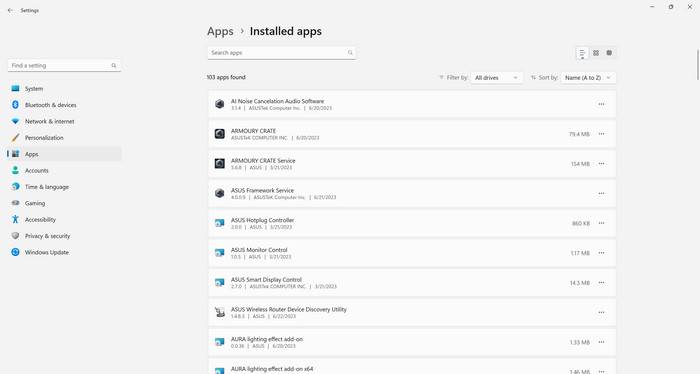
The most straightforward method is to uninstall PowerDVD 10 through the Control Panel on your Windows device. Here’s how:
- Open the Control Panel by searching for it in the Windows search bar.
- Click on “Uninstall a program” or “Programs and Features” (depending on your Windows version).
- Locate Lenovo PowerDVD 10 in the list of installed programs.
- Right-click on PowerDVD 10 and select “Uninstall” or “Remove”.
- Follow the on-screen instructions to complete the uninstallation process.
2. Use Uninstall Tools
If you encounter any issues during the uninstallation process or want to ensure a thorough removal, you can use uninstallation tools such as Revo Uninstaller Free. These tools can help remove any leftover files or registry entries associated with PowerDVD 10, ensuring a clean uninstallation.
Conclusion
Lenovo PowerDVD 10 is a feature-rich media player software that offers advanced playback capabilities and enhancements. Whether you should remove it from your device depends on your personal preferences, available disk space, performance impact, and security concerns. If you rarely use PowerDVD 10, need to free up disk space, experience performance issues, or have security concerns, removing it might be a viable option.
When uninstalling PowerDVD 10, you can use the Control Panel or uninstallation tools like Revo Uninstaller Free to ensure a thorough removal. Ultimately, the decision to remove Lenovo PowerDVD 10 should be based on your specific needs and requirements for media playback on your Lenovo device.

Join the discussion
0 commentsShare your experience or ask a question about this article.
Discussion
Start the conversation
Have a question or something useful to share? Add the first comment.