

Lenovo Solution Center is a software application developed by Lenovo, a leading technology company known for its laptops, desktops, and other electronic devices. The purpose of Lenovo Solution Center is to provide users with a comprehensive suite of tools and utilities to diagnose, troubleshoot, and optimize their Lenovo devices.
What Does Lenovo Solution Center Offer?
Lenovo Solution Center offers a range of features and functionalities that can be beneficial for Lenovo device users. Some of the key features include:
- System Health Check: Lenovo Solution Center performs a comprehensive scan of your device to identify any potential issues or problems. It checks the hardware, software, and overall system health to ensure optimal performance.
- Hardware Scan: This feature allows users to run diagnostic tests on various hardware components such as the processor, memory, hard drive, and graphics card. It helps identify any hardware-related issues and provides recommendations for resolution.
- Software Updates: Lenovo Solution Center keeps track of the latest software updates for your device and notifies you when updates are available. It ensures that your device is running on the latest software versions, which can improve security and performance.
- Device Performance Optimization: The software provides optimization tools to enhance the performance of your Lenovo device. It includes features like disk cleanup, defragmentation, and startup optimization to speed up your device.
- Security and Antivirus: Lenovo Solution Center includes security features to protect your device from malware and other threats. It provides real-time scanning, firewall management, and secure browsing options.
Should I Remove Lenovo Solution Center?
While Lenovo Solution Center offers several useful features, there are a few factors to consider before deciding whether to keep or remove it from your device.
1. Device Performance:
If you have a relatively new Lenovo device and haven’t experienced any performance issues, you may not need Lenovo Solution Center. The software can consume system resources, especially during scans and updates, which may impact the overall performance of your device. However, if you frequently encounter performance issues or want to optimize your device, Lenovo Solution Center can be beneficial.
2. Alternative Tools:
There are alternative tools available in the market that offer similar functionalities to Lenovo Solution Center. One such tool is Revo Uninstaller Free, which provides a comprehensive set of features to uninstall applications, clean up system junk files, and optimize device performance. If you prefer using a different tool or already have a preferred optimization suite, you may consider removing Lenovo Solution Center.
3. Personal Preference:
Some users prefer to have a centralized solution for managing their Lenovo devices, and Lenovo Solution Center provides a convenient platform for that. If you find value in having a single application to monitor system health, perform diagnostics, and manage updates, you may choose to keep Lenovo Solution Center.
How to Remove Lenovo Solution Center?
If you have decided to remove Lenovo Solution Center from your device, there are a few methods you can use:
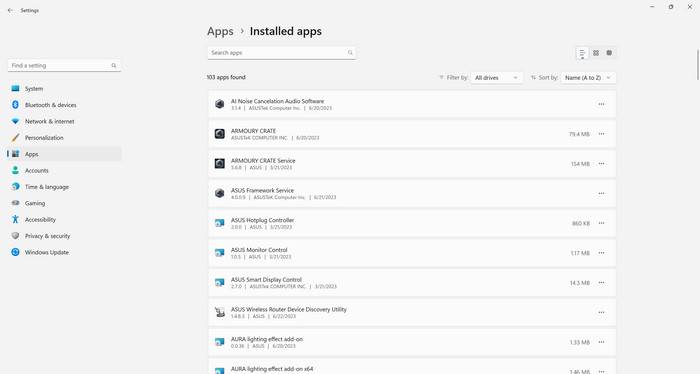
1. Uninstall via Control Panel:
- Open the Control Panel on your Windows device.
- Select “Programs” or “Programs and Features.”
- Locate “Lenovo Solution Center” in the list of installed programs.
- Right-click on it and select “Uninstall” or “Remove.”
- Follow the on-screen instructions to complete the uninstallation process.
2. Use a Third-Party Uninstaller:
If you encounter any issues during the uninstallation process or want to ensure a thorough removal of Lenovo Solution Center, you can use a third-party uninstaller tool like Revo Uninstaller Free. These tools provide advanced scanning and removal capabilities, ensuring that all associated files and registry entries are deleted.
Conclusion
Lenovo Solution Center is a comprehensive software application that offers a range of tools and utilities to diagnose, troubleshoot, and optimize Lenovo devices. Whether you should remove it or not depends on factors such as device performance, alternative tools, and personal preference.
If you have a new device and don’t experience performance issues, you may consider removing Lenovo Solution Center to free up system resources. Alternatively, if you prefer using a different optimization suite or already have a preferred tool, you can remove Lenovo Solution Center.
Remember, if you decide to remove Lenovo Solution Center, you can use the Control Panel uninstallation method or a third-party uninstaller tool like Revo Uninstaller Free for a thorough removal.
Ultimately, the choice to keep or remove Lenovo Solution Center depends on your specific needs and preferences. Evaluate the features and functionalities it offers, consider alternative tools, and make an informed decision based on what works best for you and your Lenovo device.

Join the discussion
0 commentsShare your experience or ask a question about this article.
Discussion
Start the conversation
Have a question or something useful to share? Add the first comment.