

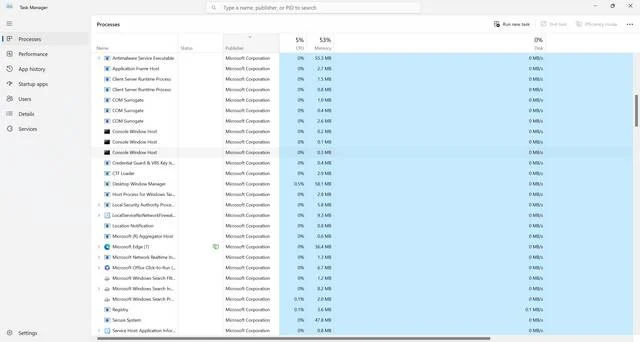
When you open the Task Manager on your Windows computer, you may notice a process called “Lenovo Quick Optimizer” running in the background. This process might raise some questions and concerns, especially if you are not familiar with it. In this article, we will explore what the Lenovo Quick Optimizer process is, why it is running in Task Manager, and whether it is something you should be worried about.
Understanding Lenovo Quick Optimizer
Lenovo Quick Optimizer is a legitimate process that is part of Lenovo’s software suite. It is designed to optimize the performance of Lenovo computers by cleaning up unnecessary files, fixing registry errors, and managing startup programs. The process runs in the background and periodically performs these optimization tasks to ensure that your computer runs smoothly.
Lenovo Quick Optimizer is typically installed on Lenovo computers as part of the pre-installed software package. It is meant to enhance the user experience by maintaining the system’s performance and stability. However, it is important to note that not all Lenovo computers come with this software, and its presence may vary depending on the model and configuration.
Why Is Lenovo Quick Optimizer Running in Task Manager?
Lenovo Quick Optimizer runs in Task Manager to ensure that it can perform its optimization tasks in the background without interrupting your workflow. By running as a background process, it can monitor the system’s performance and initiate optimization tasks when necessary.
When you see Lenovo Quick Optimizer running in Task Manager, it indicates that the software is actively working to maintain your computer’s performance. It is not a cause for concern unless you notice any unusual behavior or performance issues on your system.
Should You Be Worried?
In most cases, there is no need to worry about Lenovo Quick Optimizer running in Task Manager. It is a legitimate process that is designed to improve your computer’s performance. However, if you have concerns about the software or suspect that it may be causing issues on your system, it is always a good idea to investigate further.
If you notice any of the following signs, it may be worth looking into the Lenovo Quick Optimizer process:
- Excessive CPU or disk usage by the process
- Unusual system slowdowns or freezes
- Error messages related to the software
If you experience any of these issues, it is recommended to run a scan with a reputable antivirus or anti-malware software. One such software is Malwarebytes Free, which can help detect and remove any potential threats or unwanted programs.
How to Manage Lenovo Quick Optimizer
If you want to manage or disable Lenovo Quick Optimizer, you have a few options:
- Open the Lenovo Vantage software, which is often pre-installed on Lenovo computers, and navigate to the “Hardware Settings” or “System” section. From there, you can find options to customize or disable the Quick Optimizer feature.
- Access the Windows Task Scheduler by searching for it in the Start menu. Look for any scheduled tasks related to Lenovo Quick Optimizer and modify or disable them according to your preferences.
- If you prefer not to use the Lenovo Quick Optimizer software at all, you can uninstall it from your computer. Open the Control Panel, navigate to the “Programs” or “Apps & Features” section, find Lenovo Quick Optimizer in the list of installed programs, and uninstall it.
It is important to note that disabling or uninstalling Lenovo Quick Optimizer may impact the performance optimization features provided by the software. If you choose to disable or remove it, consider using alternative optimization tools or regularly performing manual maintenance tasks to keep your computer running smoothly.
Summary
Lenovo Quick Optimizer is a legitimate process that is part of Lenovo’s software suite. It runs in the background to optimize the performance of Lenovo computers by cleaning up unnecessary files, fixing registry errors, and managing startup programs. Seeing Lenovo Quick Optimizer running in Task Manager is normal and indicates that the software is actively working to maintain your computer’s performance.
If you have concerns about the software or notice any unusual behavior on your system, it is recommended to investigate further and run a scan with a reputable antivirus or anti-malware software like Malwarebytes Free. You can manage or disable Lenovo Quick Optimizer through the Lenovo Vantage software, Windows Task Scheduler, or by uninstalling it from your computer.
Remember, maintaining your computer’s performance is essential for a smooth user experience, and understanding the processes running in Task Manager can help you identify any potential issues or optimize your system effectively.

Join the discussion
0 commentsShare your experience or ask a question about this article.
Discussion
Start the conversation
Have a question or something useful to share? Add the first comment.