

Lenovo YouCam is a popular webcam software developed by CyberLink specifically for Lenovo laptops and desktops. It offers a wide range of features and functionalities that enhance the user’s webcam experience. However, like any pre-installed software, some users may question whether they should remove it or keep it on their devices. In this article, we will explore what Lenovo YouCam is, its key features, potential drawbacks, and provide insights to help you make an informed decision.
What is Lenovo YouCam?
Lenovo YouCam is a webcam software that comes pre-installed on many Lenovo laptops and desktops. It is designed to enhance the user’s webcam experience by providing various features and effects. With Lenovo YouCam, users can capture photos and videos, apply real-time filters and effects, create avatars, and even use augmented reality (AR) features.
Lenovo YouCam offers a user-friendly interface that allows users to easily access and utilize its features. It supports both the built-in webcams on Lenovo devices as well as external webcams connected to the computer. The software is compatible with Windows operating systems and is regularly updated to ensure compatibility with the latest hardware and software.
Key Features of Lenovo YouCam
Lenovo YouCam offers a wide range of features that enhance the webcam experience for users. Some of the key features include:
- Real-time filters and effects: Users can apply various filters and effects to their webcam feed in real-time, allowing for creative and fun video chats or recordings.
- Photo and video capture: Lenovo YouCam allows users to capture photos and record videos using their webcam. It provides options for adjusting resolution, aspect ratio, and other settings.
- Augmented reality (AR) effects: Users can add virtual objects, animations, and effects to their webcam feed, creating an interactive and immersive experience.
- Face recognition: Lenovo YouCam includes face recognition technology that can detect and track faces in the webcam feed. This feature enables users to apply effects and filters specifically to their faces.
- Avatar creation: Users can create personalized avatars using Lenovo YouCam. These avatars can mimic facial expressions and movements, adding a fun and unique element to video chats.
Should I Remove Lenovo YouCam?
Whether you should remove Lenovo YouCam from your device depends on your personal preferences and usage. Here are some factors to consider:
1. Usage:
If you frequently use your webcam for video chats, online meetings, or content creation, Lenovo YouCam can be a valuable tool. Its features and effects can enhance your webcam experience and make it more enjoyable for both you and your audience. However, if you rarely use your webcam or prefer a more basic webcam experience, you may not find Lenovo YouCam necessary.
2. Performance:
Some users have reported that Lenovo YouCam can consume system resources and impact the overall performance of their devices. If you notice a significant slowdown or experience performance issues while using Lenovo YouCam, you may consider removing it to improve your device’s performance.
3. Privacy and Security:
As with any software that accesses your webcam, privacy and security are important considerations. While Lenovo YouCam is developed by a reputable company, it is always recommended to stay vigilant and ensure that your webcam and personal information are secure. Regularly updating the software and keeping your device’s security measures up to date can help mitigate potential risks.
4. Alternative Software:
If you decide to remove Lenovo YouCam, there are alternative webcam software options available. One popular choice is CyberLink’s YouCam, which offers similar features and functionalities. Additionally, there are other third-party webcam software options that you can explore based on your specific needs and preferences.
How to Remove Lenovo YouCam?
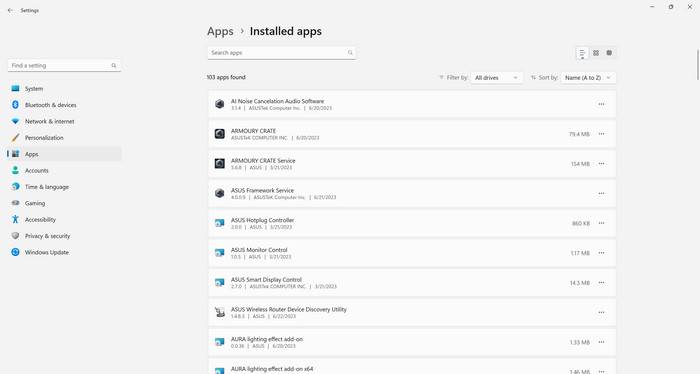
If you have decided to remove Lenovo YouCam from your device, you can do so using the following steps:
- Open the Control Panel on your Windows device.
- Select “Uninstall a program” or “Programs and Features.”
- Locate Lenovo YouCam in the list of installed programs.
- Right-click on Lenovo YouCam and select “Uninstall” or “Remove.”
- Follow the on-screen instructions to complete the uninstallation process.
Alternatively, you can use a third-party uninstaller tool like Revo Uninstaller Free to ensure a thorough removal of Lenovo YouCam and its associated files.
Conclusion
Lenovo YouCam is a webcam software that offers a range of features and effects to enhance the webcam experience for Lenovo users. Whether you should remove it or not depends on your personal preferences, usage, and device performance. If you frequently use your webcam and enjoy the additional features provided by Lenovo YouCam, it can be a valuable tool. However, if you rarely use your webcam or experience performance issues, removing Lenovo YouCam may improve your device’s performance. Remember to consider privacy and security aspects and explore alternative software options if you decide to remove Lenovo YouCam. Ultimately, the decision to keep or remove Lenovo YouCam should be based on your individual needs and preferences.

Join the discussion
0 commentsShare your experience or ask a question about this article.
Discussion
Start the conversation
Have a question or something useful to share? Add the first comment.