

Lipo Drops Max has recently gained attention as a liquid weight loss supplement claiming to help users shed pounds quickly, boost metabolism, and burn fat effortlessly—just a few drops a day, and you’re on your way to a leaner body. But can a supplement really deliver such results without diet or exercise? Or is it simply another overhyped product built on marketing buzzwords?
After a thorough review of its claims, ingredients, and online presence, here’s a deeper look into whether Lipo Drops lives up to the hype—or if it’s just another supplement you should be cautious about.
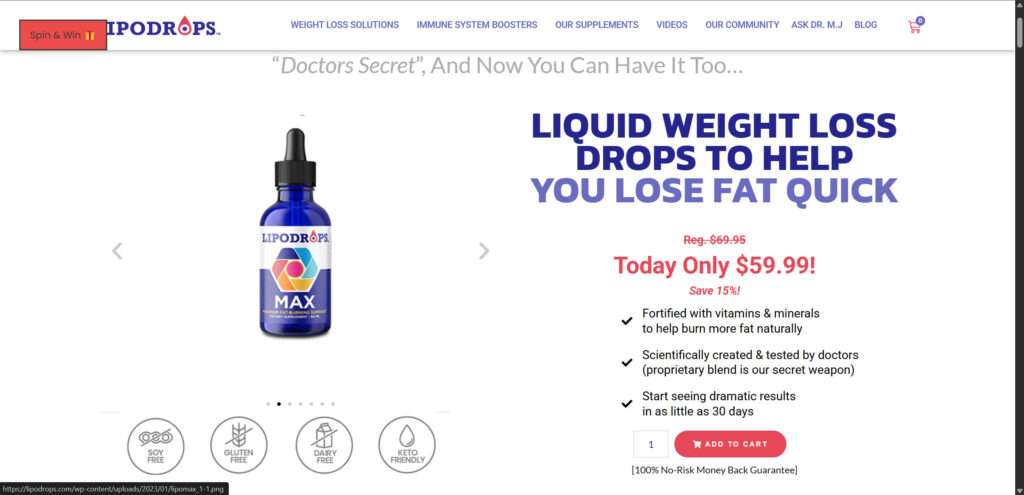
What Are Lipo Drops?
Lipo Drops is marketed as a fast-acting liquid supplement formulated with ingredients like L-Carnitine, Vitamin B12, and Choline. The product’s primary selling points include:
- Fast weight loss
- Appetite suppression
- Metabolism enhancement
- No side effects
- Compatibility with other medications
- Dramatic results within 30 days
These promises paint a very attractive picture—but they also raise some serious questions.
Ingredient Breakdown: Do They Really Work?
Let’s examine the key ingredients and whether they support the bold claims made by Lipo Drops.
L-Carnitine
L-Carnitine is an amino acid derivative involved in energy production. It helps transport fatty acids into cells to be used for energy. While it plays a role in fat metabolism, research shows it only benefits those with a deficiency, such as older adults or people with specific medical conditions. For the average person, supplementing with L-Carnitine is unlikely to result in noticeable weight loss.
Vitamin B12
Vitamin B12 helps convert food into energy and supports brain and nerve function. However, unless you have a B12 deficiency—which can cause fatigue—extra supplementation won’t necessarily boost your metabolism or burn fat. Most healthy individuals get enough B12 from their diet.
Choline
Choline supports liver function and plays a role in metabolism. While it is an important nutrient, the idea that choline supplementation alone will result in fat loss lacks strong scientific backing.
Verdict on Ingredients
The ingredients in Lipo Drops are not harmful, and they may benefit certain individuals with deficiencies. But they are not revolutionary or unique to this product—and they certainly do not guarantee dramatic fat loss results.
Marketing Red Flags to Watch Out For
Despite the simple ingredient list, Lipo Drops makes some major marketing claims that deserve scrutiny.
“Lose Your Weight, One Drop at a Time”
This phrase gives the impression that weight loss can be easy, effortless, and automatic. It’s misleading and oversimplifies the reality that sustainable weight loss requires long-term dietary and lifestyle changes.
“No Side Effects”
No supplement—regardless of its ingredients—can responsibly claim to be 100% side-effect free. Even natural vitamins can cause unwanted interactions, especially if you’re on medication. The blanket statement of “safe with any medication” is not only misleading but potentially dangerous.
“Dramatic Results in 30 Days”
Quick fixes in the weight loss industry almost always come with a catch. Health professionals agree that healthy weight loss is typically 1–2 pounds per week. Any product promising extreme results in a month should raise suspicion.
“Scientifically Created and Tested by Doctors”
This phrase adds an aura of legitimacy, but Lipo Drops does not provide clinical studies, peer-reviewed evidence, or even clear information on the manufacturing process. No documentation of FDA approval, GMP certification, or third-party testing is available on their website.
Lack of Transparent Online Presence
Perhaps the most concerning aspect of Lipo Drops is the limited and suspicious online presence.
- No reviews on Trustpilot or Reddit: These platforms are known for hosting honest, unfiltered user reviews. The absence of feedback raises questions about the product’s reach and authenticity.
- Questionable Facebook feedback: Multiple users on Facebook have reported issues such as not receiving their order, poor customer service, and non-functioning contact information. These are serious concerns for anyone considering a purchase.
Final Verdict: Is Lipo Drops a Scam?
Calling Lipo Drops an outright scam may be too harsh—there is a possibility the product helps some people, especially those with vitamin deficiencies. However, the way it is marketed is irresponsible and misleading.
Here are the key takeaways:
- Overhyped Claims: The supplement over-promises and under-delivers. Weight loss is complex, and no single liquid supplement will replace proper nutrition and physical activity.
- Lack of Evidence: No clinical trials, peer-reviewed studies, or official certifications are provided to support their claims.
- Poor Transparency: The absence of reliable customer reviews and the presence of unresolved complaints suggest caution.
Should You Try Lipo Drops?
If you’re looking for a genuine way to lose weight, Lipo Drops is not the silver bullet it claims to be. You’d be better served focusing on a well-balanced diet, regular exercise, and possibly consulting a healthcare provider or registered dietitian before taking any supplement.
Fast weight loss is tempting, but shortcuts rarely lead to long-term success. Real progress takes consistency—not drops from a bottle.
Before spending your money, ask yourself this: If lasting weight loss really came in a few drops, wouldn’t everyone be using them already?

Reviews & discussion
0 commentsShare a firsthand experience, or ask a question.
Community reviews
Lipo Drops
Moderated reader experiences, not an editorial verdict.
Start the conversation
Have a question or something useful to share? Add the first comment.