

The Local Session Manager (LSM) process is an essential component of the Windows operating system that plays a crucial role in managing user sessions and ensuring the stability and security of the system. If you have ever opened the Task Manager on your Windows computer, you might have noticed the “Local Session Manager” process running in the background. In this article, we will explore what the Local Session Manager process is, why it is running in Task Manager, and its significance in the Windows environment.
Understanding the Local Session Manager Process
The Local Session Manager (LSM) process, also known as “lsm.exe,” is a critical system process that runs in the background on Windows operating systems. It is responsible for managing user sessions, including the creation, deletion, and maintenance of user sessions. The LSM process is an integral part of the Windows subsystem and is essential for the proper functioning of the operating system.
When a user logs into a Windows computer, the Local Session Manager process creates a session for that user. This session allows the user to interact with the operating system and run applications. The LSM process ensures that each user session is isolated from other sessions, providing a secure and stable environment for users.
Why Is the Local Session Manager Process Running in Task Manager?
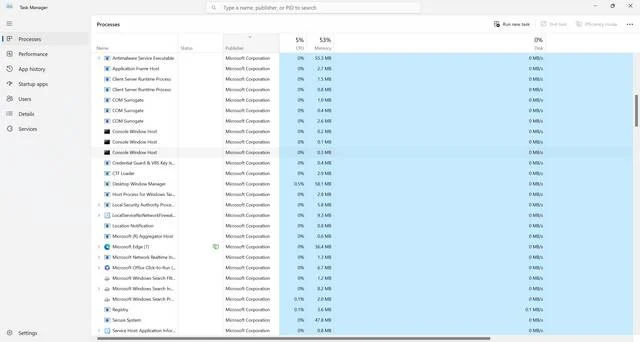
Seeing the Local Session Manager process running in Task Manager is completely normal and expected. It is a system process that runs in the background to manage user sessions and maintain the stability of the operating system. The presence of the LSM process in Task Manager indicates that the Windows subsystem is functioning correctly.
However, it is worth noting that the Local Session Manager process should not consume excessive system resources or cause any performance issues. If you notice unusually high CPU or memory usage by the LSM process, it could be an indication of a problem or malware infection. In such cases, it is recommended to scan your system for viruses or malware using a reliable security software like Malwarebytes Free.
Significance of the Local Session Manager Process
The Local Session Manager process plays a crucial role in maintaining the stability and security of the Windows operating system. Here are some key reasons why the LSM process is significant:
1. User Session Management
The LSM process is responsible for managing user sessions on a Windows computer. It creates, deletes, and maintains user sessions, allowing users to interact with the operating system and run applications. Each user session is isolated from others, ensuring privacy and security.
2. System Integrity
The LSM process helps maintain the integrity of the Windows subsystem. It ensures that user sessions are properly managed and isolated, preventing unauthorized access or interference between sessions. This helps protect the system from potential security threats and ensures the overall stability of the operating system.
3. Service Control Manager Interaction
The LSM process interacts with the Service Control Manager (SCM) to start and stop services on the system. It plays a crucial role in managing the lifecycle of services and ensuring their proper functioning. The LSM process communicates with the SCM to initiate service operations and maintain the overall system stability.
4. Session Notifications
The LSM process also handles session notifications, such as user logon and logoff events. It notifies other system components and applications about session changes, allowing them to respond accordingly. This enables applications to save user data, update settings, or perform specific actions based on session events.
Conclusion
The Local Session Manager (LSM) process is a critical component of the Windows operating system that manages user sessions and ensures the stability and security of the system. It is normal to see the LSM process running in Task Manager, indicating that the Windows subsystem is functioning correctly. However, if you notice unusually high resource usage by the LSM process, it is advisable to scan your system for viruses or malware using a reliable security software like Malwarebytes Free. Understanding the significance of the LSM process helps users appreciate its role in maintaining a secure and stable Windows environment.

Join the discussion
0 commentsShare your experience or ask a question about this article.
Discussion
Start the conversation
Have a question or something useful to share? Add the first comment.