

The “Manuka Honey Trick” is being promoted in ads that claim a simple “golden honey recipe” can deliver dramatic health results, from rapid weight loss to memory and blood sugar support.
The product name may change, but the structure is consistent: an urgent video, borrowed credibility from well-known doctors, and a checkout flow that often leads to unexpected charges or unwanted refill subscriptions.
This article breaks down the pattern behind these campaigns, the red flags to watch for, and what to do if you already purchased.
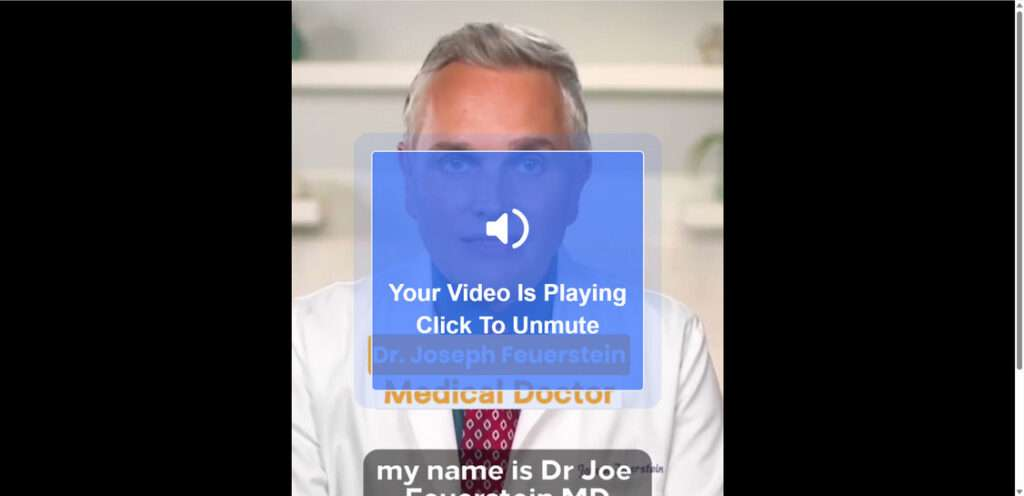
Scam Overview
Manuka honey has a strong reputation. People associate it with “natural healing,” traditional remedies, and premium quality. That reputation makes it a perfect prop for marketers who want a health claim to feel wholesome instead of suspicious.
That is the first psychological move.
If a scam started with “miracle chemical drops,” most people would hesitate.
If it starts with “a simple honey recipe you can make at home,” people lean in.
And the marketing knows it.
The Manuka Honey Trick pitch usually frames the “recipe” as:
- cheap and easy
- hidden or suppressed
- “doctor discovered”
- faster than diet and exercise
- powerful enough to affect major health problems
That last part is where the red flags become impossible to ignore.
This is not one product. It is a reusable sales template
The Manuka Honey Trick scam is rarely tied to one brand.
Instead, it is a campaign format that can sell almost any supplement category, including:
- “natural” weight loss drops or gummies
- memory and dementia support pills
- “blood support” or circulation supplements
- diabetes or blood sugar support drops
- male enhancement gummies or capsules
The product name changes constantly.
The script stays almost identical.
That is because the real product is not the bottle.
The real product is the funnel.
A funnel that converts well can be cloned quickly:
- new domain
- new label design
- new “doctor” narration
- same hook, same pressure, same checkout
That is why you keep seeing different names attached to the same honey story.
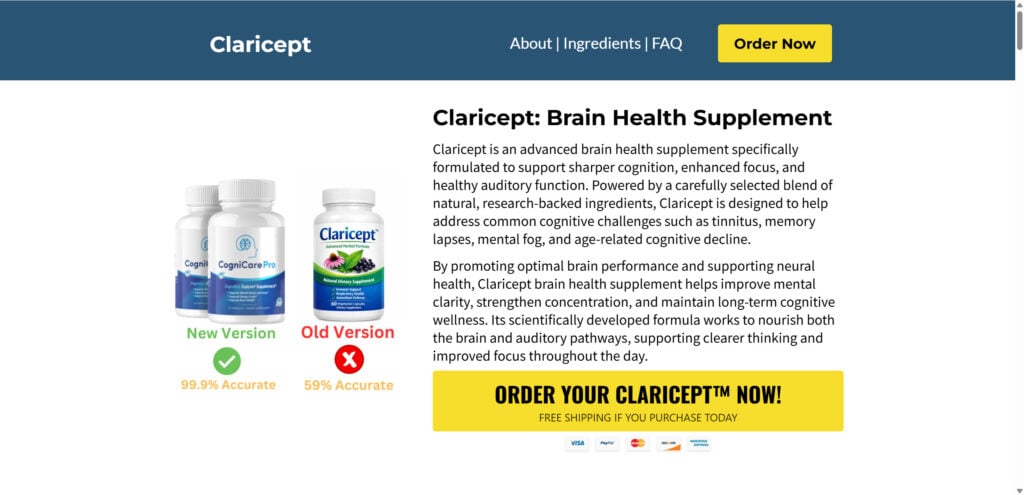
The “golden honey recipe” is usually bait
In a legitimate health article, a recipe would be presented clearly:
- exact ingredients
- amounts and measurements
- preparation steps
- realistic outcomes
- safety notes and limitations
In scam-style funnels, the recipe is teased but rarely delivered in a practical way.
Instead, the page does things like:
- forces you into a long video
- delays the “recipe reveal” repeatedly
- offers vague instructions that are not usable
- claims the recipe is only effective when paired with the supplement
That is the bait-and-switch.
The recipe is the bait.
The supplement is the sale.
Fake credibility is the engine that makes people trust it
To move someone from curiosity to purchase, these funnels use credibility theater.
Credibility theater means the page looks authoritative without offering verifiable proof.
Common credibility costumes include:
- fake news-style layouts
- “as seen on” media logos
- references to Harvard, Johns Hopkins, Mayo Clinic, or “top researchers”
- stock images of doctors in white coats
- scientific diagrams with no citations
- “FDA” and “lab tested” badges placed near the buy button
This matters because the audience is not just buying a product.
They are buying reassurance.
The page is designed to make you feel like you are watching a trusted report, not an ad.
AI-generated endorsement videos make the scam feel more real
The newest wave of these campaigns often uses AI-generated or manipulated videos.
They are built to look like:
- a real TV clip
- a health segment
- a “doctor reveal”
- an interview that seems authentic
Sometimes they use recognizable figures, including Dr. Oz or Dr. Ben Carson, to create instant authority.
This tactic is so common that the Federal Trade Commission has warned directly about fake celebrity endorsements, including doctored video and audio that can seem real. (Consumer Advice)
A key point here is simple:
A convincing video is not proof.
A familiar face is not validation.
It can be a performance built to sell.
The claims are exaggerated because big promises convert better
The Manuka Honey Trick pitch frequently claims outcomes that are not realistic.
You might see language like:
- “rapid weight loss”
- “metabolism reset”
- “erase type 2 diabetes”
- “rebuild your brain”
- “reverse memory decline”
- “clean your blood vessels”
- “restore male performance fast”
These are the kinds of claims the FTC explicitly warns consumers about in weight loss advertising, including promises of results without lifestyle change and miracle-like outcomes. (Consumer Advice)
The funnel tends to frame the viewer as someone who has been misled by the system.
Then it offers a “secret” that feels like a breakthrough.
That emotional setup is not accidental.
It is conversion psychology.
Why scammers love “natural” language
The word “natural” lowers resistance.
It makes people think:
- it must be gentle
- it must be safe
- it must be less risky than medication
But “natural” is a marketing word, not a safety guarantee.
In the weight loss supplement category, the FDA warns that many products claiming to help with weight loss are likely contaminated with dangerous hidden ingredients and that these products are often falsely advertised as dietary supplements or all-natural treatments shared through social media.
That warning is important even if the Manuka Honey Trick is selling something outside weight loss.
Because the same funnel operators often rotate through categories.
When one niche slows down, they pivot to another.
The “FDA registered facility” claim is often used to mislead
Many scam funnels use manufacturing language as a trust shortcut:
- “FDA registered facility”
- “GMP certified”
- “manufactured in the USA”
- “state-of-the-art lab”
Even when a facility claim is technically true, it does not prove:
- the product works
- the marketing claims are accurate
- the ingredients are present in meaningful amounts
- the product is safe for everyone
This is one reason the FDA repeatedly warns consumers to avoid products with hidden ingredients marketed as supplements for weight loss, sexual enhancement, and other categories.
The badge stack is designed to make the buyer feel protected.
But the protections are often not real.
The checkout and billing behavior is where many victims get burned
A lot of people only realize something is wrong after they pay.
Common complaint patterns include:
- being charged for more bottles than they selected
- “free bottle” language that still increases totals
- upsells that look like required confirmation screens
- hidden continuity terms
- unwanted refill subscriptions
- merchant descriptors that do not match the product name
The funnel is designed to move fast.
It counts on the fact that people do not carefully read fine print, especially on mobile.
This is why the “returns are impossible” experience is so common.
The operation is built for friction.
It is easy to buy.
It is hard to undo.
Why the same trick keeps resurfacing
The Manuka Honey Trick is not a one-time story.
It is a format.
When the ads get flagged or complaints build up, operators can:
- change the domain
- change the product name
- swap the video
- relaunch the same pitch
If you feel like you have seen the exact same “secret recipe” story before, that is a good instinct.
You probably have.
The only thing that changed is the label.
How The Scam Works
Below is the typical step-by-step structure behind the Manuka Honey Trick campaigns.
Once you understand the sequence, you can spot it quickly even when the product name, video, and story details change.
Step 1: The scroll-stopping ad triggers emotion, not logic
Most people first see the Manuka Honey Trick through paid ads.
The ad is designed to hook you with one of these emotions:
- hope for a shortcut
- fear about health decline
- frustration from failed solutions
- embarrassment, especially in male enhancement funnels
- anxiety about aging and memory
- worry about blood sugar or blood pressure
The ad usually includes urgency phrases like:
- “watch before they take it down”
- “urgent discovery”
- “do this tonight”
- “doctors are stunned”
That urgency is not there to help you.
It is there to stop you from researching.
Step 2: The click lands on a fake report page
After the click, you are often taken to an advertorial.
This is a sales page disguised as an article or news report.
Common signs include:
- a logo that resembles a real outlet
- a byline that is hard to verify
- a date stamp to seem current
- “breaking news” language
- a big embedded video with “tap to listen” overlays
This stage is designed to create trust before skepticism arrives.
Step 3: The “$12 honey recipe” is teased, then delayed
The page hints that the solution is a simple honey-based trick.
But instead of delivering a clear recipe, it does one of the following:
- forces you to watch a long video
- repeats the promise without giving steps
- stretches the story with dramatic “context”
- claims you must “understand the science first”
This delay is intentional.
It keeps you engaged.
It also increases commitment.
Once you have invested time, you are more likely to keep going.
Step 4: An AI-generated “doctor” segment builds authority fast
Now the funnel switches from curiosity to belief.
This is where the video often presents:
- a doctor-like narrator
- medical jargon simplified into dramatic claims
- body diagrams and “pathway” explanations
- a villain narrative about the system hiding the truth
In some versions, the content appears to feature famous doctors or public figures through manipulated or AI-generated video.
The FTC has warned that scammers use fake celebrity endorsements with doctored audio and video to generate profits, and it encourages people to pause before trusting what looks like an endorsement.
This matters because the video is doing emotional work.
It is trying to replace your skepticism with certainty.
Step 5: The story reframes your problem into a single “root cause”
The script often claims your issue has one hidden cause, such as:
- a blocked metabolic switch
- hidden inflammation
- “toxins”
- a biofilm
- a rare deficiency
- an “unknown” sabotage factor
Then it implies the honey trick targets this cause directly.
This framing is persuasive because it makes complex problems feel simple.
And when something feels simple, it feels solvable.
Step 6: The recipe becomes symbolic, and the product becomes the “real solution”
This is the pivot.
Instead of providing a clear home method, the funnel says:
- the honey trick “points to” the solution
- the real solution is “concentrated”
- the supplement contains the key compounds
- the product is the missing piece
Now the page introduces the bottle.
Weight loss drops.
Memory capsules.
Blood support gummies.
Male enhancement pills.
Different labels, same move.
The recipe is no longer the main thing.
The product is.
Step 7: Credibility badges and fake proof get layered in
Once the product appears, the page stacks trust signals, such as:
- “clinically proven”
- “doctor recommended”
- “FDA registered”
- “lab tested”
- “GMP certified”
- “manufactured in the USA”
This is designed to quiet the doubt that appears right before a purchase.
But in high-fraud categories like weight loss and sexual enhancement, the FDA warns consumers that products marketed as supplements can contain hidden drug ingredients and pose serious risks.
So badges should not be treated as evidence.
Step 8: Pressure tactics are turned up to prevent research
This is where the funnel gets aggressive.
You may see:
- countdown timers
- “limited stock” warnings
- “today only” discounts
- popups showing recent purchases
- “people watching” counters
The goal is to create one feeling:
If you do not buy right now, you lose your chance.
That feeling is the opposite of how a real health decision should be made.
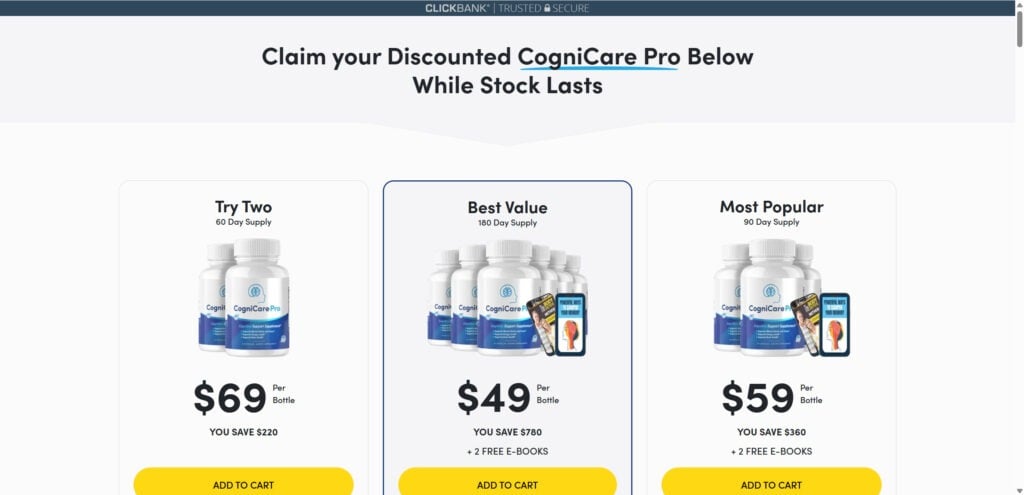
Step 9: Bundle pricing pushes bigger spend
The offer usually comes in tiers:
- 1 bottle at a high price
- 3 bottles “recommended”
- 6 bottles “best value”
The pricing structure is designed to make the smallest option feel like a bad decision.
It also increases the chance that victims lose more money before they realize the product is not what it was framed to be.
Step 10: Checkout traps and fine print create billing surprises
This is where the biggest harm often occurs.
Common tactics include:
- pre-selected quantities
- upsells that look like confirmation screens
- add-ons automatically included
- fine print that introduces continuity billing
- vague merchant names on statements
This is how people end up with:
- more bottles than they ordered
- repeated charges
- unwanted refill subscriptions
Many victims only discover the subscription after the next charge hits.
Step 11: Refund and return friction is built into the system
Once the money is collected, the experience often becomes slow and frustrating.
Common patterns include:
- email-only support
- delayed replies
- unclear return addresses
- shifting policies
- partial refunds offered instead of cancellation
- long timelines that wear people down
This is why people describe returns as “impossible.”
The friction is part of the model.
Step 12: When heat rises, the campaign resets under a new name
If ads get flagged or complaints spread, the operators can disappear and reappear quickly.
New domain.
New product name.
Same honey trick narrative.
Same urgency.
Same checkout behavior.
Once you learn the pattern, you stop getting distracted by the name on the bottle.
What To Do If You Have Fallen Victim to This Scam
If you clicked, ordered, or were charged after a Manuka Honey Trick ad, here is a calm, practical checklist.
- Save evidence immediately
Screenshot the ad, the landing page, the checkout totals, and any terms you can still access. Save confirmation emails and receipts. - Check your statement for extra charges
Look for multiple charges, unexpected shipping fees, or a total higher than you remember seeing at checkout. - Watch for subscription or refill billing
Search your confirmation email for words like autoship, membership, monthly, continuity, or next shipment. Monitor your statement for at least 60 days. - Email the seller to cancel and document it
Send a short message with your name, order number, and a direct request: cancel any subscription and do not charge me again. Ask for written confirmation. - Contact your bank or card issuer quickly if billing looks wrong
Ask about disputing the charge, blocking future charges from the merchant, and whether a card replacement is recommended if repeat billing occurs. - Do not rely on a sales video for medical decisions
If the funnel pushed medical-sounding claims, do not change medications or treatment plans based on it. If you have symptoms, get advice from a qualified clinician. - Stop using the product if you feel unwell
Supplements can cause side effects and interactions. If you feel unwell, stop and seek medical guidance, especially if you take prescription medications. - Report the ad where you saw it
Report it on Facebook, Instagram, YouTube, TikTok, or the ad network that served it. Include notes about fake celebrity endorsements and deceptive claims. - Report deceptive endorsement scams
The FTC specifically warns about fake celebrity endorsements using doctored audio and video. Reporting helps establish patterns. - Tighten your account security
If you reused passwords or shared personal details, change passwords on key accounts and enable 2-factor authentication on your email.
The Bottom Line
The Manuka Honey Trick scam is not a harmless recipe trend.
It is often a polished, high-pressure supplement funnel that uses a “golden honey recipe” hook, AI-generated endorsement-style videos, and credibility theater to rush people into expensive purchases.
The product name may change across weight loss, memory, blood support, or male enhancement niches.
The pattern stays the same: urgent hook, delayed “secret,” supplement reveal, bundle pressure, confusing checkout, and refund friction.
If you already bought, focus on protection now. Save evidence, watch for unwanted subscriptions, cancel in writing, and involve your bank early if billing looks deceptive.
FAQ
What is the Manuka Honey Trick scam?
It is a recurring ad funnel that teases a “golden honey recipe” or Manuka honey “trick,” then pivots into selling an overpriced supplement using urgency, fake authority, and misleading claims.
Is Manuka honey itself a proven cure for weight loss, memory loss, diabetes, or ED?
No. Manuka honey is a food product. Ads that imply it can rapidly “reset” metabolism or fix serious medical issues are using marketing hype, not reliable evidence.
Are the Dr. Oz or Dr. Ben Carson videos real endorsements?
Often not. Many campaigns use AI-generated or manipulated videos, or implied endorsements, to borrow trust. If you cannot verify the endorsement outside the sales page, assume it is deceptive.
Why do these pages say “watch before they take it down”?
That is a pressure tactic designed to stop you from researching and push you into a quick purchase.
What are the biggest red flags?
Fake news-style pages, “as seen on” logos without proof, dramatic medical claims, countdown timers, “people watching” counters, and promises of fast results for everyone.
Why do people end up with more bottles than they ordered?
Checkout flows may use pre-selected quantities, bundle nudges, and upsells that look like required steps. Some buyers miss the final total on mobile.
How do unwanted refill subscriptions happen?
Continuity terms are often placed in fine print or confusing screens. The first order can quietly enroll the buyer in monthly shipments or recurring billing.
What should I do if I see a second charge or a higher total than expected?
Save screenshots and receipts, email the seller to cancel in writing, and contact your card issuer to dispute unauthorized charges and block future billing if needed.
Are “FDA registered facility” and “GMP certified” badges proof the supplement works?
No. These are often used as credibility theater. They do not prove the product is effective, and they do not validate the dramatic claims made in the ads.
Where can I report these scams?
Report the ad on the platform where you saw it (Facebook, Instagram, TikTok, YouTube), and consider reporting deceptive endorsements and billing practices to consumer protection agencies.

Join the discussion
0 commentsShare your experience or ask a question about this article.
Discussion
Start the conversation
Have a question or something useful to share? Add the first comment.