

You may have seen the flashy ads while scrolling through Facebook, Instagram, or YouTube. They claim a “marine salt trick” (sometimes called a “pink salt trick”) can melt fat overnight by eliminating a so-called “metabolic parasite” in your gut. The product behind these claims? Often it’s something like BurnPeak.
The videos are dramatic, the testimonials convincing, and the promises sound life-changing. But here’s the truth: the Marine Salt Trick is not a scientific breakthrough. It’s part of a deceptive marketing strategy designed to sell overpriced supplements with little to no proven benefits.
This article uncovers the full story behind the Marine Salt Trick scam — how it works, why it spreads so easily, and what you should do if you’ve already been targeted.

Why the Marine Salt Trick Is So Convincing
The Marine Salt Trick scam combines fake science, emotional manipulation, and aggressive marketing tactics. It’s built to exploit vulnerable consumers looking for an easy health solution.
The Big Claim
The ads promise that sprinkling a special marine salt into your morning routine will:
- Melt away stubborn belly fat
- Target a hidden “parasite” in your gut
- Reset your metabolism naturally
- Work without diet or exercise
None of these claims have legitimate scientific backing.
The “Metabolic Parasite” Lie
The core hook of the scam is the mention of a so-called “metabolic parasite.” According to the ads, this parasite lives in your digestive system and prevents weight loss. By using the “marine salt trick,” they claim you can flush it out.
Medical experts confirm that no such parasite exists. The phrase is pure marketing jargon, created to scare viewers and make the supplement appear necessary.
Fake Science and Buzzwords
The videos are full of pseudoscientific terms:
- “Cellular metabolism reset”
- “Thermogenic fat burning”
- “Parasite detox”
- “Hormonal balancing”
These phrases sound impressive but lack context, studies, or medical references.
The Role of BurnPeak
BurnPeak (or similarly branded supplements) is often the product being sold behind the Marine Salt Trick ads. It’s marketed as an all-natural formula made from minerals, plant extracts, and antioxidants. But a deeper look reveals:
- No peer-reviewed clinical trials supporting its effectiveness
- Overpriced bottles compared to generic supplements
- Hidden auto-ship subscriptions that charge customers monthly
Emotional Storytelling
The scam relies on emotional narratives. A “doctor” or “specialist” — often a fictional character with a professional-sounding name — tells the story of how he or she discovered the trick while treating a patient or helping a family member. Viewers are drawn in emotionally before the sales pitch begins.

Psychological Triggers Used in Ads
- Authority Bias – Featuring fake doctors or scientists.
- Fear Tactics – Warning of hidden parasites destroying health.
- Urgency – Limited-time offers or “only 12 bottles left.”
- Hope Marketing – Selling the dream of effortless weight loss.
Why It Spreads Fast
Social media algorithms prioritize engagement. Because these ads are dramatic and emotional, they get more clicks and shares, allowing scammers to reach millions of viewers before platforms take them down.
How the Marine Salt Trick Scam Works: Step by Step
Step 1: The Viral Ad
It begins with a video ad disguised as a health documentary. You’ll see phrases like:
- “CNN reports a shocking discovery”
- “Doctors stunned by new weight loss breakthrough”
- “A Harvard study reveals the secret to belly fat”
Logos from trusted institutions are used without permission to trick viewers into believing the content is legitimate.
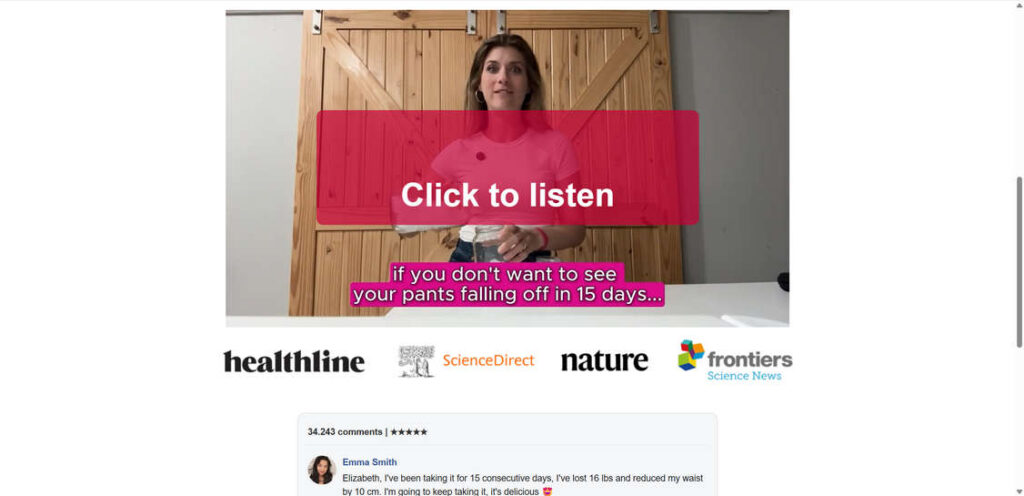
Step 2: The Long Video Funnel
Clicking the ad takes you to a landing page with a long-form video. This video:
- Runs 30 to 60 minutes
- Features a narrator explaining the “parasite” theory
- Uses stock footage of labs, doctors, and patients
- Teases the “marine salt trick” but never fully explains it until the end
The length is intentional — the longer you watch, the more emotionally invested you become.
Step 3: The “Expert” Introduction
The video introduces a supposed expert, often “Dr. Todd Greenwell” or a similar fabricated character. He explains how he discovered the trick while helping his wife, patient, or colleague.
No credentials are ever verifiable. These experts don’t exist in any medical directories.
Step 4: The Secret Ingredient Reveal
About halfway through, the “marine salt trick” is revealed. But instead of a simple kitchen ingredient, you’re told that the real results come only from their proprietary formula — usually BurnPeak or a rebranded version of it.
Step 5: Scarcity and Urgency
As you approach checkout, the page shows:
- Countdown timers (“offer expires in 10 minutes”)
- Stock warnings (“only 8 bottles left”)
- Discounts for bulk purchases (“buy 3, get 2 free”)
These are psychological pressure tactics to force immediate decisions.
Step 6: The Checkout Trap
The supplement is priced between $59 and $79 per bottle — much higher than generic alternatives. Customers are often automatically enrolled in monthly subscriptions without clear disclosure.
Step 7: Post-Purchase Issues
Victims report:
- Difficulty canceling subscriptions
- Customer service lines that don’t respond
- Refund policies not honored
- Additional charges appearing on credit cards
Step 8: Data Harvesting
Your contact and payment details may be sold to third-party marketers. Victims often receive more scam offers, fake refund attempts, or phishing emails.
What to Do if You’ve Fallen Victim to the Marine Salt Trick Scam
- Stop Further Charges
- Contact your bank or credit card company immediately.
- Ask for a chargeback, citing deceptive marketing.
- Cancel Subscriptions
- Look for recurring billing authorizations and cancel them.
- Ask your bank to block further charges from the merchant.
- Report the Scam
- FTC: reportfraud.ftc.gov
- Better Business Bureau: bbb.org
- Your state Attorney General’s office
- Document Everything
- Save receipts, screenshots, and emails.
- This can help with disputes and investigations.
- Protect Your Identity
- Monitor your credit report for unusual activity.
- Consider placing a fraud alert with major credit bureaus.
- Warn Others
- Share your experience online to prevent more victims.
- Report scam ads on social media platforms.
- Avoid Refund Scams
- Be cautious of emails offering to help you get your money back for a fee.
- Many scammers run “double-dip” operations targeting victims again.
FAQ: Marine Salt Trick Scam
What is the Marine Salt Trick scam?
The Marine Salt Trick scam is a deceptive marketing tactic used to sell overpriced supplements like BurnPeak. Ads claim that adding a special type of marine or pink salt to your coffee or morning routine will eliminate a so-called “metabolic parasite” in your gut and trigger rapid fat loss. In reality, no scientific evidence supports these claims. The scam relies on long-form sales videos, fake experts, and emotional stories to lure consumers into buying.
Does the Marine Salt Trick actually work?
No, there is no credible scientific proof that a marine salt trick can melt fat or remove parasites. While minerals and salts play roles in hydration and general health, they cannot eliminate “metabolic parasites” or reset your metabolism overnight. These claims are fabricated to sell supplements under the guise of natural health solutions.
What products are usually sold through Marine Salt Trick ads?
The most common product tied to this scam is BurnPeak, though the brand name changes frequently to avoid detection. Other similar products may be marketed as detox powders, fat-burning capsules, or salt-based formulas. Regardless of the label, the underlying sales pitch is the same — promising effortless fat loss through a simple daily trick.
What is the “metabolic parasite” mentioned in the ads?
The “metabolic parasite” is a made-up term created by marketers. It has no basis in medical science. Legitimate health experts and medical journals confirm that no such parasite exists in the human body. The term is used purely as a scare tactic to convince viewers that they need the product to stay healthy.
Why are the Marine Salt Trick ads so convincing?
These ads combine several psychological tricks:
- Fake authority: actors posing as doctors or scientists
- Emotional stories: dramatic testimonials about life-changing results
- Scientific jargon: using complex-sounding terms without context
- Urgency pressure: countdown timers, “limited stock” alerts, or discounts that expire in minutes
- Familiar branding: misuse of logos from CNN, Harvard, or other institutions to appear credible
Is BurnPeak or the Marine Salt Trick safe?
There is no guarantee of safety. Many of these supplements are not FDA-approved and may contain undisclosed ingredients. Even if some components (like B vitamins or turmeric) are safe on their own, the doses, purity, and sourcing of ingredients are questionable. Furthermore, the real danger often lies in financial fraud — hidden subscriptions, unauthorized charges, and identity theft.
How do I know if I’ve seen a Marine Salt Trick scam ad?
Look for these red flags:
- Claims of “miracle” fat loss without diet or exercise
- References to a “parasite” or hidden gut invader
- Long videos that never reveal the full details until the end
- A product with vague ingredients and high prices ($59–$79 per bottle)
- Bulk deals and subscription traps at checkout
- No verifiable contact information for the company
What should I do if I purchased BurnPeak or a Marine Salt Trick product?
If you’ve already made a purchase:
- Contact your bank or card provider — request a chargeback.
- Cancel subscriptions — check for hidden recurring billing.
- Report the scam — file a complaint with the FTC or BBB.
- Monitor your accounts — watch for unauthorized charges.
- Warn others — share your experience online to prevent further victims.
Why do these scams keep coming back under new names?
Scammers know that once a product name is exposed online, it loses credibility. To keep the money flowing, they simply rename the supplement, repackage the same formula, and launch a new set of ads. This recycling process makes it difficult for consumers to spot the scam — unless they recognize the underlying tactics.
How can I protect myself from scams like the Marine Salt Trick?
To avoid falling victim:
- Be skeptical of miracle cures advertised online
- Research the product name plus “scam” before buying
- Verify whether endorsements from doctors or institutions are real
- Avoid products sold only through long video pitches and hidden checkout pages
- Consult a licensed healthcare provider before trying any supplement
The Bottom Line
The Marine Salt Trick is not a breakthrough weight loss solution — it’s a cleverly packaged scam. Products like BurnPeak are marketed using fear, false science, and fake authority to convince people they’ve found a miracle cure.
The truth is simple: there is no parasite in your gut stopping you from losing weight, and no salt trick will melt fat overnight. Real health results come from balanced nutrition, consistent exercise, and evidence-based medical care.
Stay skeptical of miracle claims, verify sources, and remember — if something sounds too good to be true, it almost always is.

Join the discussion
0 commentsShare your experience or ask a question about this article.
Discussion
Start the conversation
Have a question or something useful to share? Add the first comment.