


The car turns up on Facebook Marketplace. The seller sends you to another website to arrange payment and delivery.
That move matters, especially if the next instruction is to wire the full price.
Overview
The $20,000 went out before the buyer saw the vehicle
A family reported that a car listing on Facebook Marketplace led the buyer to a separate vehicle sales site. The contact supplied wire instructions, and the buyer sent $20,000.
The seller said the car was being prepared for delivery, according to the family. When the vehicle did not arrive, the seller stopped responding and blocked the buyer.
The family said it contacted the sending bank and reported the case to the FTC and the FBI’s Internet Crime Complaint Center. It reported no recovery at that point.
The specific website and payee were named in the original complaint.
Their ownership and relationship were not established in the public account. The article focuses on the payment and delivery deception.
Three records need to point to the same purchase
The FTC’s warning about copied dealership websites describes scammers requesting hard-to-reverse payments for vehicles buyers do not receive. A complete-looking site can be part of the pitch.
The records that matter most come from different places:
- A listing and subsequent chat show how the sale was offered.
- A verified seller or dealer can confirm whether it controls the vehicle.
- An independent inspection can confirm which car exists and where it is.
- A purchase agreement names the seller and states the price and delivery terms.
- A wire receipt shows where the money went, whatever the seller called it.
Checking one record leaves the others unresolved. Match the inspection and seller to the actual vehicle. Match the invoice and payment instructions to the verified business.
A shipping promise can keep you waiting after a wire
The buyer in the reported case kept speaking with the seller while waiting for delivery. A reassuring phone call is easy to get. An independent dispatch confirmation is more useful.
If the seller names a transport company, reach it using its own public contact information and ask whether there is a real booking for the exact vehicle.
If a wire has already gone out and there is no independently verified vehicle or delivery, call the bank.
You do not have to wait for the seller’s next promised date.
How the Scam Works
Step 1: The first listing appears where people already shop
A Marketplace listing may look like a private sale or an advertisement from a dealer.
Keep a copy of what you originally saw, including the date and account that posted it.
Ask whether the person selling it actually owns the car or represents a dealer. Check that relationship before following a link to somebody else’s website.
If the contact keeps sending you away from the platform, save which account did so and where it sent you. Use those records when you report a suspicious listing.
A car can be real while the person advertising it has no authority to sell it. Look for an independent way to see the vehicle and verify the seller.
Step 2: The outside site makes the payment feel more formal
A sales site can show a vehicle description, contact details, and a delivery policy. Verify the business through a source you find yourself.
If somebody claims to be a dealer, ask the verified dealership to confirm the stock number, vehicle identification number, and the person handling the sale.
Check how the verified business takes payments. An impressive website cannot tell you whether the company on the invoice controls the record at the bank.
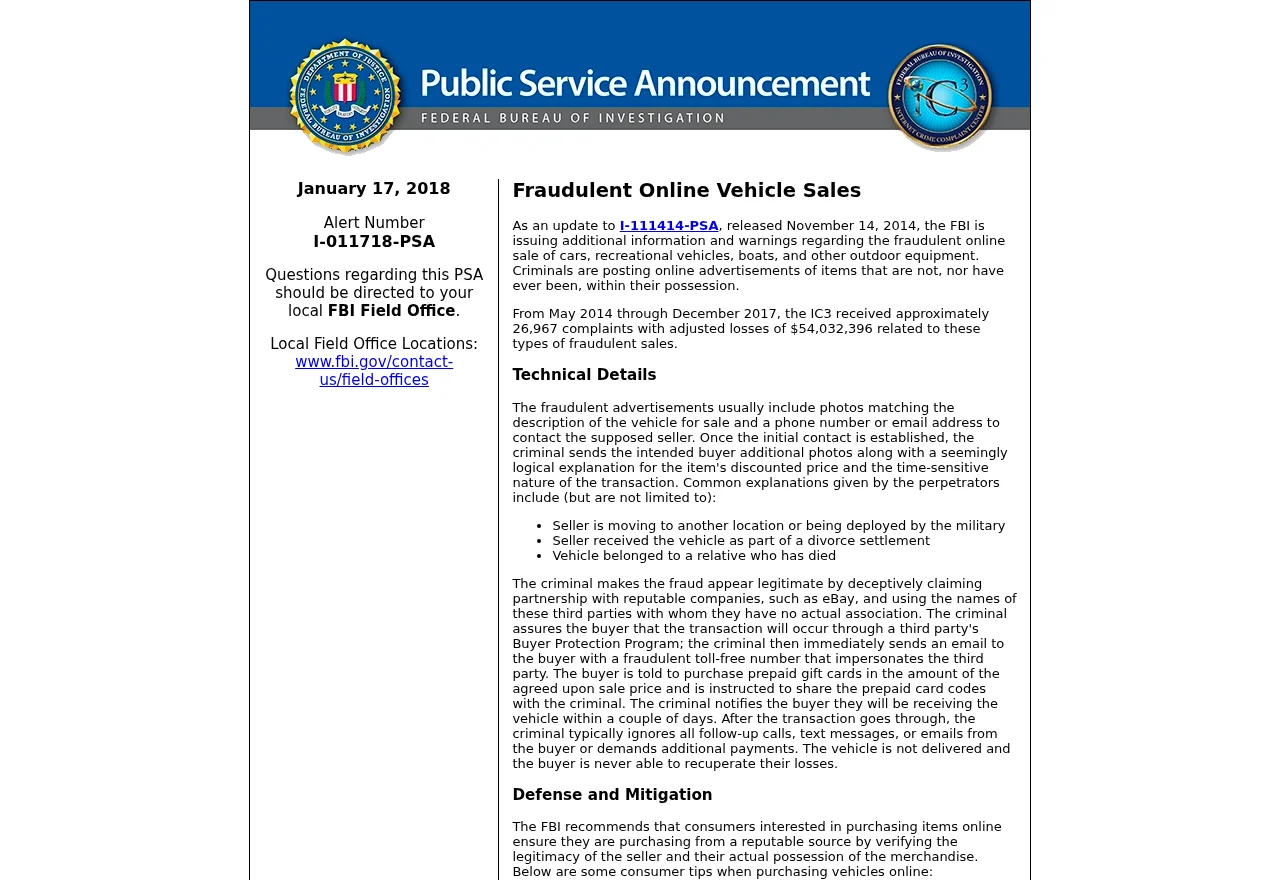
The FBI’s warning on fraudulent vehicle sales documents fake listings and delivery promises. Some cases use payment methods other than wires, but the same independent vehicle checks apply.
Step 3: The buyer wires money
The family said the wire instructions came from the outside sales contact. Once the buyer sent the full amount, that payment had its own reference and recipient details.
Before wiring, compare the seller’s legal name with the person or business named on the payment instructions. Ask the verified seller about any difference through a number you locate independently.
If there is still no verifiable seller, do not send money. Waiting to inspect a car is easier than trying to recover the full amount from an unauthorized seller.
If you already sent the money, save the instructions before the conversation disappears. Keep the exact details privately for the bank. Give the bank the full reason for your report.
Step 4: The vehicle is said to be on the way
The reported seller kept talking to the buyer about preparation and delivery before communication ended. That gave the family another thing to document when reporting.
If the vehicle is supposedly in transit, ask for genuine dispatch information and confirm it outside the seller’s conversation. Note when the supposed delivery was due.
A text or screenshot can repeat the same story as the website. Ask an independently identified transport company whether it actually has the vehicle and can verify the booking.
When you cannot confirm the shipment, report the payment before another deadline passes. Save the seller’s missed commitment. Do not pay a new insurance, storage, or return charge.
What to Tell the Bank When You Authorized the Wire
Say you personally sent the transfer because you believed the seller and vehicle were real. State clearly that you are reporting a fraudulently induced payment.
Ask which team handles wire fraud and whether it can contact the receiving bank. Ask if the wire can be stopped or recalled based on its current status.
Give the bank the reference from your own receipt. If you only have a confirmation email, check that it matches your banking history before forwarding it.
When the bank asks who authorized the wire, answer directly. That question and the question of whether the sale was deceptive are separate parts of the report.
Ask for a case number and write down the response. If the bank says no additional step is available, ask it to identify which option it checked.
Save the sale and payment trail in one place
Keep the original listing, redirected sales page address, invoice, wire instructions, and receipt. Do not delete the chat after the seller blocks you.
If you received a delivery note, save it with the date you got it. Include anything that claimed the vehicle was ready, collected, or on the road.
If you have a VIN, record where you obtained it. The same number might appear in a genuine listing elsewhere.
A match alone cannot identify the operator of the fake listing.
If the bank asks for a statement, give the timeline in order and say which records you verified yourself. Share recipients’ banking information only through private reporting channels.
What an Independent Vehicle Check Looks Like
Start with where the car is physically parked. Ask whether you or an inspector you choose can see the exact vehicle.
Use a location and point of contact you have verified.
If the listing names a dealer, ask its verified office to confirm the salesperson and the stock entry. Do that even if somebody has already sent a professional-looking invoice.
An inspection should match the vehicle’s identification number and the actual car. A genuine photo may show somebody else’s vehicle or an old listing that no longer applies.
Compare the seller listed on any purchase agreement with the person who can transfer the title.
Ask the relevant motor vehicle agency about its own documentation process if anything is unclear.
Get a clear delivery date and a way to verify a transport booking before sending money.
A private contact who will not let you reach the carrier leaves the shipment unverified.
If a verified dealership tells you it has never advertised the vehicle, preserve that answer. Avoid recontacting the outside site for its response while the bank is reviewing a transfer.
If the promised delivery date has passed
Write down the date first promised and each later change. Keep any stated reason the car was delayed.
The bank may need to know how the sale was presented after payment.
Record whether you ever received a VIN, booking number, or shipper name. A missing item in that sequence can help explain why you reported it when you did.
Tell the bank when you realized you were blocked or that the seller was unreachable. Give the original payment date separately so it can locate the funds quickly.
If the claimed shipping company says it has no booking, save that response with the time. If nobody can independently identify a shipping company, say so in the report.
If you booked financing through a real institution, tell it the sale is disputed. Ask how to handle any payment obligations associated with that financing through its official channels.
Why it helps to keep one copy outside Marketplace
A blocked or removed listing may become hard to revisit. Save the visible address and screenshots privately while they are available, along with any confirmation from Facebook.
Keep the bank receipt in a separate file with the amount and wire instructions. You can give investigators the full set without exposing the financial details in a public post.
If the real dealer provides a statement about its inventory, add it next to the photos and purchase agreement.
That helps distinguish what you saw from what could be independently checked.
If a relative handled some of the calls, include the time and which person spoke. Make clear who actually sent the wire and how they can be reached safely.
What to Do if You Have Fallen Victim to This Scam
Call the sending bank right away. Continue verifying the seller through independent sources, but do not wait for those checks if the wire might still be stopped.
-
Report the wire to the bank. Give the date, amount, beneficiary details, and reference. Ask whether it can stop, recall, or trace the payment.
-
Keep the original sale records. Preserve the Marketplace listing, outside site address, messages, invoice, payment instructions, and any delivery information you received.
-
Check the dealer and shipper independently. Ask about the exact vehicle, salesperson, site address, and booking. Keep any confirmation in writing.
-
Report the listing. Use Facebook’s own reporting tools. Include that it redirected you to an outside sale and a request for a wire.
-
File a fraud report. US buyers can use the FBI’s IC3 reporting site and contact local authorities when appropriate. Save the complaint number.
-
Stop further payments. Ignore demands for new fees or a paid recovery service. Check any claimed refund with the bank you already contacted.
The FTC’s wire-transfer advice describes the risks of paying someone you do not know by wire. Keep using the sending institution’s own contact channel.
If you shared identity or financing paperwork, tell the affected providers. A bank fraud report may deal with the wire while identity protection goes through a separate process.
If the seller appears under another account, save the public listing address and report it to Facebook. Avoid arranging another purchase or meeting to confront the seller.
Frequently Asked Questions
Does Facebook cover me if the wire happened somewhere else?
Check the current terms for the actual transaction through Facebook. If you paid away from the platform by wire, start with your sending bank and report the listing separately.
Do not assume the platform can reverse funds it did not process. Give it enough information to identify and review the account and listing.
Can a real dealer have a listing on Facebook Marketplace?
Yes. Call the dealer through contact information you obtained independently. Confirm the salesperson, exact listing, and stock number before sharing payment details.
If the dealer cannot locate the car, ask whether its name or photos are being used without permission. Preserve the outside site details for the report.
Does knowing the car’s VIN prove the seller has it?
No. Use the VIN with the actual inspection and title or inventory records you can verify. A number from a photograph or ad can refer to another sale.
Verify where the vehicle is and who has authority to transfer it. If the seller will not allow an independent check, walk away.
What if the bank says I authorized the wire?
Explain that you did authorize the transaction, but the sale you were paying for was misrepresented. Ask for the team that reviews suspected wire fraud.
Get the outcome and case number in writing if possible. A recall can fail or be unavailable depending on the transaction. Keep the documentation for any later report.
Should I pay a shipping charge if the car is late?
Check the shipment independently first. Use the transport company’s own contact details and ask whether it has the car and what the original terms say.
Do not pay a new fee to someone who cannot show a genuine booking. Save the request and give it to the sending bank or your case contact as appropriate.
Can a fraud report recover the money?
A report gives investigators information. It does not promise recovery. Call your bank promptly and give it the transfer reference and the seller’s payment instructions.
If someone approaches you privately offering to recover it for a fee, use your verified bank and report channels instead.
The Bottom Line
If a Facebook car listing sends you to an outside site for a wire, check the seller and see the exact vehicle before paying.
If the money already went out, tell the sending bank how you were persuaded to authorize it. Save the listing, wire receipt, and delivery messages for the report.

Join the discussion
0 commentsShare your experience or ask a question about this article.
Discussion
Start the conversation
Have a question or something useful to share? Add the first comment.