


Nothing about Memoryhash.cc looks out of place. It has a modern crypto casino’s slick lobby and familiar games, plus a promo code that adds a big bonus at signup.
It’s a generous welcome, right up to the cash-out button. Press it, and Memoryhash.cc finally shows what it was made for.


Overview
Made to look like a crypto casino worth trusting
Memoryhash.cc wants you to see a decentralized gaming platform. So it piles on the details people connect with an actual crypto casino:
- Boasts about being the “#1” platform, without any source for the ranking.
- The usual crypto vocabulary: “blockchain,” “decentralized” and “provably fair.”
- Clean, professional design copied from well-known crypto casinos.
- Crash, Plinko, Mines and slots, all games that feel familiar.
- A big bonus that pops up as soon as you register.
- Constantly moving live feeds showing “recent wins” and “withdrawals.”
It’s built to look busy, modern and well funded on your first visit. Give it the test you’d give any place holding your money, though, and the holes appear.

Stuck at the withdrawal stage
Signing up and playing both feel easy, right until your first withdrawal. That’s when the site asks for a new crypto deposit to “verify” your account.
That deposit is the whole scam. Pay, and a new demand appears. Refuse, and the number on your screen stays exactly the same.
To look legitimate, the demand usually carries an official-sounding label:
- Verification deposit
- Activation fee
- Network fee
- Security deposit
- Wallet validation
Swap the label and nothing really changes. You still have to pay extra before you can reach money you supposedly already have.

Memoryhash.cc is a fake crypto casino. If it asks for a “verification” or “activation” fee to unlock your withdrawal, don’t pay it, and don’t deposit at all.
What Our Investigation Found on Memoryhash.cc
A few details about Memoryhash.cc stand out:
- Memoryhash.cc was registered on November 25, 2026, less than a day ago.
- Memoryhash.cc is built from the same site kit as demomining.cc, rokewex.com, winbetcas.com and zohewin.com, which MalwareTips has already exposed as scams.
How the Memoryhash.cc Scam Works
Sites running this scam share one funnel. Each step draws you nearer to your first withdrawal, and that’s where the real ask begins.
Step 1: The promo code arrives through ads and group chats
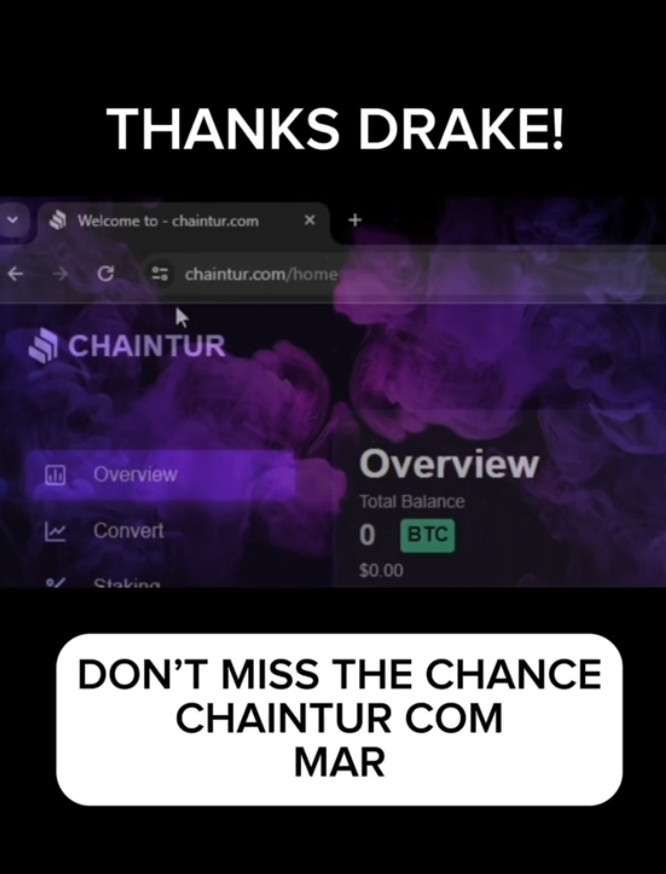
You’ll rarely stumble on sites like Memoryhash.cc through search. They’re pushed via TikTok clips, YouTube ads, Facebook and Instagram posts, or Discord and Telegram group messages.
Expect the same ingredients each time: a promo code, a bonus worth thousands, a “limited time” warning, plus screenshots showing huge balances or payouts.
On these channels, fast beats careful. Each clip lasts seconds, every code looks exclusive, and the comments are stuffed with people claiming they’ve been paid.




Step 2: Signing up takes seconds
You hand over almost nothing to register. No ID check, no proof of address, and often not even a confirmation email.
This speed is deliberate. A short path to the first game leaves less time to look up reviews and warnings about the site.
A wallet connection request is another route some sites take. Turn it down every time. Approving permissions on a site like this just once can let it drain your wallet.
Step 3: Play begins with a bonus balance
Bonuses from the promo code are large, often $2,000 to $10,000. That’s what you start playing with, and it was never really your money.
Early wins are common here. The bigger your balance gets, the more confident you feel, and cashing out starts to seem like a formality.
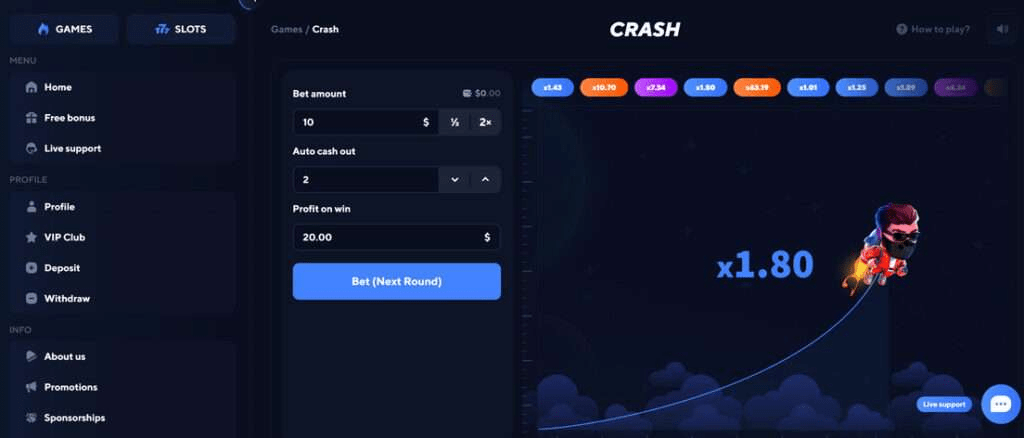
You’ll find Crash, Plinko, Mines, dice and slots, all running smoothly. That polish isn’t evidence of anything. It’s there so you’ll trust that a withdrawal will work.
Step 4: Withdrawing runs into a wall
You ask for a payout, the tone changes, and something else arrives instead: a message about verification, a locked wallet or a minimum deposit, like these:
- “Withdrawals are locked until verification is complete”
- “Minimum deposit required to withdraw”
- “You must verify your wallet before payout”
- “Security check in progress”
None of these messages blocks you outright. They all say the withdrawal works, right after one more step, so your hope stays alive.
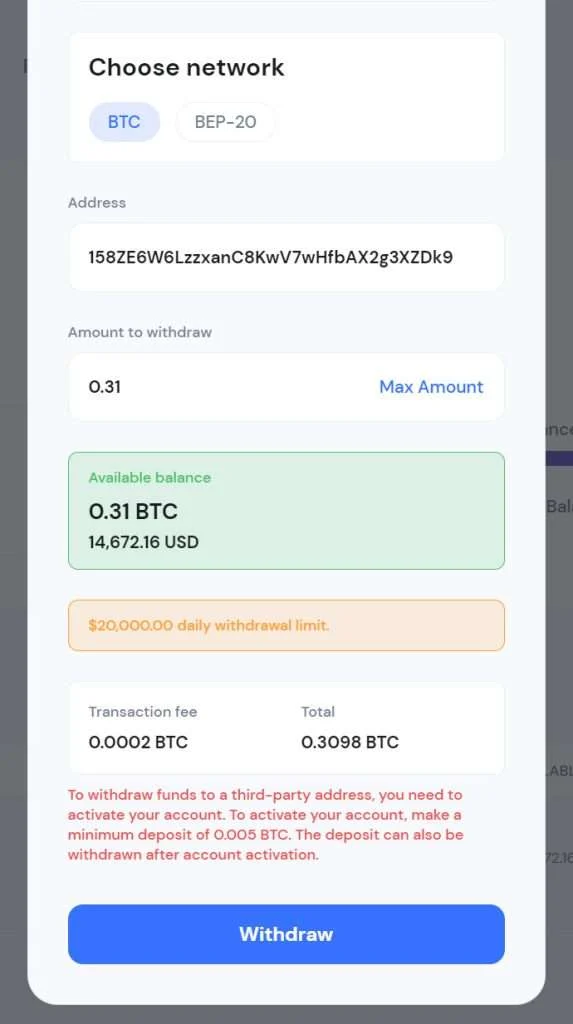
Step 5: Here comes the “verification deposit”
Your money is the target here. The site or its support chat requests a fresh crypto deposit, commonly $100 to $500, saying it will “activate” withdrawals.
Some sites dress the request up with a countdown or a “pending” payout, so paying feels urgent. The payout never reaches you, no matter how much you send.
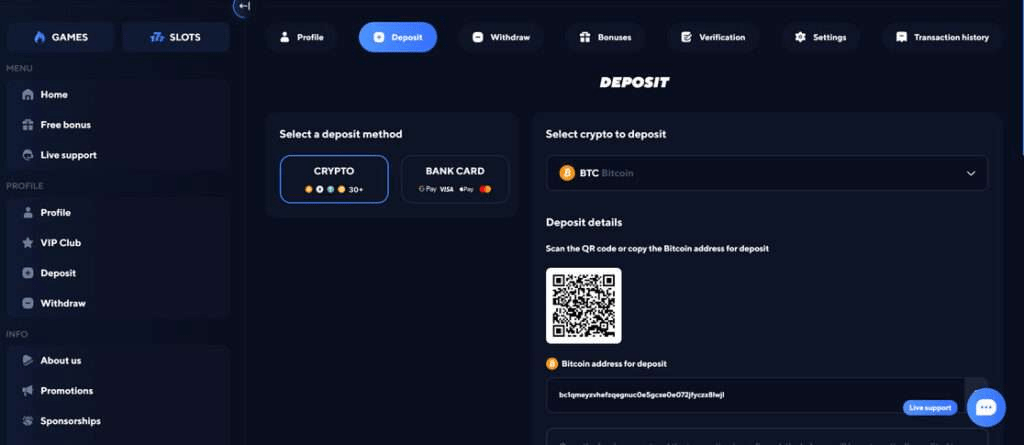
Step 6: Each payment brings a new fee, then nothing
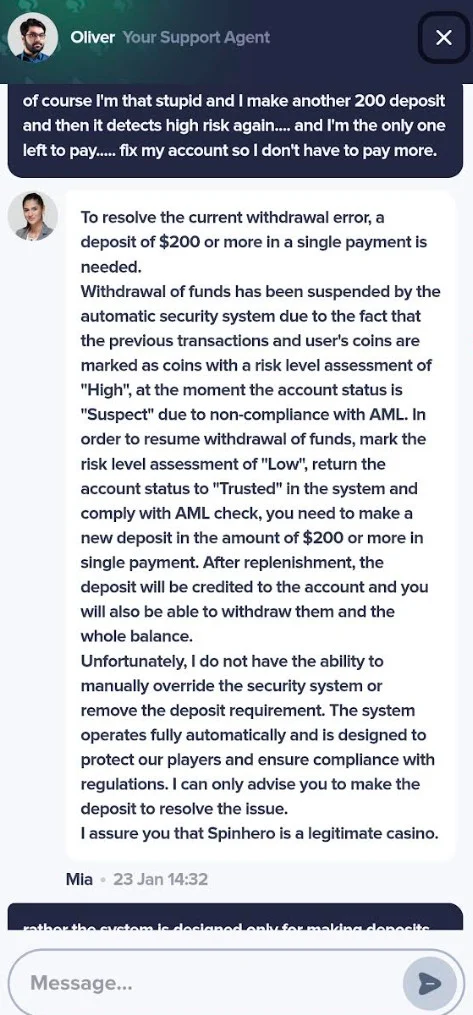
The moment one payment clears, another demand takes its place: a higher verification tier, a VIP upgrade, a tax on your winnings or a bigger deposit.
A lot of replies simply stall: “try again later,” “your withdrawal is pending,” “you chose the wrong network.”
The friendly tone lasts only while the payments do. Stop sending money and the replies come slower, grow vague, then dry up completely.
Red Flags at Memoryhash.cc
Most of these warning signs can surface independently. The first, though, is enough all by itself. Line them up and they point to the crypto casino scam kit behind Memoryhash.cc.
Money in before money out
A new deposit to unlock money you’ve supposedly won is the clearest tell there is. A site that makes this demand has no payout to give.
If there were truly a fee, the site would take it from the money you’re withdrawing. Sending a separate “unlock” payment only makes sense for the scammer.
A giveaway too big to believe
You won’t find a real casino giving away thousands without conditions. Their welcome offers set clear limits and wagering rules, so a no-strings bonus that size is bait.
Try finding the bonus terms. On sites like this, you usually won’t, or you’ll get vague or copied text that never explains how to actually withdraw the bonus.
Numbers that keep moving around the clock
Players online, recent wins and fresh withdrawals scroll by without a break. On sites like this, those feeds are usually scripted animations rather than real activity.
Notice anything familiar after a few reloads? The same usernames and amounts tend to return, a sign the feed is running on a loop, not live data.
Operator, license and dispute route can’t be verified
Real gambling sites aren’t shy about who runs them, who licenses them and where complaints go. Fake casinos like Memoryhash.cc usually leave all three blank or invent them.
Don’t take a license claim at face value. Check the number against the regulator’s register, and treat the site as unlicensed if there’s no number or it doesn’t match.
Open sign-up, locked cash-out
Joining takes seconds with no checks at all. Then you try to cash out, and suddenly there’s “verification.” That flip is the trap.
Compare that with a legitimate casino: it checks your documents at sign-up or before your first payout, and verification never costs you a crypto payment.
Support that turns every question into a deposit request
A direct question about your withdrawal gets an answer about paying. That’s backward: real support explains a delay and doesn’t demand another payment to sort it out.
Crypto is the only way to pay
There’s a reason sites like this won’t take anything but crypto deposits: those payments are almost impossible to reverse.
Same Scam Playbook, Different Domains
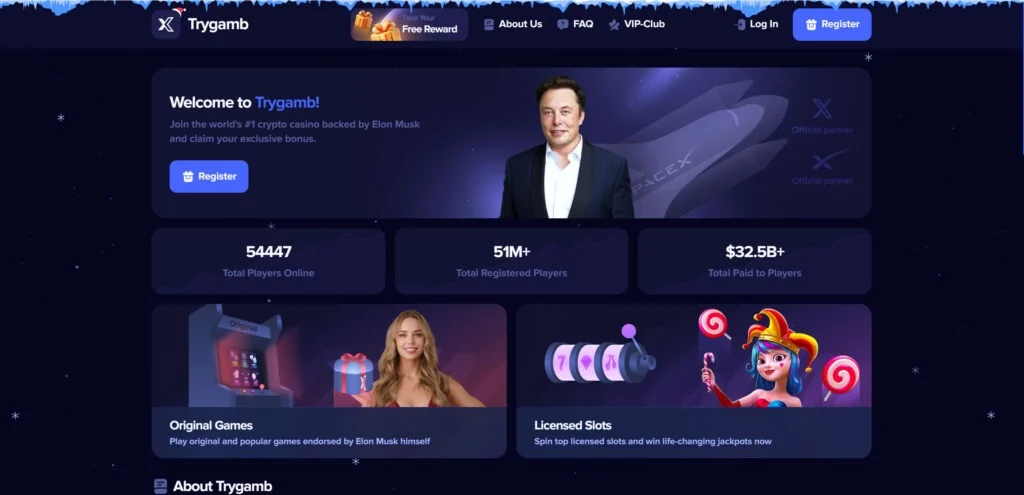
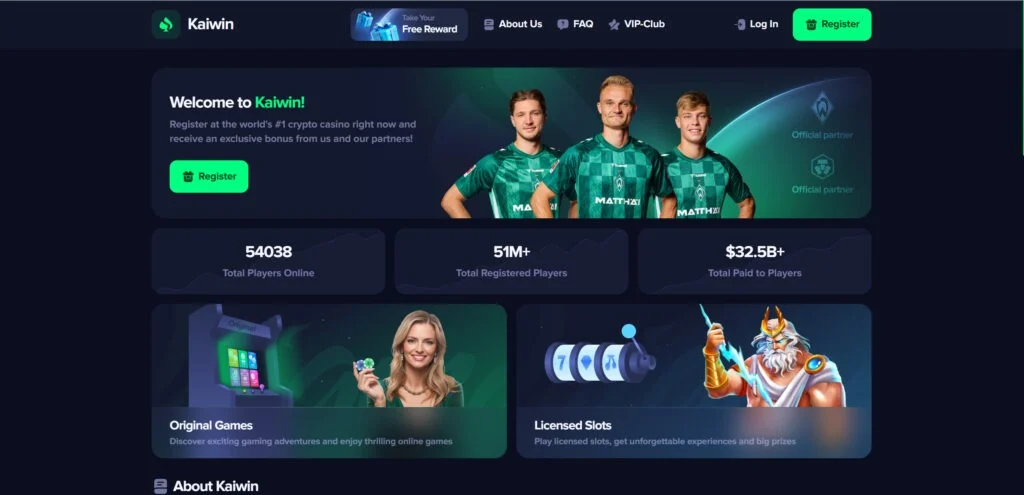
There’s nothing unique about Memoryhash.cc. Domains come and go, but a long list of them reuse its layout, games, bonus pitch and withdrawal message.
Set them next to each other and they share the same telltale fingerprints:
- A shared headline style (“Decentralized Crypto Gaming Platform #1” is a typical example)
- A copied page layout, game carousel and list of games
- A matching bonus pitch that promises far too much
- The same deposit request blocking the way to any payout
Lookalike domains spun up from this kit include:
- Bunodex.com
- TryGamb.cc
- Olympus-games.net
- KaiWin.cc
- Betaras.com
- Bezhope.bet
- Acegam.com
- 8BitWin.com
- 7Spiny.com
- Nexusball.com
- Germibet.cc
- Telaxplay.com
- EnyBex.com
- Roarax.com
- Siodex.com
- RuseWin.cc
- Epicdrops.life
Don’t go by the name on the lobby, since it changes per domain. The withdrawal message is the constant giveaway.
Does a site match these fingerprints? Then don’t pay it a cent to prove it’s honest. Unsure about a casino? Try the free test below.
What the domain shuffle is really about
Switching domains pays off for the operators in several ways:
- The complaints and bad reviews stay stuck to the old name.
- A new, “clean” address lets the ads keep running.
- No warnings show up yet when people search the new name.
- Running one script on many sites puts it in front of more people.
Judge what the site does, not what it calls itself. Each new domain still runs you into the same withdrawal wall.
The Withdrawal Wall Test
Still on the fence about a crypto casino? Run a quick test before depositing anything.
A two-minute test, no deposit required
- Open an account using a spare email you can throw away and a brand-new password, then jump to the withdrawal page.
- Enter a small withdrawal from the bonus, even $10, and submit it.
- Slow down and read the message that pops up.
- You’ve hit the wall the moment it asks for a deposit, a fee, a wallet connection or a “wallet verification” transfer. Don’t deposit.
Do this test while your money is still in your hands and it costs nothing. Do it later, and it can cost everything you sent.
Telltale phrases behind the withdrawal wall
The same playbook leaves fingerprints. Watch for wording like this:
- “Verification deposit required to withdraw”
- “Activate withdrawals by making a deposit”
- “Pay the network fee to process your withdrawal”
- “One final step to unlock your funds”
One question to put to support
Tell support you’d like the fee deducted from the withdrawal. If the money never turns up in your wallet, don’t pay. Save the chat and leave.
What to Do If You Have Fallen Victim to This Scam
Sent a deposit already? From here, it’s about cutting your losses, keeping your accounts safe and saving the evidence investigators will want.
- Send nothing more. Another verification deposit, activation fee or network fee won’t free your balance. Each payment only leads to a new demand.
- Document what happened. Grab screenshots of your balance, the withdrawal prompts and your support conversations. Then list the promo code, each deposit address and every transaction hash.
- Tell your exchange. Did the crypto leave from an exchange account? Report the recipient address, the transaction hash, the amount and the date. The exchange may flag that wallet.
- Protect your logins. New passwords for your email and exchange come first. Then enable two-factor authentication and revoke every wallet permission you approved on the site.
- Clean your device. Uninstall any casino app or extension you set up, then run Malwarebytes Free to scan.
- Don’t fall for recovery offers. Anyone who promises to get your crypto back for an upfront fee is running a second scam, and the FBI warns about exactly this.
- Report the scam. Americans should file at ReportFraud.ftc.gov and with the FBI’s Internet Crime Complaint Center (IC3). Everyone else can reach their national cybercrime unit or local police.
- Hit report on the ad. Do the same for the account that posted it and the promo code, right on the platform where you spotted them.
- Shut out the ads. AdGuard blocks many malicious ads and pop-ups in your browser, so fewer reach you. That matters, since these casinos find players through ads and fake posts.
- Spread a factual warning. Stick to the bonus, the deposit demand and the wallet address in a short post. That gives others what they need to spot the same trap.
Act fast. A crypto transfer is hard to reverse, so speed counts more than anything else. Get the details to the exchange and the authorities early.
Frequently Asked Questions
Is Memoryhash.cc a legitimate crypto casino?
Memoryhash.cc is not legitimate. It’s a fake crypto casino that gives you a bonus balance to gamble with and then responds to every withdrawal by demanding a new deposit.
The same trap, with the same layout, runs on many other domains. A name that’s new and free of online warnings still doesn’t make a site safe.
Is the sign-up bonus real money?
No. The bonus exists only as a number on the screen. It gets you playing, and no deposit you make will ever turn it into a payout.
Can I withdraw my winnings from Memoryhash.cc?
No. Withdrawals stay locked behind a “verification” deposit, and every payment leads to more demands. The money you’re promised never arrives.
Why does Memoryhash.cc want a deposit to verify my account?
The deposit is the scam. Real platforms verify identity by checking documents, not by collecting a crypto payment.
Don’t let the word “verification” make this look like a routine step. The deposit is an advance fee, and it asks you to pay more for money that isn’t there.
I already paid the verification deposit. Should I pay again?
Don’t. Each deposit just opens another requirement while your balance stays locked. Stop now, hold on to your records and tell your exchange about the transactions.
Can someone recover my crypto for a fee?
Treat these offers with real caution. Recovery services that ask for money upfront are a common second scam, and they aim squarely at people who just lost funds.
Paying a recovery service first is exactly what the FBI’s IC3 warns about. You can report your losses to the authorities without paying a cent.
The Bottom Line
Memoryhash.cc is a fake crypto casino. The bonus and the busy lobby are there to bring you to one place: a deposit demand at the first withdrawal.
So don’t deposit on Memoryhash.cc. Never pay anyone to unlock a withdrawal either. If crypto gambling appeals to you, use a licensed platform run by a named operator.
Already made a payment? Don’t make another. Keep every transaction hash and screenshot, and report the wallet addresses today to your exchange and the authorities.

Reviews & discussion
0 commentsShare a firsthand experience, or ask a question.
Community reviews
memoryhash.cc
Moderated reader experiences, not an editorial verdict.
Start the conversation
Have a question or something useful to share? Add the first comment.